South Korea Consumer Prices Rise 2.8% in July as Oil Price Pressures Ease
Key Takeaways
- •South Korea's consumer price inflation eased to 2.8% year-on-year in July, dropping below the 3% threshold for the first time in three months.
- •Petroleum product price growth slowed to 15.5% in July from 24.7% in June as oil prices showed early signs of stabilizing.
- •Core inflation, which excludes volatile food and energy costs, rose 2.6% year-on-year, its sharpest increase since December 2023.
- •Both headline and core inflation remain above the Bank of Korea's 2% medium-term target, keeping underlying price pressures on policymakers' agenda.
- •Industrial product prices advanced 3.7% while service prices gained 2.6%, largely propelled by rising insurance costs.
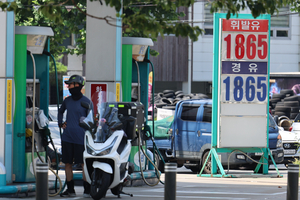
South Korea's consumer prices climbed 2.8 percent year-on-year in July, dipping below the 3 percent threshold for the first time in three months, according to data released Tuesday by the Ministry of Data and Statistics.
The July figure represents a moderation from the 3.1 percent and 3.2 percent year-on-year increases recorded in May and June, respectively. The deceleration comes as oil prices show early signs of stabilizing, although they remain significantly elevated compared to 2025 levels.
Petroleum product prices rose 15.5 percent year-on-year in July, a notable slowdown from the 24.7 percent jump recorded in June. Oil prices contributed 0.6 percentage point to overall consumer price growth in July, down from 0.93 percentage point in the previous month. Diesel prices climbed 21.5 percent and gasoline prices advanced 12.6 percent year-on-year. South Korea's reliance on imported energy makes petroleum costs a particularly significant driver of its consumer price trajectory.
Prices for overall industrial products increased 3.7 percent from a year earlier. Agricultural, livestock, and fishery products rose 0.9 percent, driven primarily by higher beef and rice prices. Service prices gained 2.6 percent year-on-year, largely propelled by rising insurance costs.
Core inflation, which strips out volatile food and energy costs, advanced 2.6 percent compared with July of the previous year — marking its sharpest increase since the 2.8 percent growth posted in December 2023. With both headline and core inflation sitting above the Bank of Korea's 2 percent medium-term target, underlying price pressures remain a consideration for policymakers even as energy-driven headline gains cool.
South Korea's inflation trend is closely watched as an indicator of broader economic conditions in Asia's fourth-largest economy. The Bank of Korea has been monitoring price pressures alongside growth considerations in setting monetary policy.
(Yonhap)
Source: Korea Herald Business

