Sky and ITV Defend £1.6bn Merger as CMA Opens Regulatory Review
Key Takeaways
- •The CMA has invited public comments on Sky's planned acquisition of ITV's Media and Entertainment division until 6 August, marking the opening step before a formal Phase 1 investigation is launched.
- •Sky and ITV intend to argue the combined entity represents approximately 20 per cent of total UK advertising spending when all media platforms are considered, compared with roughly 70 per cent under a television-only market definition.
- •Analysts at Enders Analysis described a broadcaster-only market definition as outdated given the ongoing migration of advertising budgets toward online platforms such as YouTube, Netflix, Amazon, and Meta.
- •The £1.6bn transaction would leave ITV Studios as a separately listed production company backed by a long-term content supply agreement, with completion expected in the second half of 2027 pending regulatory approval.
- •The merger also faces potential public interest scrutiny from Ofcom and the DCMS Secretary of State, who holds powers to issue a Public Interest Intervention Notice on media plurality grounds.
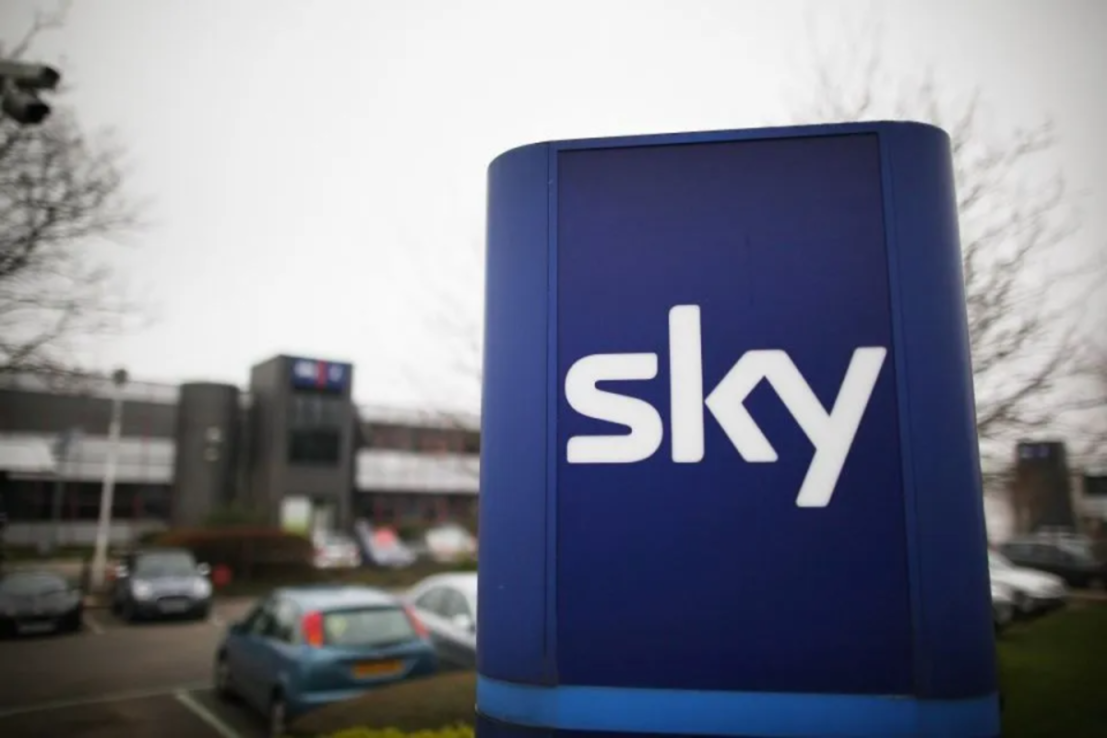
Sky and ITV are preparing to argue that their proposed £1.6bn merger would control only around a fifth of Britain's total advertising market, as they seek to persuade competition regulators to green-light one of the largest media transactions in decades, City AM understands.
The Competition and Markets Authority (CMA) on Wednesday invited public comments on Sky's planned acquisition of ITV's Media and Entertainment division — the opening step of its review before a formal Phase 1 investigation is launched. The CMA's case page is available here.
According to people familiar with the companies' position, Sky and ITV intend to argue that the deal should be evaluated against the broader modern advertising landscape rather than television advertising alone. City AM understands that when broadcast television, streaming services, social media and digital platforms are all included, Sky and ITV combined represent approximately 20 per cent of total UK advertising spending.
That figure stands in sharp contrast to a traditional television advertising market definition, under which the combined entity would represent roughly 70 per cent of sales — a disparity likely to become one of the central battlegrounds in the CMA's assessment.
An ITV spokesperson said: "We welcome the CMA's decision to open its public case page. This invitation to comment is the first part of the CMA's information gathering process and the start of the regulatory review for the sale of ITV's M&E division."
"Together with Sky we are working closely with the CMA, Ofcom and DCMS to support their respective processes and we are confident that regulators will recognise the fundamental changes that have taken place in our markets as they examine the proposed transaction."
Sky did not immediately respond to a request for comment.
Advertising Market Definition at the Centre of Scrutiny
The CMA said it was seeking views on whether the acquisition could reduce competition prior to formally launching its investigation.
"The TV industry contributes billions to our economy so it's important we assess the impact of this deal on competition," a CMA spokesperson said. "Strong competition helps make sure businesses can buy advertising on fair terms and viewers can continue to enjoy a wide choice of high-quality TV programmes."
The watchdog is accepting submissions until 6 August, having received the information required to begin pre-notification discussions with the companies. Media mergers of this scale in the UK also attract separate public interest scrutiny: Ofcom advises on whether a transaction may operate against the public interest, particularly on media plurality grounds, and the Secretary of State at DCMS holds powers to issue a Public Interest Intervention Notice that could trigger an additional review track alongside the CMA's competition assessment.
The regulatory review is widely expected to hinge on how the advertising market is defined.
Analysts at Enders Analysis said the key competition question is whether regulators continue treating television advertising as a standalone market or instead reflect the growing competitive pressure from YouTube, Netflix, Amazon, Meta and other digital platforms. They argued that a broadcaster-only market definition is now "anachronistic" given the ongoing migration of advertising budgets toward online platforms.
Giao Pacey, partner at Simkins, described the transaction as "one of the most significant developments in the UK media sector for many years."
"The deal feels less like opportunistic consolidation and more like an acknowledgement of market reality," she said. "The key question now is whether regulators are prepared to accept that creating a stronger UK media champion can be achieved without compromising competition, consumer choice or media plurality."
Sky, which is owned by US media and telecommunications group Comcast, agreed earlier this month to acquire ITV's broadcast and streaming business for up to £1.6bn. City AM previously reported on the deal. The transaction would leave ITV Studios as a separately listed production company, backed by a long-term content supply agreement — a structural separation ITV has explored as it seeks to highlight the standalone value of its global production arm. Completion is expected in the second half of 2027, subject to regulatory approval.

