Should Men Wear Shorts to the Office? A Case Against
Key Takeaways
- •A YouGov poll found that UK acceptance of shorts as office attire rose from 37 per cent in 2016 to 68 per cent this year, reflecting broader post-pandemic trends toward relaxed dress codes.
- •Bloomberg polling showed that only 45 per cent of US business clients consider shorts appropriate for the workplace.
- •Ford warns that permitting shorts could lead to problematic footwear choices such as flip-flops and sandals, with 69 per cent of Brits considering sandals acceptable office wear.
- •Japan's recent relaxation of workplace dress rules as part of its 'Cool Biz' campaign sparked debate over shorts etiquette and what has been termed 'leg hair harassment.'
- •Ford argues that wearing shorts to work signals left-leaning political views and is unlikely to help anyone secure a raise or promotion.
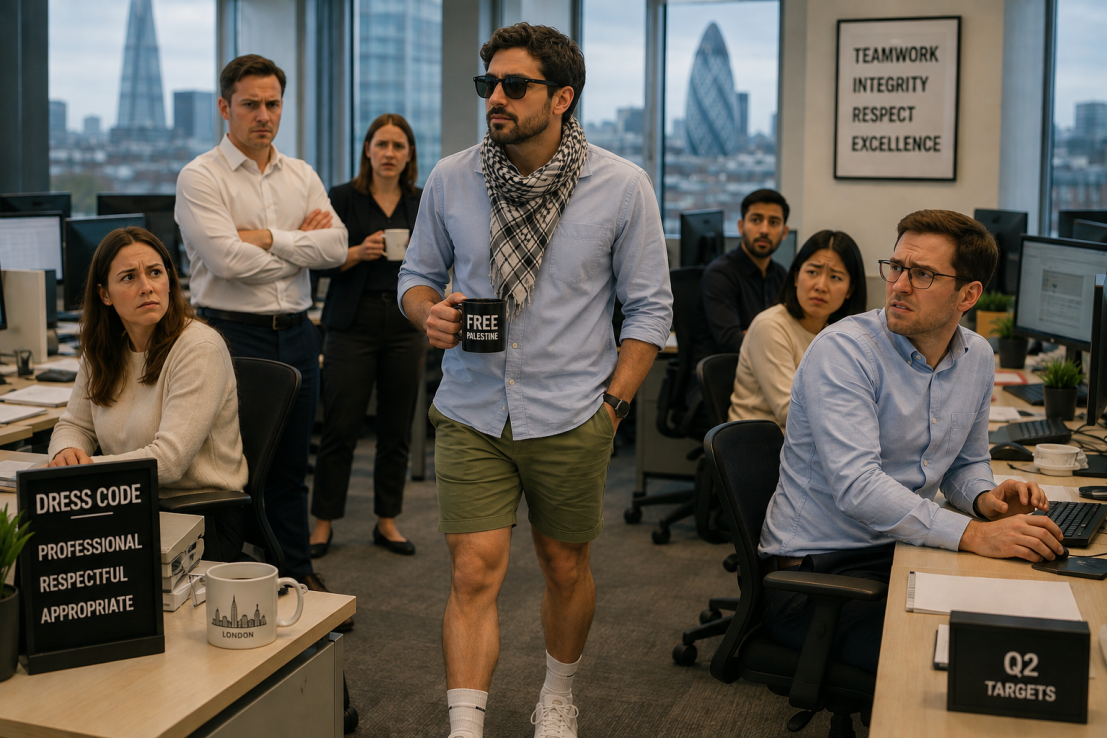
During a long, hot summer in London, an age-old debate has resurfaced: should men wear shorts to the office? The question has taken on fresh urgency as post-pandemic shifts toward casual dress have accelerated across industries, leaving many employers without clear warm-weather policies. James Ford, a former advisor to Boris Johnson, argues that the answer is an unequivocal no — not even during a heatwave.
Ford acknowledges the temptation to keep his column brief, but offers several arguments for why shorts in the workplace are, in his view, both unacceptable and unforgivable.
The Professionalism Argument
Shorts are highly informal, bordering on controversial. Bloomberg recently polled US business clients and found that only 45 per cent considered shorts appropriate for the workplace, with critics describing the look as "unprofessional."
UK opinion has shifted notably, however. A YouGov poll in 2016 found that just 37 per cent of workers thought shorts were acceptable office attire. When the same question was asked this year, that figure rose to 68 per cent — a shift that mirrors broader post-pandemic trends in which employers have relaxed dress codes to accommodate hybrid working and attract talent. Still, nearly a third of the workforce remains opposed — a significant proportion of both staff and clients who disapprove.
The Aesthetic Argument
Ford contends that shorts introduce an array of aesthetic problems: knobbly knees, wobbly thighs, and hairy legs on display throughout the office. He notes that Japan recently relaxed its workplace dress rules, reportedly sparking a heated debate over shorts etiquette and what has been termed "leg hair harassment." Japan's shift is part of its broader "Cool Biz" campaign, a government initiative launched in 2005 to reduce air-conditioning use by encouraging lighter workplace clothing during summer months. Even in an office where colleagues resemble beachwear models, he argues, that introduces its own HR complications and lost productivity from distraction.
Shorts also present footwear challenges. Permitting shorts, Ford warns, opens the door to flip-flops, yacht shoes, sockless loafers, and worst of all, sandals worn with socks. He cites polling showing that 69 per cent of Brits consider sandals acceptable office wear — slightly more than those who endorse shorts. An office resembling "the front row of Lib Dem conference" in Birkenstocks would, in his view, be irreparably damaging to a business's reputation.
Ford's Law: Shorts Are Left-Wing
Ford introduces what he calls "Ford's Law": any rational person should do the opposite of whatever The Guardian recommends. He notes that The Guardian published an article last year titled "Yes, you can wear shorts to the office," arguing that since the publication has no dress code, neither should anyone else. Ford dismisses this reasoning, pointing to another Guardian article in which a reader asked whether her boyfriend should double-knot his shoelaces — a piece that reportedly ran over 1,200 words and generated 768 comments.
Ford concludes that wearing shorts to work signals left-leaning politics as clearly as wearing a keffiyeh, carrying a Palestinian flag, or quoting Marx, and is unlikely to help anyone secure a raise or promotion.
Final Word
While Ford concedes that context matters — financial services firms are unlikely to embrace shorts, while creative industries may be more accommodating — he ultimately sees no reason to take the risk. The financial sector has traditionally maintained some of the strictest dress codes in the UK, and firms in the City of London have generally resisted the casualisation seen elsewhere, even as the Bank of England relaxed its own internal guidance in recent years. Shorts, he argues, look sloppy and unprofessional, and that is not a good look for any business.
"Keep your knobbly knees covered," he writes. "You have been warned."
James Ford was an advisor to former Mayor of London Boris Johnson.
