Trump Administration Authorized Warrantless Phone Tracking of James Comey Despite Legal Concerns, Court Records Reveal
Key Takeaways
- •The U.S. Secret Service conducted warrantless tracking of former FBI Director James Comey's phone despite written objections from a supervisor who deemed the action "legally questionable."
- •The tracking directive was authorized in May 2025 by then-Acting Associate Attorney General Chad Mizelle, identified in court filings as the third-ranking official at the Department of Justice.
- •The investigation was triggered by a social media post in which Comey shared a photo of seashells arranged to display "8647," which Trump allies interpreted as a threat against the president.
- •Agents electronically tracked Comey's phone and physically followed him and his wife as they traveled from North Carolina to Virginia, including a stop at their deceased son's grave.
- •Comey was indicted on two felony counts related to the post, and his legal team has filed motions seeking dismissal of the charges in the Eastern District of North Carolina.
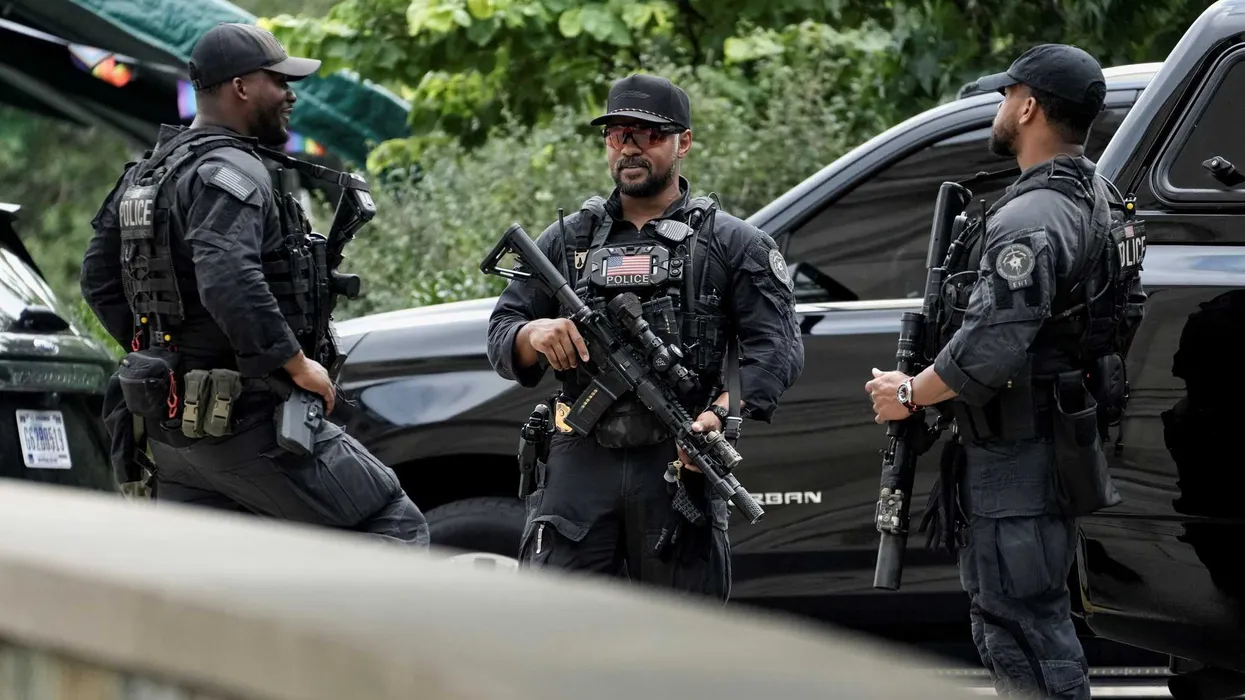
Former Trump administration official Miles Taylor disclosed on Monday that the U.S. Secret Service proceeded with warrantless tracking of former FBI Director James Comey's phone despite internal warnings that the action was "legally questionable," according to newly public court records.
Comey, who led the FBI from 2013 until President Trump fired him in May 2017, has been a public critic of the president since his dismissal.
Taylor, who served in the Department of Homeland Security during the Trump administration, detailed the findings in an analysis published on his Substack.
The directive originated from an individual identified in court filings as "the #3 guy at DOJ." At the relevant time, that position was held by then-Acting Associate Attorney General Chad Mizelle, whom the Justice Department describes as the "third-ranking official" at the agency. The Federalist Society biography confirms Mizelle's role.
The directive, authorized in May 2025, ordered the tracking of Comey's phone. The trigger was a May 15, 2025 social media post in which Comey shared a photograph of seashells arranged to display the number "8647" — combining "86," widely understood slang for eliminating or getting rid of something, with "47," referencing Trump as the 47th president. Trump allies interpreted the post as a threat against the president, prompting an immediate investigation by senior law enforcement officials.
Federal law permits telecom carriers to disclose customer records without a court order only in emergencies involving imminent danger of death or serious physical injury.
"The Secret Service's own supervisor put his objection in writing. Pinging the phone 'could be done,' he warned, 'but it would be a bad idea,'" Taylor wrote, citing the newly released court records.
"Warrantless emergency tracking requires an imminent threat to life, and 'we did not believe that anyone's life was in immediate danger.' It was, in his words, 'legally questionable.' His boss agreed, according to the emails, 'but said we might do it anyway.' And they did."
Despite the expressed reservations, a Secret Service agent contacted Verizon the following day to request data for tracking Comey's phone. The agent certified the request as "true and correct" that it involved "an emergency involving danger of death or serious physical injury."
"There was no emergency, and everyone involved seemingly knew it," Taylor wrote.
According to additional court documents, agents electronically tracked Comey and physically followed him and his wife as they drove from North Carolina to Virginia, including during a stop at the grave of their deceased son.
Comey was subsequently indicted on two felony counts related to the Instagram post. His legal team has filed motions seeking outright dismissal of the charges, as previously reported. The case is pending in federal court in the Eastern District of North Carolina, where the court filings were entered.
Taylor warned that the actions established a dangerous precedent beyond the Comey case.
"The precedent is not really about Comey. It's about each of our constitutional rights, the phones in our pockets, and about what we are allowed to say before the government reaches for those devices," Taylor wrote. "The new details from last week show that the president has given himself the ability to name an enemy, point to that enemy's free speech, and then wiretap him over it without the approval of any judge. That's at least three constitutional violations."

