Sean Duffy's Million-Dollar Reality Show Stalled Amid Ethics Scrutiny
Key Takeaways
- •Boeing and Toyota each donated one million dollars to sponsor Secretary Duffy's reality series, with additional contributions from Shell, Royal Caribbean, United Airlines, and Comcast — all companies subject to DOT regulatory oversight.
- •The five-part YouTube series was originally scheduled to premiere in June alongside Fourth of July festivities but has not released any episodes as summer progresses past the halfway mark.
- •Senator Patty Murray formally requested that the DOT inspector general investigate the sponsorship arrangement, while CREW filed a separate complaint alleging Duffy accepted improper travel benefits from regulated entities.
- •The Transportation Department stated that no taxpayer funds supported the Duffy family's participation and characterized the road trip as part of the secretary's official duties.
- •At least one travel company declined to participate in the project due to ethics concerns, according to reports.
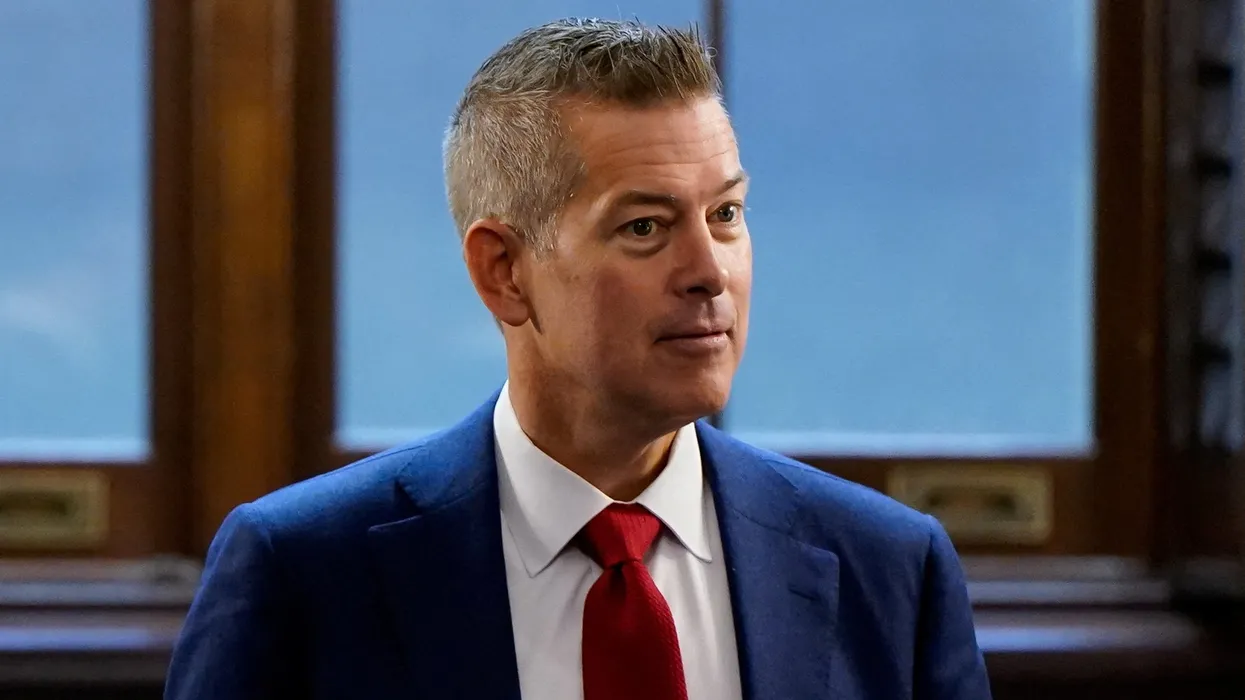
Three months after it was unveiled with fanfare in the Oval Office, Transportation Secretary Sean Duffy's reality TV road trip series has yet to release a single episode — despite millions of dollars in donations from companies operating under the regulatory authority of his own department.
Duffy, along with his wife, Fox News host Rachel Campos-Duffy, and their nine children, reportedly filmed "The Great American Road Trip" over the course of seven months. The project was pitched as a celebration of America's 250th birthday and a wholesome family-oriented alternative to modern entertainment, as The Bulwark's Will Sommer reported.
"To love America is to see America," Duffy said during a promotional appearance alongside President Trump, describing the motto of the series.
The five-part show was originally slated to premiere on YouTube in June, timed to coincide with Fourth of July festivities and the president's separate Freedom250 celebration. However, with summer now more than half over, no episodes have been released. The nonprofit overseeing the project — headed by former travel-industry lobbyist Tori Barnes — has repeatedly declined to explain the delay, offering only that the show will arrive "in the coming weeks."
The series' financing has attracted significant scrutiny. According to the Wall Street Journal, Boeing and Toyota each donated $1 million to sponsor the production. Additional sponsors include Shell, Royal Caribbean, United Airlines, and Comcast — all entities with business interests before the Department of Transportation. Each of these companies falls under the purview of DOT sub-agencies: the Federal Aviation Administration certifies Boeing aircraft and oversees airline safety, the National Highway Traffic Safety Administration regulates vehicle manufacturers like Toyota, the Pipeline and Hazardous Materials Safety Administration oversees pipeline operators including energy companies such as Shell, and the Maritime Administration works with cruise lines like Royal Caribbean. One travel company reportedly declined to participate, citing ethics concerns.
Sen. Patty Murray (D-WA) has formally requested that the DOT's inspector general investigate the arrangement. Inspectors general serve as independent internal watchdogs within federal agencies, empowered to audit programs, investigate misconduct allegations, and issue public findings — though their recommendations are not binding on agency leadership. Separately, the watchdog group Citizens for Responsibility and Ethics in Washington (CREW) filed a complaint alleging that Duffy accepted improper travel benefits from sponsors regulated by his agency.
The Transportation Department has maintained that no taxpayer funds were used to support the Duffy family's participation in the project, characterizing the road trip as part of the secretary's official duties.
Duffy, a former Republican congressman from Wisconsin, was confirmed as Transportation Secretary under President Trump. The Department of Transportation oversees federal policy across aviation, maritime, rail, and highway sectors, making its regulatory relationship with corporate sponsors like Boeing, Shell, and Royal Caribbean a central point of ethical concern raised by critics. The episode marks at least the second Trump Cabinet member to draw ethics questions over private-sector-funded activities during this administration, reflecting a broader tension between the president's practice of tapping wealthy business figures for top posts and the federal conflict-of-interest rules designed to separate personal financial interests from official duties.

