Trump Administration Accused of Rushing to Destroy Evidence in Lincoln Memorial Reflecting Pool Vandalism Case
Key Takeaways
- •The Justice Department determined that damage to the Lincoln Memorial Reflecting Pool was caused by defective construction work from a $14 million renovation, not by vandalism as a National Park Service official had testified under oath.
- •Criminal charges against Olympic canoeist David Hearn, who had been accused of vandalizing the pool, were dropped after prosecutors concluded the actual cause was a botched installation.
- •The Cultural Landscape Foundation alleges the renovation was pushed through an atypical streamlined review process directed by White House leadership, bypassing rigorous requirements under the National Historic Preservation Act.
- •U.S. District Judge Carl Nichols denied the foundation's emergency request to inspect and document the pool's current condition before further modifications without providing a reason for the ruling.
An advocacy group suing the Department of the Interior over the Lincoln Memorial Reflecting Pool has warned in a new court filing that the agency is moving to destroy physical evidence just as newly surfaced documents undermine its official vandalism narrative.
The Cultural Landscape Foundation asked a federal judge on Tuesday for emergency permission to inspect and document the pool's current condition before Interior Department crews carry out additional repair work that could eliminate key physical evidence. The foundation, a nonprofit organization dedicated to educating the public about significant American landscapes, has argued that time is of the essence. Such evidence-preservation requests are common in civil litigation where the physical condition of a disputed site is central to the claims, and courts typically weigh the requesting party's need against any burden on the property owner.
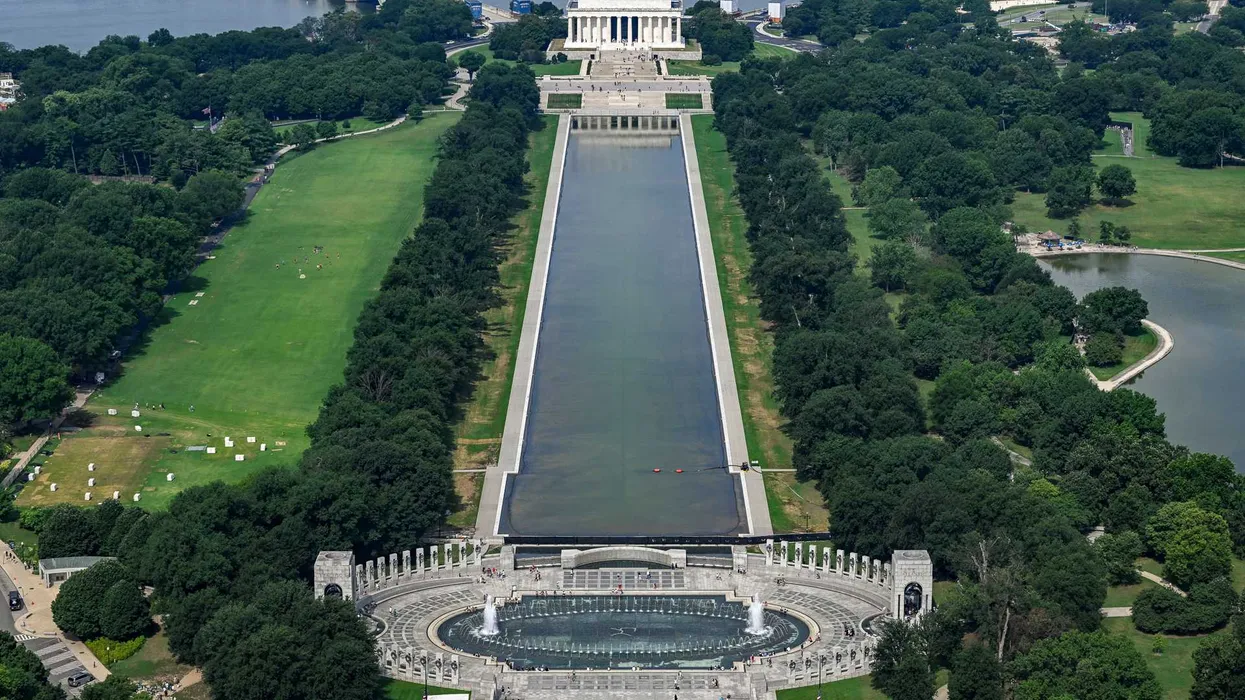
The legal dispute centers on damage to the Reflecting Pool, an iconic landmark on the National Mall managed by the National Park Service, an agency within the Department of the Interior. The pool, stretching between the Lincoln Memorial and the Washington Monument, has served as a backdrop for some of the most significant public gatherings in American history, including the 1963 March on Washington. A National Park Service official had previously testified under oath that the pool's damaged lining bore signs of deliberate sabotage, including caulk that appeared to have been cut with a sharp blade.
However, a separate Justice Department filing in a related criminal case paints a starkly different picture. Prosecutors dropped charges against David Hearn, an Olympic canoeist who had been accused of vandalizing the pool, after reviewing evidence indicating that the actual cause was defective construction work linked to President Donald Trump's $14 million renovation of the site.
"Damage was the result of a botched installation and not vandalism as initially represented," the DOJ filing stated.
Attorneys for the Cultural Landscape Foundation argue that this contradiction alone warrants immediate access to document the pool's condition, noting that the Interior Department has already indicated plans for further work that could permanently erase the physical discrepancies. The full docket for the case, Cultural Landscape Foundation v. U.S. Department of the Interior, is available through CourtListener, and the foundation's recent filing can be accessed here.
The foundation's legal team also flagged internal agency records showing that the renovation project was pushed through a "streamlined review" process that was atypical for a site of this significance, allegedly at the direction of "White House leadership." The National Mall's historic landmarks are ordinarily subject to rigorous review under federal preservation law, including Section 106 of the National Historic Preservation Act, which requires agencies to assess the impact of construction on properties listed or eligible for listing on the National Register of Historic Places. Previous reporting and court proceedings have examined the unusual pace and oversight of the project.
Plaintiffs' attorneys contend that the Interior Department cannot credibly argue it would suffer harm from a brief site inspection, particularly given how extensively the agency has relied on claims about the pool's condition in its own court filings.
As of press time, U.S. District Judge Carl Nichols, an appointee of President Donald Trump, ruled against the Cultural Landscape Foundation's request without providing a reason for the decision. The ruling leaves the foundation without a mechanism to independently document the pool's condition before further modifications occur.

