FBI Director Kash Patel Pushes Out Legal Advisers Amid Bureau Reorganization
Key Takeaways
- •FBI Director Kash Patel is directing the Office of the General Counsel to encourage attorney early retirements, with terminations also reportedly under consideration.
- •The general counsel's office reviews the bureau's most legally sensitive operations, including FISA surveillance applications, civil liberties compliance, and high-profile investigations.
- •General Counsel Samuel Ramer, a Trump administration holdover, recently demoted his deputy responsible for overseeing litigation without any public explanation.
- •The Heritage Foundation's Project 2025 blueprint had recommended eliminating the office entirely and transferring its legal review responsibilities to Justice Department attorneys.
- •Patel faces multiple controversies including allegations of excessive alcohol consumption and personal use of government aircraft, which he has denied through lawsuits against several media outlets.
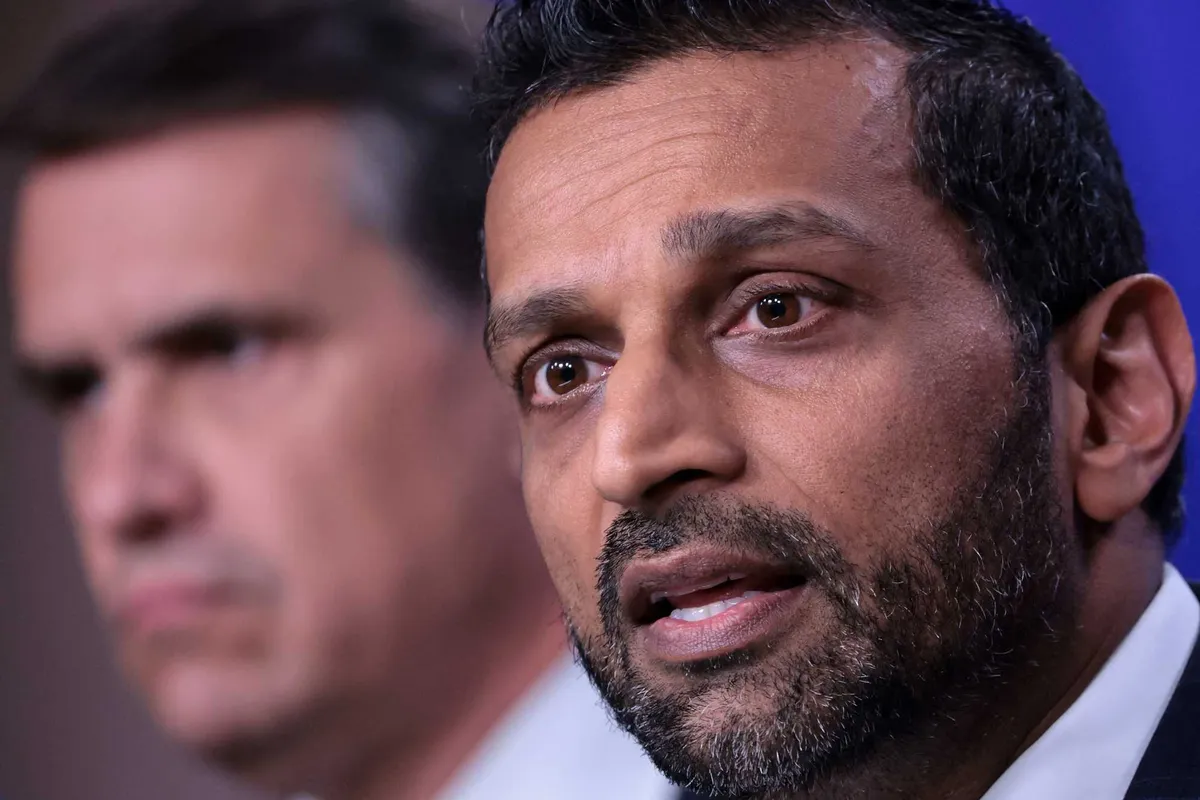
FBI Director Kash Patel is moving aggressively to downsize the bureau's in-house legal department at a time when multiple scandals involving him continue to mount.
The FBI's Office of the General Counsel — comprising several hundred attorneys who advise senior leadership, defend the bureau in litigation, and coordinate with Justice Department prosecutors — has begun steering employees toward early retirement under Patel's direction, according to Bloomberg Law. Terminations remain reportedly under consideration. Patel had previously instructed the office to dismiss a specific attorney in what appeared to be a punitive signal, though that order was never executed.
The office plays a central role in reviewing the bureau's most legally sensitive operations, including national security surveillance applications under the Foreign Intelligence Surveillance Act, compliance with civil liberties protections, and the legal vetting of high-profile investigations. Reducing its internal legal bench would mark a structural shift for an agency whose independent counsel has long functioned as a first-line check on executive action within the bureau before matters reach the Justice Department.
The general counsel's office had largely been spared the upheaval experienced across other parts of the bureau during President Donald Trump's second term. That relative stability persisted despite a recommendation in the Heritage Foundation's Project 2025 policy blueprint calling for the office's outright elimination. Under that proposal, legal review responsibilities would shift entirely to Department of Justice attorneys — a structure Project 2025 advocates argued would provide an essential check on an agency they characterized as "pushing past legal boundary after legal boundary."
General Counsel Samuel Ramer, a holdover from the Trump administration who has attempted to balance Patel's demands with protecting his staff, recently demoted his own deputy responsible for overseeing litigation. The reasons for the demotion have not been publicly disclosed.
FBI spokesman Ben Williamson rejected any suggestion of friction between the director and the general counsel. When asked whether Patel and Ramer's working relationship had deteriorated, Williamson said: "It is totally false."
Before his appointment as FBI director, Patel served as a national security adviser to House Republicans. He has since faced a cascade of controversies regarding his conduct in office, including allegations of excessive alcohol consumption and the personal use of government aircraft. Patel has categorically denied any misconduct and has filed lawsuits against several media outlets and commentators who published reports on these allegations.
