Nigeria's 5G Coverage Gap: Millions of Capable Devices Remain Unconnected, Even in Top Cities
Key Takeaways
- •Only 4.49% of Nigeria's 157.4 million internet users are connected to a 5G network as of May 2026, while the vast majority rely on older 2G, 3G, and 4G technologies.
- •Lagos, Abuja, and Port Harcourt are the only Nigerian cities with access to quality 5G services, where network signals are 30% to 40% stronger than elsewhere in the country.
- •Even in these three top-performing cities, approximately half of all 5G-capable devices fall back to 4G or legacy connections due to network density limitations.
- •Only MTN Nigeria and Airtel Nigeria currently operate 5G networks, while the third licensed operator, Mafab Communications, remains inactive with no clear deployment timeline.
- •The NCC-Ookla report recommends gradually retiring 2G and 3G networks, intensifying infrastructure investments, and encouraging network sharing among operators to reduce both urban and rural coverage gaps.
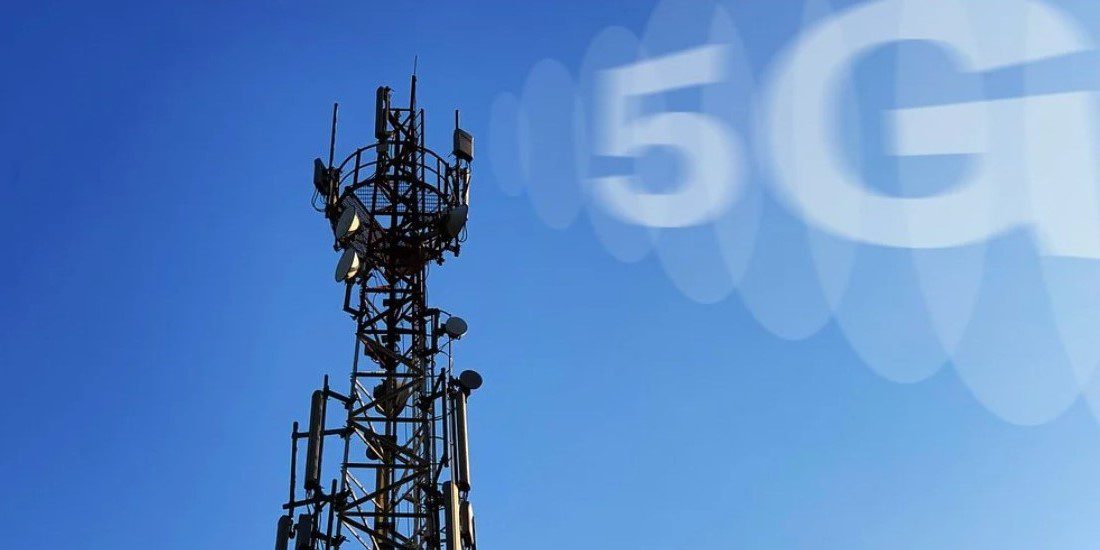
As global conversations shift toward the evolution of 6G, Nigeria's 5G network and nationwide coverage remain significantly below expected performance levels, with demand for high-speed internet far outstripping supply and leaving substantial connectivity gaps.
The latest Quality of Experience (QoE) joint report by the Nigerian Communications Commission (NCC) and Ookla, covering the second quarter of 2026, documents persistent struggles with 5G connectivity across the country. Ookla, widely known for its Speedtest platform, brings global benchmarking expertise to the analysis. The data tracked real-world mobile network experiences in Nigeria between June 2025 and May 2026.
At the core of the findings is a central concern: millions of 5G-enabled smartphones remain unconnected to an available 5G network. In many cases, capable devices fall back to 3G or 4G networks when accessing a higher-generation network proves impossible in uncovered areas.
The findings carry significance on two fronts.
First, demand for a quality internet experience continues to rise, driven by modern smartphone interfaces, high-definition images and videos, large files requiring fast upload and download speeds, and increasing time spent online. Yet the 5G network remains underperforming at a time when Nigeria is experiencing what may be the largest advancement in its telecoms history. Industry data underscores this growth: Nigerian internet users consumed 1.5 million terabytes of data in May 2026 — the highest monthly figure recorded to date.
Second, smartphone adoption continues to grow despite affordability challenges. The rise of mobile and digital banking, online skills acquisition, and broader efforts toward digital inclusivity mean more Nigerians now own smartphones. The adoption of 5G-enabled devices, supported by newer phone models, is also increasing.
As of May 2026, 157.4 million Nigerians were connected to the internet, meaning 83% of phone users have internet access. However, only 4.49% are connected to a 5G network, with the remainder distributed across 2G, 3G, and 4G — a distribution consistent with the year-long NCC-Ookla analysis and industry data.
While network access shapes users' digital experience, millions of Nigerians remain underserved, contending with throttling and delays when making fund transfers or streaming content on platforms such as Netflix and YouTube.
Nigeria's challenge with fifth-generation networks extends beyond nationwide coverage to include uneven concentration within its top three cities. The gap is not solely rural-urban; some urban areas also experience only basic connectivity.
Lagos, Abuja, and Port Harcourt were identified as the Nigerian cities with access to quality 5G services. According to the report, the network signal in these cities is 30% to 40% stronger than in other areas. Given that some urban centres still lack reliable high-speed internet, the situation in rural settlements remains even more precarious.
Even within the top three cities, the picture is incomplete. Approximately half of all devices qualified for high-speed networks remain unconnected, underscoring a significant gap in reliable internet access at a critical juncture.
"In major urban centres, more than half of the time a 5G-ready phone is active, it falls back to 4G or legacy connections due to network density limitations," the report states.
Active 5G usage among capable devices is approximately 46.0% in Lagos, while Abuja has just surpassed the halfway mark at 53.1%.
Nigeria's concentration of quality internet access in just 3 of its 37 states (plus the Federal Capital Territory) illustrates the difficulty of extending 5G coverage nationwide. Currently, only MTN Nigeria and Airtel Nigeria operate 5G networks. Mafab Communications, the third entity licensed to deploy the high-speed network, remains inactive, with no clear timeline for its return.
At a time when network outages and slow internet experiences feature prominently among Nigerian users' complaints, 5G is expected to serve as a transformative force. However, availability gaps stemming from network density limitations and infrastructure shortfalls continue to impede progress.
A frequently cited solution is freeing up network spectrum for 5G operations. The continued reliance of devices on legacy 2G and 3G networks places newer technologies at a competitive disadvantage. According to the report, Nigeria needs to phase out smaller networks in favour of larger ones. However, such a phase-out should be gradual but deliberate. The NCC and other relevant regulators are urged to set a definitive date for retiring 2G and 3G networks.
Infrastructure upgrades also require intensification. While telecom operators have reported constructing new 5G towers and upgrading existing infrastructure, the pace of these investments trails demand. The report notes that increased data revenue should be matched by corresponding investment in high-speed network capacity.
Network sharing is also encouraged as a means of reducing both urban and rural coverage gaps. This involves sharing baseline physical infrastructure such as towers and fibre links among operators.
Nigeria's digital economy and broader technological advancement depend heavily on internet speed and network reliability. As Africa's most populous nation and one of its largest telecom markets, the country's 5G trajectory carries implications well beyond its borders, particularly for fintech innovation, remote work participation, and digital service delivery across West Africa. Meeting the rising demands from various institutions and an expanding user base will require the country's 5G network to reach its intended potential.

