Former Trump DHS Chief of Staff Miles Taylor Warns 'Worst Is Yet to Come' as GOP Resistance Fades
Key Takeaways
- •Miles Taylor, who served as DHS chief of staff in 2019 and was revealed in 2020 as the anonymous author of a 2018 New York Times op-ed, published his latest warnings in The i Paper on Wednesday.
- •Taylor asserts that Senate Republicans privately acknowledge they cannot effectively oppose the president, contradicting media reports that the GOP is regaining its footing.
- •According to an Axios report cited by Taylor, Trump is said to be relatively unconcerned about potential Republican losses in the midterm elections and is preparing to exercise power more aggressively in either outcome.
- •Former Trump administration officials Taylor consulted expect the president to ignore Congress on cabinet appointments, spend unapproved funds, impound appropriated funds, and retaliate against Democratic-led states using federal leverage.
- •Taylor highlights the 1974 Congressional Budget and Impoundment Control Act as a legal framework that would be directly tested if Trump follows through on impounding federally appropriated funds.
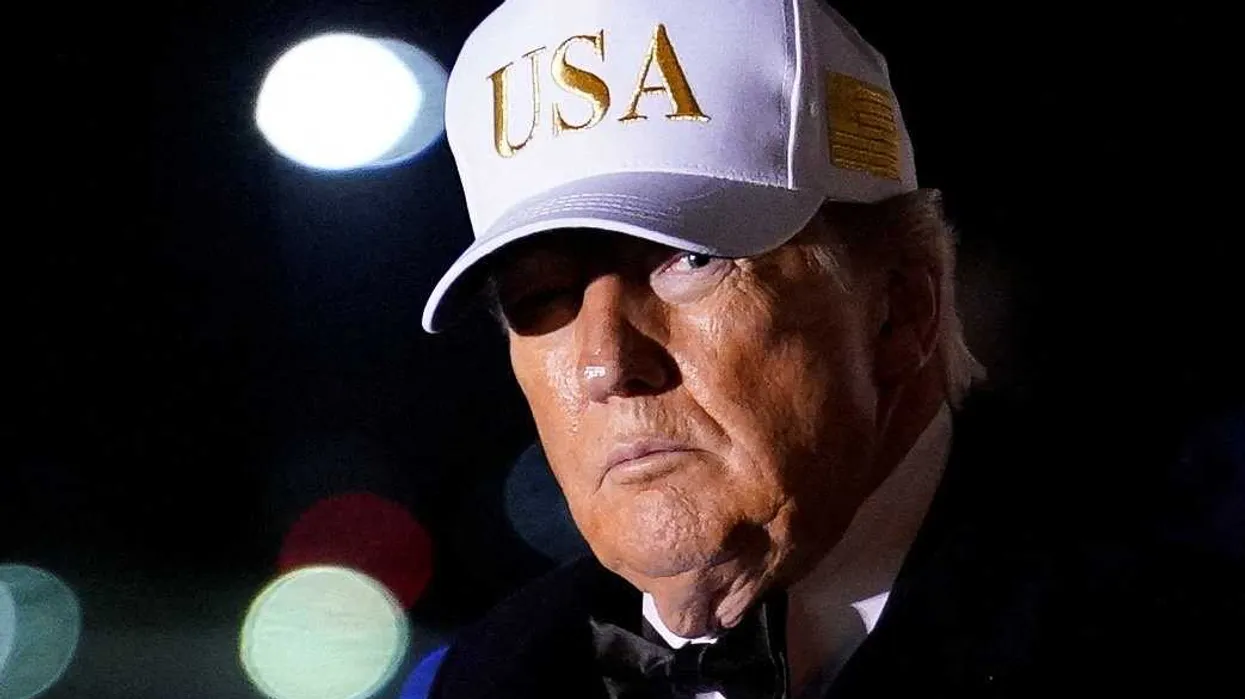
Miles Taylor, a former senior official in the Trump administration's Department of Homeland Security, is warning that the "worst is yet to come" from the MAGA movement, citing conversations with current and former Washington insiders who tell him Republican resistance to President Donald Trump is effectively collapsing.
Taylor, who served as chief of staff at DHS in 2019 and gained national attention in 2018 after publishing an anonymous New York Times op-ed about what he described as abuses within the administration, laid out his concerns in a piece published Wednesday by The i Paper. Taylor later revealed himself as the author, "Anonymous," in October 2020 and endorsed Joe Biden in that year's presidential election. Since leaving government, he has become one of the most visible conservative critics of Trump, frequently appearing in media and writing columns based on his insider experience.
According to Taylor, the prevailing media narrative that Senate Republicans are regaining their footing against the president does not reflect reality behind closed doors.
"The conventional wisdom in Washington this week is that Senate Republicans are finally finding their footing against Donald Donald Trump," Taylor wrote. "They see the U.S. President as a growing electoral liability, the headlines say, and they're starting to undermine his vanity projects. But even the senators themselves don't really believe this. Privately, my former colleagues on Capitol Hill acknowledge that they're no match for this President. What they see, and what they'll admit to off the record, is that the last embers of resistance within the Republican Party are being snuffed out. GOP leaders won't stand up to the man who's got them at political gunpoint, and it's a harbinger of the next phase of Trumpism."
Taylor pointed to a recent Axios report indicating that Trump "doesn't much care if Republicans lose the House and/or the Senate in the midterms this fall." While a Republican victory would be preferable, Taylor wrote, the president is reportedly preparing either way for "an all-out, two-year 'finale' in which he intends to wield power in ways he's heretofore avoided, or only flirted with."
Taylor said former colleagues from the first Trump administration share his alarm, with concerns extending well beyond the midterm elections.
"The people I served with in the first Trump administration see the worst as yet to come," Taylor continued. "What worries them most isn't just the midterms, which Trump will attempt to steal or discredit, but what condition the US Constitution will be in by the 2028 presidential election. Their fears are specific. They expect Trump to ignore Congress wholesale, including bypassing the Senate on cabinet appointments, spending money lawmakers never approved, and impounding money they did. They expect him to ratchet up his punishment of Democratic-led states with the full weight of the federal government (denying disaster aid and gutting programmes for the sin of voting wrong), while showering loyal cronies with pardons, contracts and regulatory favors."
Taylor's reference to impounding funds touches on a constitutionally contested area. The Congressional Budget and Impoundment Control Act of 1974 was enacted after President Richard Nixon attempted to withhold appropriated funds, establishing procedures presidents must follow to defer or cancel spending — a legal framework that would be directly tested by the scenarios Taylor describes. During his first term, Trump's use of emergency powers to redirect funds, including for border barrier construction, already drew sustained legal challenges from Congress and states.
Despite these warnings, Taylor struck a note of optimism about public pushback against the administration.
"Despite the flaccid resistance within the GOP's ranks, you already see a burgeoning defiance spreading across the United States, from ordinary people willing to run federal agents out of states where they don't belong, to news outlets taking the President to court and winning," Taylor concluded. "So while America may be entering the darkest act of this drama, I believe it will be the last one. The hard years to come will blow back on Trump. Defiant Americans will make sure of it."
