Republicans Face 'Doomsday Scenario' as Embattled Rep. Max Miller Refuses to Exit Re-election Bid
Key Takeaways
- •Representative Max Miller faces allegations of physically assaulting his ex-wife and toddler daughter but has publicly refused to withdraw from his re-election campaign.
- •Miller won his 2024 race with just 51 percent of the vote, underperforming President Trump in Ohio, which already raised concerns about the seat's vulnerability.
- •Ohio election rules provide two deadlines for replacing Miller on the ballot: a Wednesday 4 p.m. EST cutoff for a special GOP primary and an August 10 date for county chairs to select a replacement candidate.
- •House Republicans have discussed the possibility of expelling Miller from Congress, a rare action requiring a two-thirds majority vote, if he wins re-election.
- •President Trump has privately warned Miller that his re-election is unlikely but has stopped short of advising him to drop out or formally rescinding his endorsement.
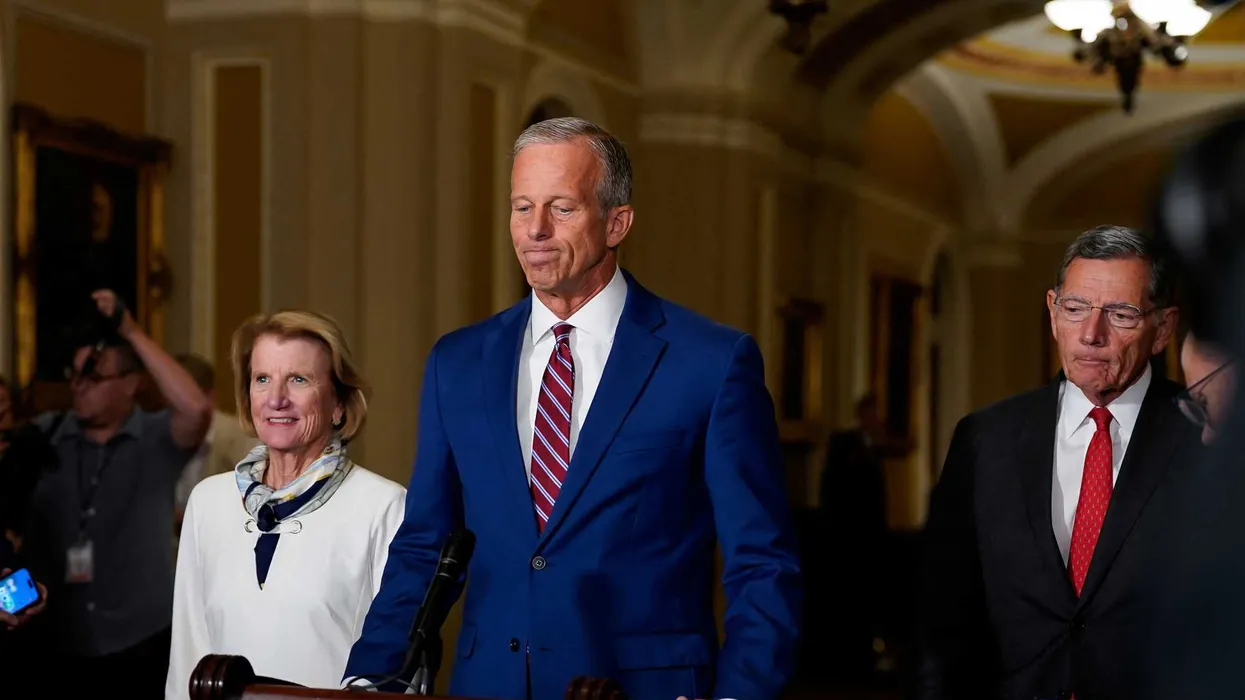
House Republicans have reached a critical impasse that party leaders fear could become a "doomsday scenario" for their midterm prospects. Representative Max Miller (R-OH), a former Trump White House aide and Marine Corps veteran who represents Ohio's 7th Congressional District, faces allegations of domestic abuse and has refused to withdraw from his re-election campaign, raising concerns among his colleagues that his seat may flip to the Democrats.
Fox News Congressional Correspondent Chad Pergram outlined the situation in a detailed post on X, describing it as a "Hitchhiker's Guide" to the escalating crisis.
"House Republican leaders are increasingly anxious about the decision of Rep. Max Miller to double down and not drop out of his re-election bid as he faces allegations of physically assaulting his ex-wife and toddler daughter," Pergram wrote. "Republicans worry that Miller could lose this seat. He won with 51 percent of the vote in 2024, underperforming President Trump in the Buckeye State. Moreover, Ohio has a competitive Senate and gubernatorial race this year. Republicans worry that the undertow could cost Miller his seat. And, in a tight election, the GOP control of the House."
The GOP's current House majority is razor-thin, meaning even a single lost seat could determine control of the chamber — a dynamic that amplifies the stakes of Miller's decision far beyond his own district.
Miller has stated publicly that he will not drop out. However, Ohio election rules still allow the party to call a special GOP primary if he vacates the nomination by the 4 p.m. EST Wednesday deadline. If that window passes, Miller could still withdraw by August 10, at which point county chairs in his district would select a replacement candidate. According to Pergram, "This is the preferred path by Republicans."
If Miller refuses to step aside entirely, the party loses its ability to replace him on the ballot. "Republicans cannot replace him on the ballot after next week," Pergram noted. "That is the doomsday scenario for the GOP."
Miller has referred himself to the House Ethics Committee, but Pergram observed that "those probes usually take months" — time the party does not have with the midterm elections approaching in November. Pergram also reported that Republicans have discussed the possibility of expelling Miller, either in the current Congress or the next, should he win re-election. Expulsion from the House is rare, requiring a two-thirds majority vote, and has occurred only a handful of times in modern history — most recently involving members facing serious criminal or ethical scandals.
"Every seat counts in this hotly contested election year," Pergram explained. "Miller's seat is one the GOP needs to hold to cling to their majority. But Republican leaders are hoping they can do that. But preferably someone without the baggage of Miller."
Meanwhile, congressional Republicans are urging President Donald Trump to rescind his endorsement of Miller. When asked about the abuse allegations, Trump described Miller as "a good person." Although reports surfaced Tuesday evening that Trump privately warned Miller his re-election was unlikely, the president stopped short of advising him to drop out and has not formally withdrawn his support.
