Senator Lummis Frames Updated CLARITY Act as Tool Against Crypto Crime Linked to Lazarus
Key Takeaways
- •Lummis released updated CLARITY Act text through her Senate office, but the measure has not been enacted into law.
- •The revised proposal adds illicit-finance provisions and safeguards for consumers and law enforcement.
- •The bill is part of broader congressional work to define digital-asset classifications, agency oversight, and intermediary obligations.
- •References to Lazarus connect the legislation to national-security and serious illicit-finance risks cited in crypto regulation debates.
- •Potential industry obligations remain uncertain and would depend on whether the bill advances and what final language is adopted.
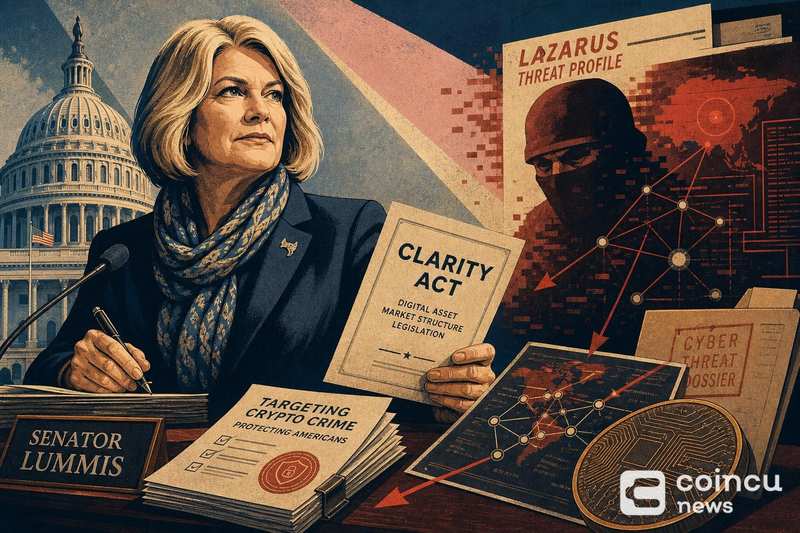
U.S. Senator Cynthia Lummis is advancing an updated version of the CLARITY Act, presenting the crypto market-structure proposal as a way to address digital-asset crime and illicit finance associated with actors such as the Lazarus Group.
The Wyoming Republican released revised text for the bill through her Senate office, according to an official announcement from Lummis’s office. The measure remains a legislative proposal and has not been enacted into law.
The updated version adds provisions focused on illicit finance, according to an accompanying one-page document on the bill’s illicit-finance measures. By linking a market-structure bill to crime prevention, Lummis is placing the debate over digital-asset rules within a broader discussion about law enforcement and national security.
The CLARITY Act is part of continuing U.S. congressional work on crypto market structure, an area that includes questions about how digital assets are categorized, which federal agencies oversee different market activities, and what obligations apply to intermediaries. Lummis has previously been active in digital-asset policy, including through a separate proposal on crypto tax reform. The bill also follows earlier Senate work on crypto market-structure legislation and an earlier draft that added crypto ethics provisions for senior officials.
References to Lazarus raise the stakes in the policy debate by tying the bill to one of the most serious categories of illicit-finance risk, rather than only routine compliance concerns. Lawmakers and regulators frequently cite groups such as Lazarus as examples of the threats that tighter oversight is intended to address.
Reporting on the revised text said Lummis updated the act with new safeguards for consumers and law enforcement, according to CoinDesk. Those additions sharpen the focus on how U.S. lawmakers intend to police digital-asset crime while also defining the federal framework for crypto markets.
For the crypto industry, legislation centered on crime prevention could translate into higher compliance expectations for exchanges, token projects, and supervisory teams. The final statutory requirements remain unsettled, so any practical obligations would depend on whether the proposal advances and what language is ultimately adopted.
Some industry participants have argued that clearer federal rules could strengthen the U.S. crypto framework. Coinbase has said the CLARITY Act would reinforce national-security safeguards, according to prior coverage of the company’s position.
The debate also has implications beyond Washington. U.S. crypto legislation can influence exchange policies and cross-border compliance practices outside the United States, particularly for firms that serve U.S. customers or interact with U.S.-regulated institutions. The current push comes as the Senate continues work on broader crypto market-structure legislation, with lawmakers weighing how enforcement, disclosure, consumer protection, and illicit-finance provisions should apply to digital assets.
Cynthia Lummis is a Republican U.S. Senator from Wyoming and has been active in digital-asset policy. The CLARITY Act is proposed federal legislation addressing crypto market structure. In its revised form, the bill adds provisions focused on illicit finance and safeguards for consumers and law enforcement. Lazarus is mentioned in crypto regulation debates as an example of the serious illicit-finance threats lawmakers say stronger oversight should target.

