Excelerate Energy Acquires LNG Carrier Methane Patricia Camila for Its First FSRU Conversion Project
Key Takeaways
- •Excelerate Energy purchased the 170,000 cu m LNG carrier Methane Patricia Camila for $79 million, marking the company's first conversion of an existing carrier into an FSRU.
- •The converted FSRU is expected to be commercially deployed in early 2028, though the conversion shipyard and serving project remain undisclosed.
- •Excelerate secured a seven-year charter for the FSRU Express at a new LNG import terminal in Colombia, with operations commencing in the first quarter of 2027 under improved economic terms.
- •The recently delivered Excelerate Acadia began a nine-month interim charter at Jordan's Aqaba LNG terminal while the company progresses toward launching Iraq's first LNG import facility under a five-year agreement.
- •Iraq's LNG import terminal project includes a minimum contracted offtake of 250 million standard cubic feet per day, with operations now targeted for early in the second quarter of 2027.
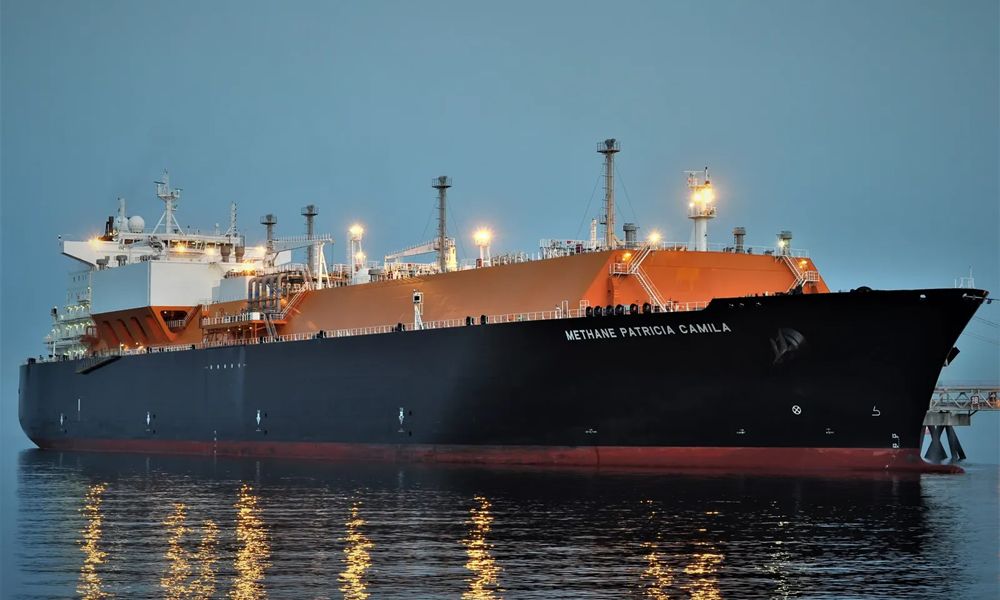
US-listed Excelerate Energy has acquired the 2010-built LNG carrier Methane Patricia Camila, designating the vessel for the company's first conversion into a floating storage and regasification unit (FSRU). The move marks a notable step for a company that has built its fleet primarily on purpose-built and converted FSRUs, as demand for flexible LNG import infrastructure continues to grow among countries seeking faster alternatives to land-based terminals.
Excelerate disclosed the purchase in its second-quarter earnings update without identifying the seller or the transaction price. However, a filing on the Tokyo Stock Exchange by Japan's Meiji Shipping Group indicates that the vessel changed hands for $79m, with delivery scheduled between January and April 2027.
The 170,000 cu m carrier was constructed by Samsung Heavy Industries in South Korea. Excelerate anticipates that the converted FSRU will be ready for commercial deployment in early 2028, though the company has not yet disclosed which shipyard will perform the conversion or which project the unit will serve. Converting an existing LNG carrier into an FSRU typically involves installing regasification machinery and related topside equipment, a process that is generally less expensive and faster than ordering a newbuild FSRU from a shipyard.
The acquisition coincides with Excelerate securing new contracts for its existing fleet. The company has fixed the 2009-built FSRU Express to Sociedad Portuaria Puerto Bahía under a seven-year charter for a new LNG import terminal in Colombia, with several extension options available. The 150,900 cu m vessel is slated to commence operations during the first quarter of 2027, following completion of its current charter and a planned drydock later this year. Excelerate noted that the Colombian contract offers improved economic terms compared to the vessel's present employment.
Separately, the recently delivered Excelerate Acadia began a nine-month charter at Jordan's Aqaba LNG terminal in early July. The interim arrangement provides utilization while the company advances toward the launch of Iraq's first LNG import terminal. That project encompasses LNG supply and regasification under a five-year agreement with a minimum contracted offtake of 250m standard cubic feet per day. Engineering and procurement activities are nearing completion, with operations now targeted for early in the second quarter of 2027. The Iraq and Colombia contracts underscore the broader trend of emerging-market nations turning to FSRU-based import terminals to access global LNG supplies without committing to multi-billion-dollar onshore regasification facilities.
Excelerate's fleet consists of 10 established FSRUs with storage capacities ranging from 138,000 cu m to 173,400 cu m, in addition to the recently delivered Excelerate Acadia.
Source: Splash247
