Capital One Reveals Anti-Money Laundering Concerns Behind Trump Account Closures, Prompting Fresh Scrutiny of His Lawsuits
Key Takeaways
- •Capital One disclosed that it closed roughly 300 Trump Organization accounts after a months-long investigation identified potential money laundering indicators.
- •Trump sued Capital One alleging the bank terminated his accounts for political reasons in 2021 following his involvement in the January 6 riots.
- •Capital One has requested a federal judge in Florida dismiss the lawsuit, arguing the closures were standard anti-money laundering compliance measures.
- •U.S. banks are legally obligated under the Bank Secrecy Act to monitor accounts for suspicious activity and close those that present money laundering risks.
- •Conservative commentator Rick Wilson argued that Trump's lawsuits tend to falter during discovery, characterizing them as performative rather than legally substantive.
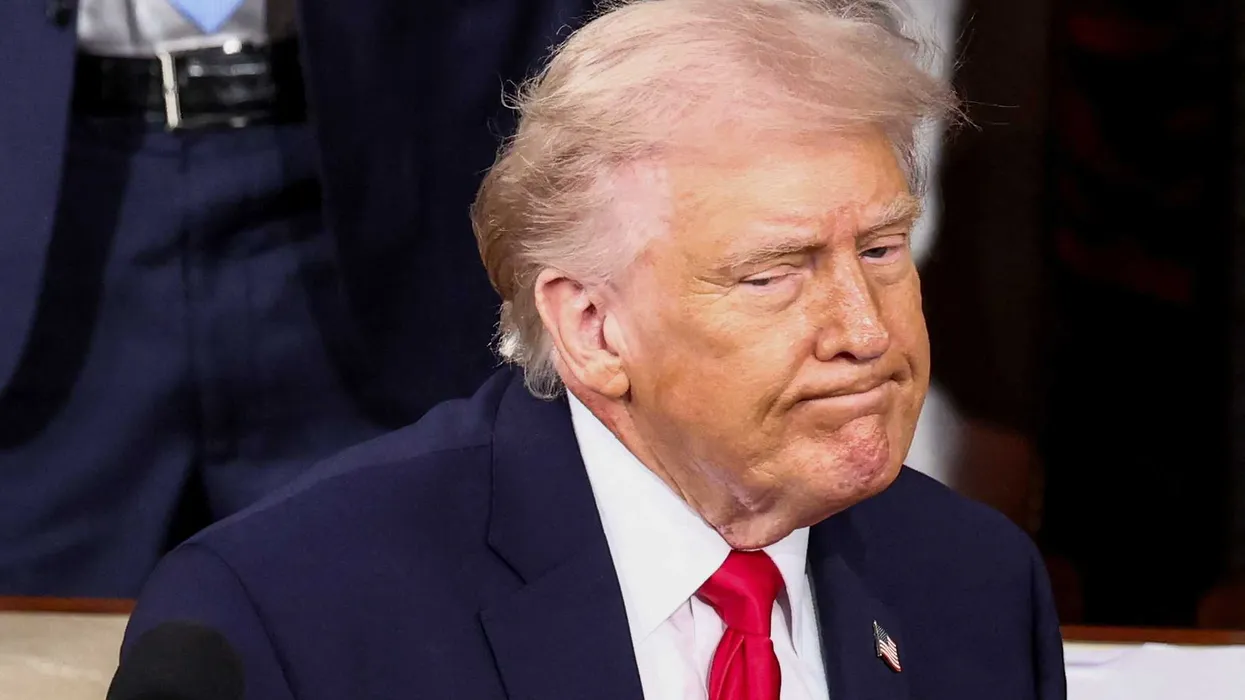
President Donald Trump's lawsuits have a recurring tendency to collapse during the discovery phase — a pattern so consistent that conservative commentator Rick Wilson has proposed it as one of his signature political "rules." The latest revelations from Capital One, disclosed this week, illustrate exactly why.
Wilson, a longstanding conservative critic of Trump, appeared on commentator Molly Jong-Fast's podcast, "Fast Politics," where the two discussed the striking new developments emerging from Trump's lawsuit against Capital One.
Capital One Financial is one of several institutions Trump has sued, accusing them of "debanking" him and his companies for political reasons in 2021, following his involvement in the January 6 riots. The debanking claims have been a recurring theme in Trump's post-presidency legal strategy, with the former president also targeting other financial entities and framing the closures as politically coordinated retaliation rather than standard institutional risk management. This week, however, Capital One revealed that it closed approximately 300 Trump Organization accounts after a months-long investigation into indicators that they were connected to money laundering. The company is now requesting a federal judge in Florida to dismiss the case, arguing that its new disclosures "make clear that Capital One closed Plaintiffs' accounts for anti-money laundering ('AML') reasons."
Banks operating in the United States are legally required under the Bank Secrecy Act and related anti-money laundering regulations to monitor accounts for suspicious activity and to close accounts when risk indicators are identified. Financial institutions that fail to act on AML red flags can face substantial civil and criminal penalties from regulators including the Treasury Department's Financial Crimes Enforcement Network and the Office of the Comptroller of the Currency, making account closures a routine compliance function rather than an inherently political act.
According to NPR, the company stated that the decision to shutter the accounts followed "months of analysis and a careful review." It remains unclear whether the Trump Organization was given notice and an opportunity to address the money laundering concerns. It is also unknown whether any other financial institutions raised similar alarms. The Trump Organization has not responded to media requests for comment.
Discussing the development on "Fast Politics," Wilson said the situation encapsulated "the performative nature of all Trump lawsuits." He proposed adding a "third Wilson rule" to his existing two political maxims: "Everything Trump touches dies" and "Everyone hates Ted Cruz."
"And the third one is no Trump lawsuit survives discovery," Wilson explained. "Because now that the bank is going to say, OK, well, if you want us to show why we think you were money laundering, we will reveal in court why we think you were money laundering. And Trump's people, I promise you, they're going to go... 'nevermind.'"
Wilson continued: "It is like all these cases ... when the rubber hits the road, when the facts matter, when the discovery is going to embarrass the living hell out of them, right? You know, it's why they dropped the charges against the Olympian this week after he allegedly personally destroyed the Reflecting Pool. It's why they just can't hold up on these B.S. defamation cases, like against the BBC and other things. There's just a sense that these lawsuits are like a lottery ticket for him. Maybe sometimes somebody will just collapse and go, okay, we'll give you money."

