Business Rates Cut Offers Limited Relief for UK Pubs Facing Wider Cost Pressures
Key Takeaways
- •Burnham's business rates cut is expected to save each qualifying venue more than £1,000 next year, with the total package costing £100 million.
- •Shares in major UK pub companies fell after the announcement, with Marston's declining over five percent and Young's dropping more than four percent.
- •Analysts estimate the reduction amounts to roughly £25 per week per pub, which they describe as insufficient given rising labor, energy, and input costs.
- •The policy follows earlier controversy under Rachel Reeves, when proposed business rates changes could have increased pub tax bills by up to 224 percent.
- •Pub industry leaders, including Wetherspoon chairman Tim Martin, are pressing Burnham to commit to cutting hospitality VAT from 20 percent to 10 percent.
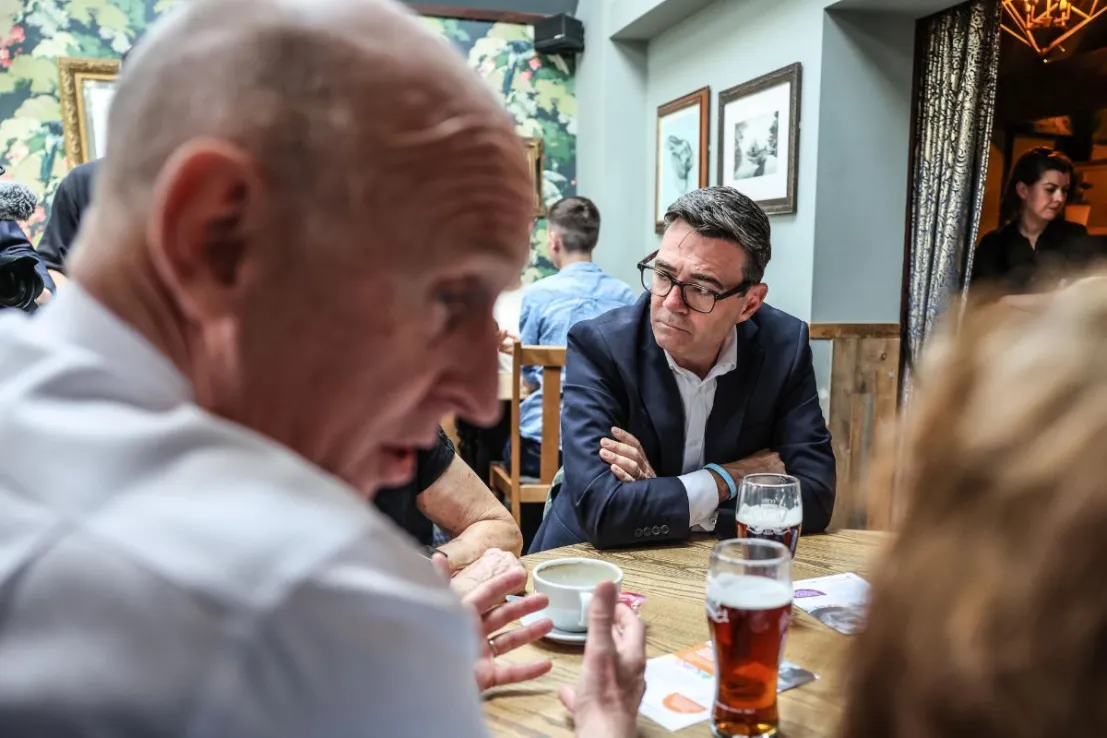
Andy Burnham has set out long-awaited support for the UK’s struggling pubs, promising a business rates cut for pubs, clubs and music venues. But the hospitality industry continues to face pressures that extend well beyond property taxes.
Business rates are a recurring charge on commercial property, making them a visible cost for venues that depend on high-street and town-centre premises. For pub operators, however, the bill sits alongside employment costs, alcohol duty, VAT, energy and food inflation, leaving limited room for a single tax cut to change trading conditions.
Burnham’s pledge is expected to save each venue more than £1,000 next year and carries a £100m price tag. Trade bodies and pub groups welcomed the tax break, but shares in several of the UK’s largest pub companies fell after the announcement.
Marston’s, which operates more than 1,300 pubs across the country, lost more than five per cent of its value on Thursday. Young’s fell more than four per cent. JD Wetherspoon, the UK’s best-known pub chain, and Fuller’s, which runs 185 pubs in the UK, opened three per cent and one per cent lower, respectively.
The muted market reaction underlined the scale of the challenges facing the UK pub sector. Although a £100m tax cut provides some relief, the £1,000-per-pub reduction works out at roughly £25 a week, which Alex Pugh, an analyst at Freetrade, said “hardly moves the needle”.
“Any rate savings will be easily dwarfed by labour costs, higher employer NI contributions, sticky input prices, and energy bills well above historical norms.
“Combined with belt-tightening consumers who are cutting back on discretionary nights out, business rate tweaks alone aren’t enough to re-rate the sector,” Pugh added.
Using the government’s estimates for Wetherspoon’s 793 managed pubs, the chain would save £872,300 in business rates next year. That would still leave it with £41m in business rates, based on the amount it paid last year, alongside £167m in alcohol duty, £411m in VAT and £154m in employment taxes.
Mitchells & Butlers paid £79m in business rates last year. A £1,100 reduction across each of its 1,145 pubs would still have left the company with a bill of more than £77m. Shares in the group fell five per cent on Thursday, although the decline followed flat sales and a warning about “challenging weather conditions”.
Burnham says pubs need to know ‘the cavalry is coming’
Wetherspoon also issued a downbeat update to investors on Wednesday, warning on profit for the fourth time this year. Russ Mould, investment director at AJ Bell, said that, “welcome as the cut in business rates is,” such updates showed the wider difficulties facing the sector.
The tax reduction will not alter pubs’ “long-term competitive position, as they wrestle with the challenge posed by promotional prices at the big supermarkets, or what is still soggy consumer confidence, which could sag further if oil prices stay elevated and they quickly filter through to costs at the petrol pump,” Mould added.
That competitive pressure matters because pubs and supermarkets are taxed and operated differently: pubs sell alcohol as part of a staffed, on-premise service, while supermarkets compete heavily on take-home pricing. Wetherspoon chairman Tim Martin has for years urged the government to rebalance a tax system that he says enables supermarkets to sell alcohol far more cheaply than pubs, undercutting their trade. Martin claims pubs have lost 50 per cent of their trade to grocers over the past 25 years.
Defending the policy, Burnham described the move as a “first step” in his effort to renew local communities. Pubs “need to know that the cavalry is coming,” the Prime Minister said.
Burnham’s move is also an attempt to improve Labour’s standing among pub managers after the problems surrounding Rachel Reeves’ business rates reforms.
Before the Budget, the Treasury presented proposed changes to business rates, moving from a “slab” system to a “slice-based” framework, as “pro-growth”. The changes announced on 26 November were widely seen by the sector in different terms.
At the Budget, Reeves said hospitality businesses and retailers would receive a 5p cut to their business rates bills. But once the calculations were published, pubs and restaurants found that their tax bills could rise by as much as 224 per cent.
Pub operators push for VAT reduction
Some hospitality bosses called the changes “shit” and said they had been “lied to”. Labour MPs were banned from some pubs, while opposition parties seized on the miscommunication by announcing a series of policies aimed at voters. Reeves later announced a £300m package that allowed pubs to receive a 15 per cent discount on the tax.
From the North, the new pint-loving Prime Minister has sought to show that his government, which favours “business-friendly socialism”, takes a different view of pubs and small businesses. Removing Reeves was not, by itself, enough to resolve the issue.
Burnham may still be dealing with the legacy of Reeves’ Treasury. The Prime Minister reappointed Dan Tomlinson, a respected former think tanker, as tax minister. Tomlinson was the minister who oversaw the initial changes to business rates.
Burnham’s latest pubs policy, circulated weeks before he entered Number 10, is already facing criticism. Helen Miller of the Institute for Fiscal Studies, a leading analyst of fiscal policymaking from both the Left and the Right, said the latest changes were “not a welcome development”.
Miller said that because business rates fall on landowners rather than business owners, pub operators may not benefit from lower costs if rents are increased to offset the reduction.
Pub landlords are already pressing for further action. After the business rates pledge, Martin increased pressure on Burnham to commit to cutting VAT for hospitality businesses from 20 per cent to 10 per cent.
A VAT cut would address a different part of the cost base from business rates, applying to sales rather than property. That is why pub operators are likely to keep pushing the issue even after the rates pledge, particularly while margins remain exposed to wages, tax and energy bills.
Burnham has previously indicated support for a VAT cut, telling a nighttime industries conference earlier this year that he “would argue” for the measure — remarks that the UK’s pub owners are unlikely to forget.

