Legal Experts Question Binding Nature of Blanche's Confirmation Deal with Senate Republicans
Key Takeaways
- •Senators John Cornyn and Thom Tillis agreed to support Todd Blanche's confirmation after he signed a document declaring the DOJ's $1.776 billion anti-weaponization fund terminated.
- •Legal analysts note that written commitments made during Senate confirmation processes have traditionally served as political assurances rather than legally enforceable obligations.
- •The anti-weaponization fund was created through a settlement between the DOJ and IRS in a case involving the leak of Trump's tax returns, with both agencies under the president's oversight.
- •CNN legal analyst Elliot Williams warned that the arrangement creates judicial complications because Trump effectively controls both sides of the underlying litigation.
- •The confirmation battle underscores broader tensions over the longstanding norm of DOJ independence from White House political influence, which Trump has signaled he intends to test.
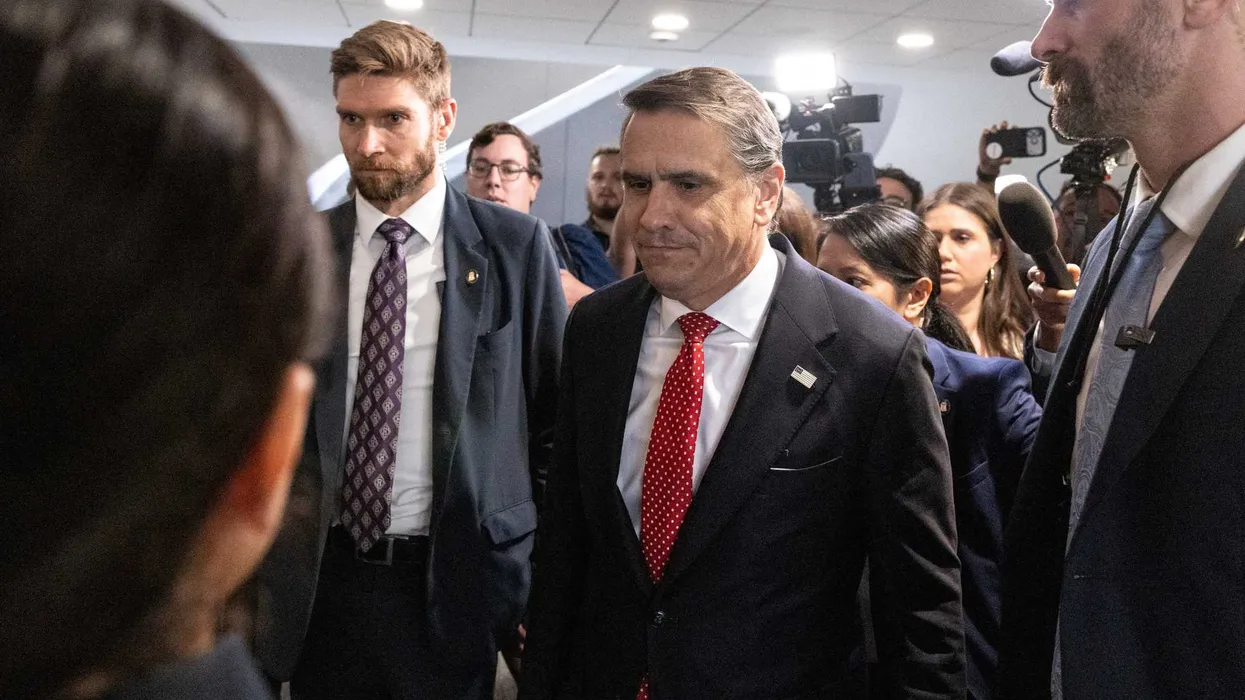
A deal that Acting Attorney General Todd Blanche appears to have brokered with Senate Republican holdouts during his confirmation battle may carry unforeseen complications, according to legal and political analysts. Blanche previously served as Trump's personal criminal defense attorney before being tapped to lead the Justice Department, a background that has drawn scrutiny given the president's stated desire for an attorney general who will act on his directives.
On Monday, reports emerged that Senators John Cornyn (R-TX) and Thom Tillis (R-NC) were prepared to end their opposition and vote to confirm Blanche as attorney general. The shift came after Blanche signed a document attesting that the Department of Justice's so-called "anti-weaponization" fund has been terminated. The $1.776 billion fund was designed to compensate individuals who claimed they were wrongfully convicted by the federal government. President Donald Trump has previously stated that the fund enjoys substantial backing from prominent Trump supporters.
However, the agreement Blanche secured may lack legal enforceability, argued Elliot Williams, a CNN legal analyst and former federal prosecutor, during Monday's broadcast of "The Arena." Written commitments extracted during Senate confirmation processes have historically functioned as political assurances rather than legally binding obligations, a distinction that has limited Congress's ability to hold nominees to their word after confirmation.
"It is not clear that any of this is actually binding," Williams said. "And the biggest thing this exposes is the problem with having the president literally be on both sides of the v in the lawsuit here."
The anti-weaponization fund was established as part of a settlement between the DOJ and the IRS — two agencies under Trump's oversight — in a case tied to the leak of Trump's tax returns. Williams characterized the situation as Trump effectively suing Trump, a dynamic he said creates significant complications for the judiciary.
"That creates a huge legal problem that led one of the judges that looked at this to say, 'Wait a second, there isn't even a controversy here. I can't even adjudicate this.' This is a big problem," Williams said.
Kate Bedingfield, a former White House communications director for the Biden administration, added that the deal also introduces political risks for Trump.
"[This] is actually a pretty significant political vulnerability for Trump," Bedingfield said. "This notion that he is focused on himself, that he is focused on enriching himself and his family. This is actually one of the big liabilities that Trump has out in the country. And one of the reasons that his favorability is so low."
Bedingfield also questioned whether Trump would honor any commitment to DOJ independence or abide by any written agreement intended to constrain his actions.
"I also think just the idea that Donald Trump is going to adhere to any kind of independence of the Department of Justice, which he's made very clear he's not interested in, or adhere to any written piece of paper, period, of any kind to constrain him if he decides he wants to move forward with this," she said.
The confirmation dispute underscores a broader tension over the traditional norm of DOJ independence from White House political direction, a firewall that presidents of both parties have nominally respected but that Trump has openly signaled he intends to test during his second term.

