Trump's Endorsement of Darline Graham for South Carolina Senate Seat Faces Republican Resistance
Key Takeaways
- •Darline Graham was temporarily appointed to the Senate seat vacated by her late brother Lindsey Graham and currently holds a 61.3% probability in prediction markets to win the Republican nomination.
- •The August 11 Republican primary includes multiple contenders, most notably House Freedom Caucus member Representative Ralph Norman and Representative Russell Fry, with a potential runoff set for August 25 if no candidate achieves a majority.
- •South Carolina has not sent a Democrat to the U.S. Senate since Ernest Hollings left office in 2003, making the Republican primary the effectively decisive contest for this seat.
- •A substantial portion of Republican primary voters remain undecided, and a significant segment reports that Trump's endorsement does not factor into their voting decision.
- •Ralph Norman's prediction market probability stands at 19.5%, reflecting a competitive but unsettled race despite Darline Graham's current lead in market pricing.
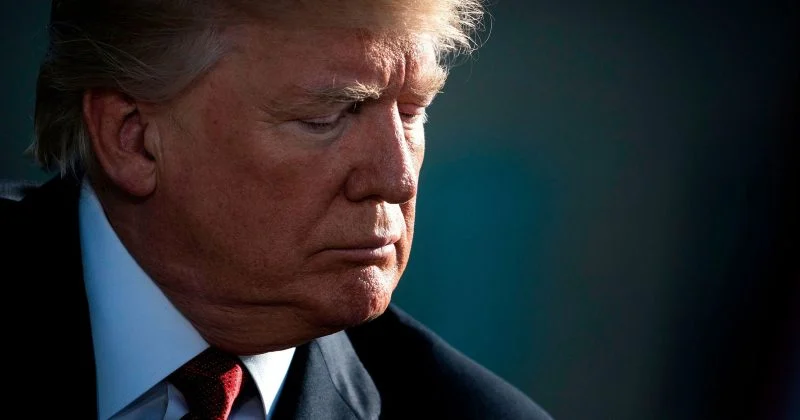
President Donald Trump's push to consolidate his influence in South Carolina by endorsing Darline Graham — sister of the late Senator Lindsey Graham — for a U.S. Senate seat is meeting unexpected pushback from Republican voters and political rivals alike.
The Senate seat became vacant following Lindsey Graham's passing. Governor Henry McMaster subsequently appointed Darline Graham on a temporary basis to fill the role. Appointed senators seeking a full term often benefit from early name recognition and institutional support, but history shows they can also face skepticism from primary voters who view them as inherited rather than chosen candidates.
The upcoming Republican primary, scheduled for August 11, has attracted a competitive field of candidates. Notable contenders include Representative Ralph Norman — a member of the conservative House Freedom Caucus — and Representative Russell Fry, both vying for the nomination in what has traditionally been a reliably Republican stronghold. South Carolina has not sent a Democrat to the U.S. Senate since Ernest Hollings left office in 2003, meaning the Republican nominee will be heavily favored in the general election and the primary is effectively the decisive contest.
Polling data reveals a fractured Republican base. A substantial share of voters remain undecided, and a significant segment has indicated that Trump's endorsement does not factor into their decision-making process. This dynamic echoes broader patterns observed in recent Republican primaries across other states, where Trump's backing has sometimes lifted candidates to victory but has not guaranteed outcomes when local factors, candidate quality, and voter independence complicate the landscape.
Prediction market activity mirrors the uncertain political landscape. As of the latest data, Ralph Norman's probability of securing the nomination stands at 19.5% — a slight uptick from the previous day, though down from levels recorded earlier in the week. Darline Graham currently holds a commanding lead in market pricing, with a 61.3% probability of winning the nomination.
The crowded field and divided voter sentiment suggest that Trump's endorsement may carry less decisive weight than previously anticipated in this state.
The Republican special primary on August 11 will be a critical event. Under South Carolina's runoff rules, if no candidate secures a majority, a runoff election is scheduled for August 25 — a two-week sprint that typically intensifies spending and sharpens contrasts between the top two vote-getters. The extent of Trump's sway over South Carolina voters remains a pivotal variable, particularly given the large proportion of undecided voters. Prediction markets are expected to respond to any shifts in voter sentiment or campaign developments in the days leading up to the primary.

