Trump Frequently Calls Fed Chair Warsh, Praising His Appearance and Raising Independence Concerns
Key Takeaways
- •President Trump frequently contacts Federal Reserve Chair Kevin Warsh by phone in an informal manner, bypassing traditional formal communication channels established in recent decades.
- •The Wall Street Journal reported that the pattern of communication has generated what sources described as animated concerns about the Federal Reserve's independence from political influence.
- •It remains unclear whether Trump and Warsh have discussed monetary policy, with one source indicating the president has not raised interest rates since Warsh's Senate confirmation.
- •Senate Banking Committee Democrats have repeatedly pushed Warsh for greater disclosure about his interactions with the president amid the oversight body's responsibility to monitor the Fed's adherence to its statutory mandate.
- •During his first term, Trump publicly criticized then-Fed Chair Jerome Powell over rate decisions, departing from the longstanding norm of presidents avoiding public commentary on monetary policy.
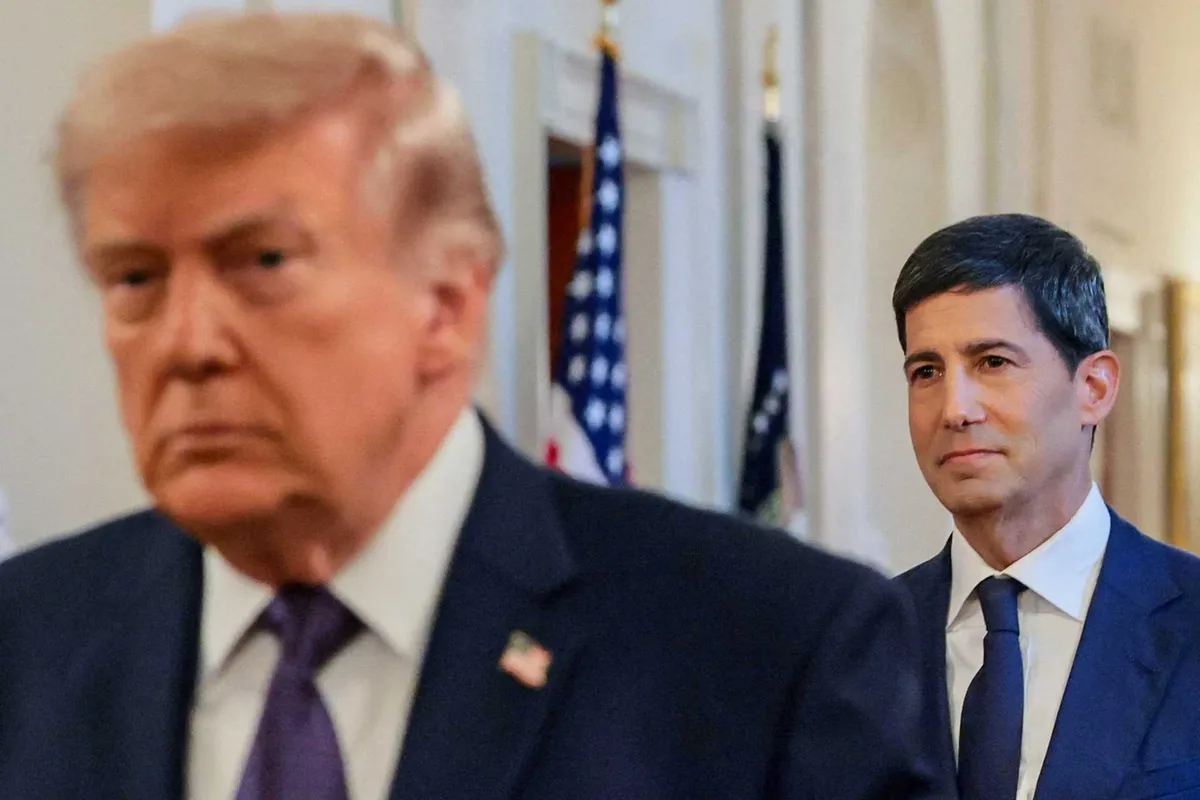
President Donald Trump has developed a habit of frequently calling newly appointed Federal Reserve Chair Kevin Warsh at various hours for advice, while also publicly praising his appearance, according to a report from the Wall Street Journal.
The president's frequent and informal contact with Warsh has sparked what the Journal described as "animated concerns" about the Federal Reserve's independence. The central bank is structurally designed to set monetary policy free from political interference, a principle that has long been considered foundational to the institution's credibility and the stability of financial markets. The concern is not purely abstract: historically, episodes of presidential pressure on the Fed—from Lyndon B. Johnson's confrontations with Chair William McChesney Martin in the 1960s to Richard Nixon's recorded appeals to Chair Arthur Burns ahead of the 1972 election—are widely cited by economists and historians as cautionary examples of what can happen when that boundary erodes.
"The president calls Warsh in bursts, the people said—several times in a stretch of days, then quiet for longer periods," the Journal reported. "[Trump] often raves about the Fed chair's looks after he sees Warsh on television, according to a person who has been in the room for the president's remarks."
It remains unclear whether Trump and Warsh have discussed monetary policy in their conversations. A person familiar with the exchanges stated that the president has not raised the topic of interest rates since Warsh's Senate confirmation. During his first term, however, Trump repeatedly and publicly criticized then-Fed Chair Jerome Powell over rate decisions, breaking with the norm of presidents avoiding public commentary on monetary policy.
Under the U.S. financial system, presidents appoint Federal Reserve chairs, but the central bank sets interest rates independently—a structural separation designed to keep politics out of economic decisions affecting borrowing costs, inflation, and employment levels.
"It isn't unusual for presidents and Fed chairs to meet on occasion, but in recent decades the contacts have generally been more formal and arranged in advance, choreographed to avoid the perception the president is influencing rate decisions," the Journal reported.
"Trump regularly bypasses formal communication channels, keeping up with a wide circle of contacts—including world leaders, business executives and lawmakers—through his personal cellphone," the newspaper added.
Democrats on the Senate Banking Committee, which oversees the Federal Reserve, have repeatedly pressed Warsh for greater disclosure about his interactions with the president, the report notes. The committee's scrutiny reflects a broader congressional role in monitoring the central bank's adherence to its statutory mandate of maximum employment and stable prices, a framework established under the Full Employment and Balanced Growth Act of 1978.
The Journal's full report is available here.
