UKMTO Reports Tanker Struck by Unknown Projectile Off Oman's Coast
Key Takeaways
- •UKMTO reported that a cargo vessel was hit by an unidentified projectile off Oman's coast, though the vessel's identity and flag state remain undisclosed.
- •Prediction market data shows the probability of Strait of Hormuz traffic normalizing by September 30 has dropped to 22.5% from 26% one week ago.
- •The Strait of Hormuz facilitates transit of approximately one-fifth of the world's daily oil consumption through a channel that narrows to roughly 21 nautical miles.
- •The attack occurs against a backdrop of ongoing commercial shipping disruptions in the Red Sea and Gulf of Aden, where Houthi forces have targeted Western-linked vessels.
- •Iranian, American, and Omani officials are viewed as the principal actors whose statements and actions will shape whether tensions escalate or de-escalate in the coming days.
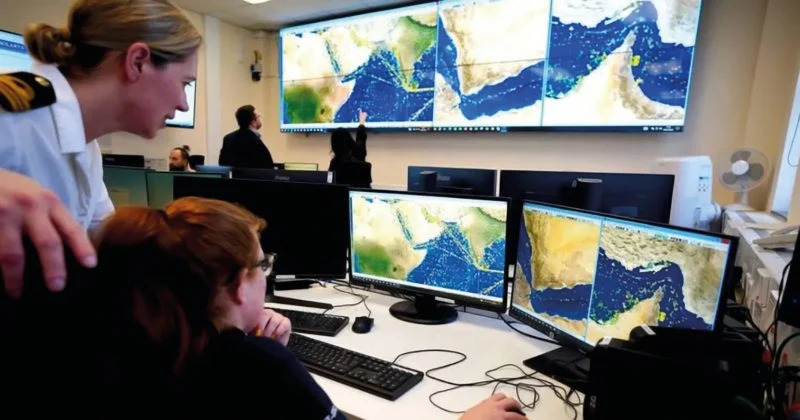
The United Kingdom Maritime Trade Operations (UKMTO) has reported that a cargo vessel was struck by an unidentified projectile off the coast of Oman, reigniting security concerns over one of the world's most critical maritime chokepoints — the Strait of Hormuz.
The incident follows a pattern of recent tensions and earlier attacks in the region, which have already weighed on market expectations for a return to normal maritime traffic through the strait. According to prediction market data cited by CryptoBriefing, the probability of Strait of Hormuz traffic normalizing by September 30 currently stands at 22.5% YES. That figure represents a decline from 24% roughly 24 hours earlier and 26% one week ago, reflecting what market participants interpret as a growing risk of sustained or escalating disruptions.
The UKMTO, which operates as a key information conduit for maritime security in the region, has not yet publicly identified the vessel, its flag state, or the nature of the projectile. The agency's advisories are closely followed by shipping operators, insurers, and defense analysts tracking threats to commercial navigation in the waters between Oman and Iran.
The Strait of Hormuz is a vital transit route for global oil shipments, with roughly one-fifth of the world's daily oil consumption passing through the narrow waterway — which at its narrowest point spans only about 21 nautical miles between Oman and Iran. The channel has long been a focal point of regional security strategy, having witnessed multiple periods of attacks on commercial shipping dating back to the Iran–Iraq War in the 1980s. Any disruption to the free flow of traffic through the strait carries implications for energy markets, insurance premiums for commercial vessels, and broader geopolitical stability.
The attack also comes against the backdrop of sustained disruption to commercial shipping in nearby Red Sea and Gulf of Aden corridors, where Houthi forces have targeted vessels linked to Western interests. Together, threats across these adjacent waterways have forced operators to consider longer routing alternatives, adding cost and time to global supply chains.
Attention is now focused on the responses of key regional and international actors. Oman has historically played a quiet diplomatic role as an intermediary between Tehran and Western capitals, and its government's engagement may factor into any de-escalation effort. Iranian officials and U.S. defense leaders are widely viewed as the principal figures whose statements and actions could either escalate or de-escalate the situation. Official communications from Tehran and Washington, as well as any security assurances or military posturing, are expected to shape the trajectory of events in the coming days and weeks.
Maritime traffic data and threat assessments from agencies such as the UKMTO are expected to remain critical indicators for market participants and observers. Additional incidents or threats in the area could further depress confidence in near-term normalization, while concrete signs of de-escalation — including ceasefire agreements or formal security guarantees — could support a recovery in traffic expectations.

