Five Indicted in South Korean Wildlife Smuggling Ring Involving Endangered Species
Key Takeaways
- •South Korean prosecutors indicted five individuals for smuggling approximately 200 non-native animals into the country and selling 54 endangered animals between November 2023 and August 2024.
- •The traffickers sourced animals from Indonesia, Vietnam, and Thailand, selling them through online reptile forums and shipping purchases via parcel delivery services across South Korea.
- •Customs officials at Incheon International Airport apprehended a trafficker in July 2024, which led to the identification of additional members of the smuggling operation.
- •Authorities confiscated 95 smuggled animals, including critically endangered Chinese alligators with only an estimated 100 to 200 individuals remaining in the wild.
- •Under South Korean law, violations of CITES-related trade restrictions carry penalties of up to three years in prison or fines of up to 30 million won, approximately $22,000.
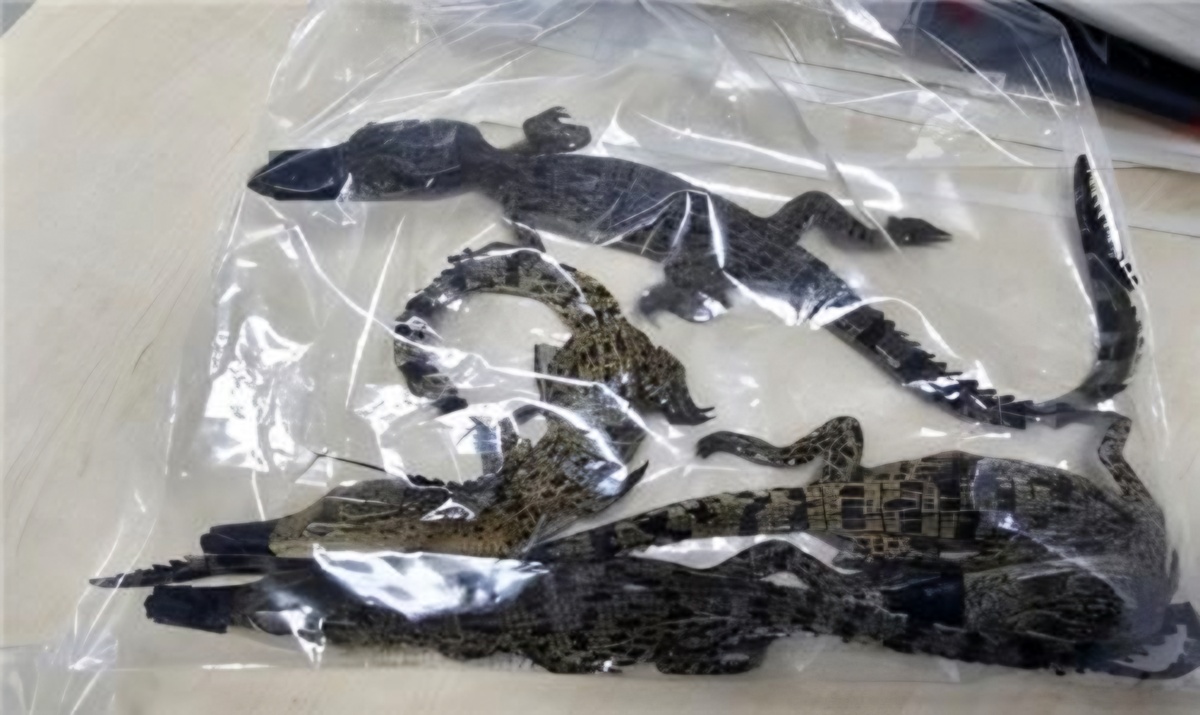
Prosecutors in South Korea announced Thursday the indictment of five individuals tied to an illegal wildlife trafficking ring that smuggled exotic and endangered animals — including Chinese alligators and saltwater crocodiles — into the country. The case underscores the growing role of e-commerce and parcel delivery networks in the global illegal wildlife trade, which the United Nations and INTERPOL have estimated to be worth up to $23 billion annually.
According to the Seoul Eastern District Prosecutors' Office, the suspects face charges of violating customs and wildlife protection laws for illegally trading animals brought in from overseas.
The ringleader is accused of smuggling approximately 200 non-native animals into South Korea between November 2023 and August 2024, and selling 54 endangered animals during that period. The four other defendants are suspected of being complicit in the operation.
Investigators said the traffickers sourced animals from Indonesia, Vietnam, and Thailand before smuggling them into South Korea, where they were offered for sale on online reptile forums. The use of online forums reflects a broader trend documented by international enforcement agencies, who have flagged internet marketplaces and social media as increasingly important channels for illegal wildlife sales. Purchased animals were shipped to buyers across the country via parcel delivery services.
To evade customs detection, the traffickers packed young animals into tin or plastic containers and taped their mouths shut to prevent them from making noise. Prosecutors noted that many of the animals died as a result of stress during transit.
The case came to light when customs officials at Incheon International Airport — South Korea's largest international gateway, located west of Seoul — apprehended one of the traffickers in July 2024 and referred the matter to prosecutors. Authorities subsequently identified additional members of the scheme.
A total of 95 smuggled animals have been confiscated and are currently under the care of the National Institute of Ecology, located in Seocheon County, approximately 170 kilometers south of Seoul.
Among the species seized were Chinese alligators, a crocodilian native to a small region of eastern China and classified as critically endangered by the International Union for Conservation of Nature (IUCN), with only an estimated 100 to 200 individuals remaining in the wild. Saltwater crocodiles, also intercepted in the operation, are protected under CITES regulations restricting international commercial trade.
South Korea is a party to the Convention on International Trade in Endangered Species of Wild Fauna and Flora (CITES), an international treaty established in 1973 to regulate and prevent the illegal trade of endangered species. Under South Korean law, violations of CITES-related trade restrictions can carry penalties of up to three years in prison or fines of up to 30 million won (approximately $22,000).
Source: The Korea Times
