Korea Must Become a Nation of Community
Key Takeaways
- •South Korea ranks below the OECD average in social trust, life satisfaction, and perceived social support despite its economic prominence.
- •Utah's health care system and civic strength are attributed by University of Utah Dean Rory Hume to a deeply rooted culture of mutual care rather than financial or technological advantages.
- •Korean independence figure Dosan Ahn Chang-ho observed the same community-centered values in Utah over a century ago and emphasized character cultivation over wealth accumulation.
- •Traditional Korean mutual-aid practices such as pumassi and durye have been largely displaced by hypercompetitive individualism amid rapid industrialization.
- •Successive Korean administrations have introduced volunteer and social cohesion policies, but converting these initiatives into genuine cultural change remains an unresolved challenge.
Published Aug 4, 2026 12:30 pm KST
South Korea's rise from the devastation of war into one of the world's leading economies is a success story few nations can match. The country has built global dominance in semiconductors, shipbuilding, automobiles, and K-content, achieving a level of international recognition in a remarkably short time.
Yet a difficult question persists: why have Koreans grown richer only to become more isolated and lonely?
Despite a world-class economy, South Korea faces a shrinking population, the world's lowest birthrate, its highest suicide rate, deepening social distrust, and widening loneliness. South Korea compressed into roughly four decades a development process that took Western nations over a century — but social infrastructure has not kept pace. OECD data consistently places the country below the average for member states in social trust, life satisfaction, and perceived social support. Material prosperity has been built, but community has not.
During recent visits to Utah, this gap became a focus of reflection.
At Welfare Square and the Humanitarian Center, volunteers were seen preparing food, repairing wheelchairs, and assembling relief supplies for people beyond their own state. Their motivation was neither praise, recognition, nor financial gain. They served because someone needed help — an active expression of everyday civic spirit.
At the University of Utah School of Dentistry, Dean Rory Hume offered a striking observation: one reason Utah's health care system functions so effectively is the state's deeply rooted culture of caring for one another.
The remark carried particular weight because Hume is not originally from Utah. An Australian scholar and administrator, he has served as president of the University of New South Wales, senior vice president at UCLA, and chief operating officer of the University of California system, evaluating institutions across the globe. When asked what gives Utah its core strength, he pointed not to money, technology, or infrastructure — but to community.
That insight recalled the legacy of Dosan Ahn Chang-ho. More than a century ago, during his own visit to Utah, Ahn observed a similar phenomenon: people who valued civic responsibility, respected one another, and willingly devoted their time to the common good. The following year, he wrote about the contrast between a "heartless society" and a "warm-hearted society," emphasizing the cultivation of human character over the accumulation of wealth.
Utah continues to reflect that spirit today, consistently ranking among the top U.S. states for volunteering and charitable giving. Civic duty remains deeply embedded in schools, neighborhoods, and local organizations.
This emphasis on mutual aid is not foreign to Korea. The country's history includes rich traditions such as "pumassi" and "durye" — systems of reciprocal labor and community support that helped earlier generations endure hardship. However, rapid industrialization has steadily replaced collective responsibility with hypercompetitive individualism.
Korean children are taught how to compete, but not how to belong. They are prepared for elite universities, yet rarely for active citizenship. They are trained to outrun others rather than to care for them.
Rebuilding this eroded social capital requires integrating community service into the educational system and fostering corporate cultures that value social contribution. Successive Korean administrations have introduced volunteer programs and social cohesion policies, but translating policy into lived culture remains an open challenge. A truly developed nation cannot be measured by GDP alone. High-trust societies benefit from lower social costs, stronger welfare outcomes, and greater life satisfaction.
Ahn recognized this truth in Utah a century ago. Korea has already proven itself an economic power; the next step is to become a nation of community. The coming hundred years will depend on how deeply people trust one another and how willingly they reach out to help.
What kind of society will be left to the next generation?
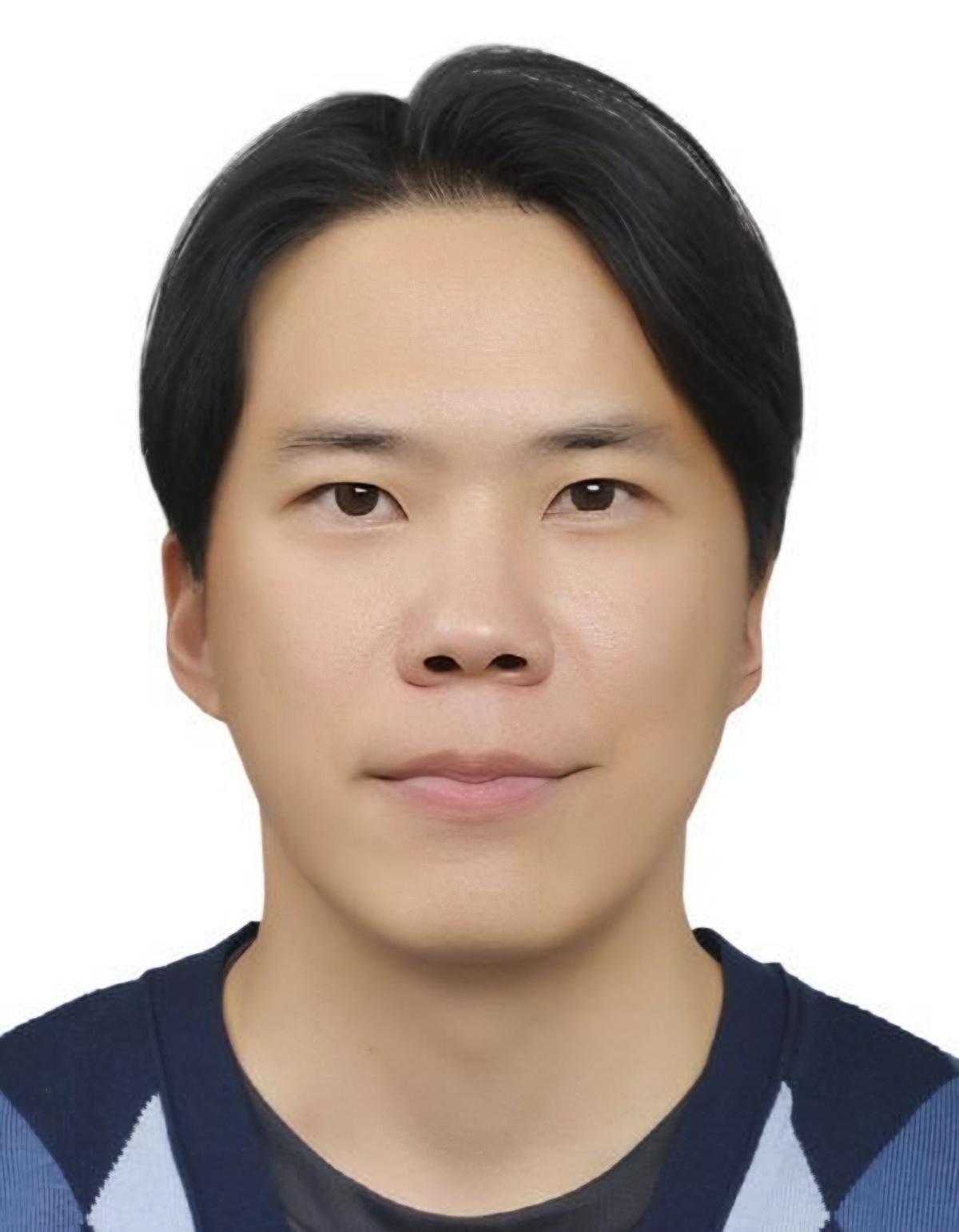
James Park works at the University of Utah Asia Campus as the director of external relations and is engaged in international cooperation and community engagement. He serves as vice president of the Songdo Foreign Advisory Board and as an international adviser to Yeonsu District, Jinju City, and the Mayor and City Council of Cottonwood Heights. He is committed to building meaningful bridges between Korea and the United States through education, public diplomacy, and local government partnerships.

