Shipping Giants Petition UN to Halt Iran's Toll Demands in the Strait of Hormuz
Key Takeaways
- •Eight major shipping groups have jointly appealed to the United Nations to intervene against Iran's efforts to impose transit tolls on ships passing through the Strait of Hormuz.
- •The Strait of Hormuz facilitates the daily transit of approximately one-fifth of globally traded crude oil and a significant portion of the world's liquefied natural gas.
- •The shipping groups' challenge is grounded in UNCLOS provisions, which prohibit charges on vessels exercising transit passage through international straits and are widely regarded as customary international law.
- •The IRGC maintains a significant naval presence in the strait and has repeatedly demonstrated the ability to intercept or control commercial maritime traffic, raising concerns about Iran's enforcement capacity.
- •Any institutionalization of toll collection could disrupt energy supply chains, increase shipping costs, and carry significant economic implications for energy importers, maritime insurers, and global commodity markets.
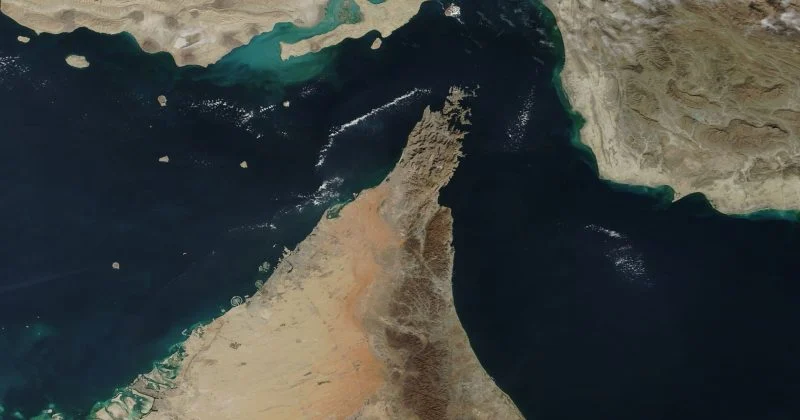
Eight major shipping groups have jointly appealed to the United Nations to intervene against Iran's efforts to impose transit tolls on vessels passing through the Strait of Hormuz, according to reports circulating on social media.
The appeal underscores mounting alarm within the global maritime industry over Tehran's stated intention to collect fees from ships transiting the strait, a narrow channel between Iran and Oman that connects the Persian Gulf to the Gulf of Oman and the Arabian Sea. At its narrowest point, the strait is approximately 21 nautical miles wide, and it serves as one of the world's most critical energy transit chokepoints, with roughly a fifth of globally traded crude oil and a significant share of the world's liquefied natural gas (LNG) passing through it each day.
Under the United Nations Convention on the Law of the Sea (UNCLOS), ships of all states enjoy the right of transit passage through straits used for international navigation, a right that cannot be suspended. The convention also provides that ships exercising transit passage shall not be subject to charges solely by reason of their passage. Although Iran has signed but not ratified UNCLOS, the treaty's provisions on transit passage are widely recognized as reflecting customary international law, giving the shipping groups' appeal a basis in established maritime legal norms.
Iran's capacity to enforce toll collections has been a growing concern for commercial operators. The Islamic Revolutionary Guard Corps (IRGC), which maintains a significant naval presence in the area, has repeatedly demonstrated the ability to intercept, direct, or otherwise control maritime traffic within the strait. Shipping groups warn that formalized toll collection could set a precedent that raises costs, creates logistical bottlenecks, and introduces new layers of uncertainty for vessels carrying energy cargo through the corridor.
The petition to the UN arrives amid heightened regional tensions, particularly the ongoing friction between Iran and the United States over freedom of navigation in and around Hormuz. In recent months, some commercial shipping traffic has already been rerouted or constrained as a result of the volatile security environment, according to industry accounts. Qatar, one of the world's largest LNG exporters, routes nearly all of its liquefied gas shipments through the strait, meaning that any disruption would affect not only crude oil markets but also global gas supply chains on which countries in Asia and Europe depend.
The Strait of Hormuz has long been a flashpoint in global energy logistics. Disruptions there can have immediate ripple effects on fuel supply chains and shipping insurance markets, given the volume of oil and LNG that transits the route daily. Iran has previously threatened to close the strait during periods of heightened confrontation with Western powers, though it has not done so. Any move by Iran to institutionalize toll collection — and any international response — would carry significant economic implications for energy importers, maritime insurers, and commodity markets worldwide.
Observers are now watching for any official response from the United Nations to the shipping groups' appeal, as well as any reaction from Tehran. Statements from the IRGC or from U.S. diplomatic and defense officials could further shape the trajectory of the dispute.
