Columnist Says Senior Voters Could Become a 2026 Risk for Republicans
Key Takeaways
- •Roper Center data found that 50% of seniors voted for Donald Trump in 2024, compared with 49% for Kamala Harris.
- •Older voters have the highest turnout rates in midterm elections, according to U.S. Census Bureau data.
- •Social Security and Medicare remain central programs for many older Americans and face continuing policy and funding debates.
- •Parton argues that Republican positions on safety-net programs could hurt the party with seniors in the 2026 midterms.
- •The article says immigration enforcement may affect elder care because foreign-born workers make up a substantial share of home health and personal care jobs.
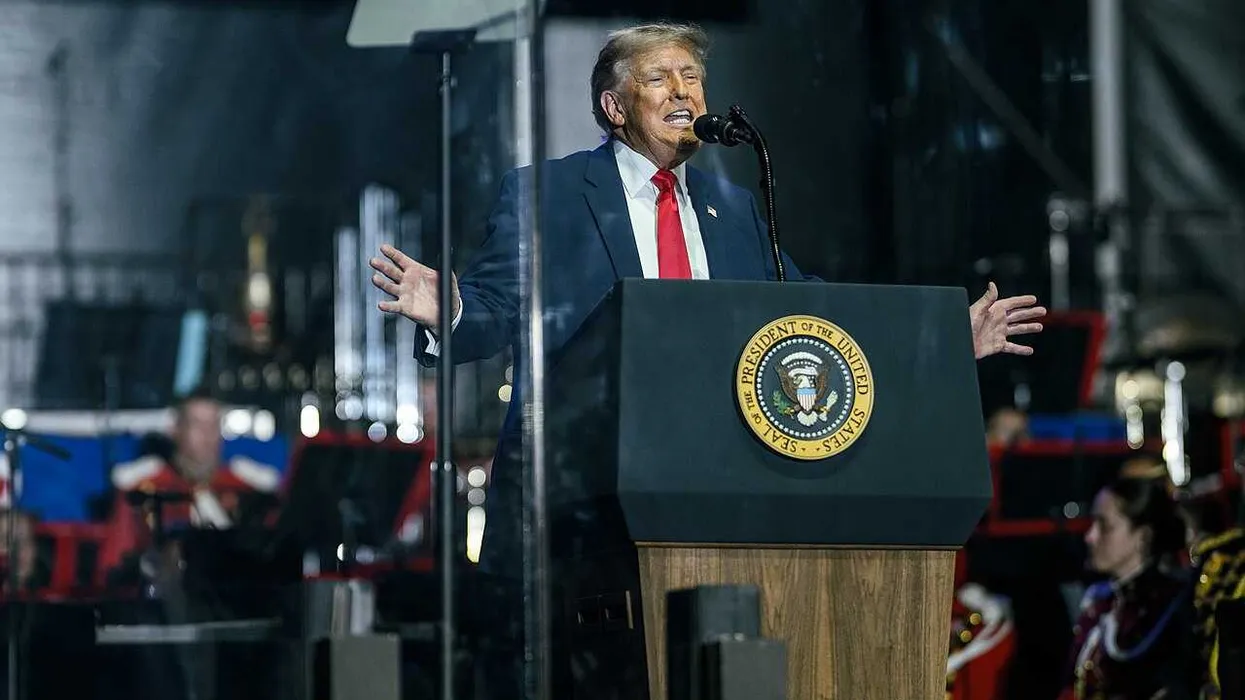
Data from the Roper Center at Cornell University shows that U.S. seniors — voters age 65 and older — were closely divided in the 2024 presidential election. According to Roper, 50 percent of seniors voted for Donald Trump, while 49 percent supported Democratic presidential nominee Kamala Harris. The senior vote was narrow, and Roper says older voters played an important role in helping Trump win. But Salon columnist Heather Digby Parton argues that the same group could become a serious problem for Republicans in the 2026 midterm elections. Seniors consistently post the highest voter turnout rates of any age group in midterm cycles, according to U.S. Census Bureau data, meaning even small shifts in their preferences can carry outsized electoral consequences.
In a Salon column, Parton writes that because so many seniors vote Republican, "it's always been a mystery" to her "why Republicans have always been so bent on destroying the safety net that brought the elderly out of poverty and assured them a baseline level of subsistence and medical care." She notes that two core safety-net programs relied on by many older Americans — Social Security and Medicare — were enacted under liberal Democratic presidents. Both programs face long-term fiscal pressures that have drawn periodic congressional attention: the Congressional Budget Office has projected that Social Security's combined trust fund reserves could be depleted in the early 2030s without legislative action, a deadline that intensifies debate over benefit levels and eligibility.
"From the moment Franklin D. Roosevelt signed the Social Security Act in 1935 to the day Lyndon B. Johnson signed the Medicare and Medicaid Act 30 years later," Parton explains, "the right has been trying to destroy them. In the early days, it sprang from their obsession with anti-communism, arguments that the country couldn't afford it, and that individuals and their families are rightfully responsible for their own care in old age. In a 1961 radio address — 20 years before he became president — Ronald Reagan said, 'One of the traditional methods of imposing statism or socialism on a people has been by way of medicine' ... Before Medicare was created, only 54 percent of elderly people had health insurance, and that could be cancelled without cause when they got sick — which, as you know, tends to happen when you get old."
Parton adds that Medicare quickly changed health coverage for older Americans after its creation.
"Three years after it was enacted, 96 percent of people over 65 had hospital insurance. It was literally a life saver. Over the years, Medicaid, created at the same time to assist people living below the poverty line, came to cover many of the health expenses that Medicare didn't for elderly people, most importantly for nursing homes and caregivers. The GOP has been hacking away at these vital programs ever since, and yet, senior citizens have been voting for them in greater numbers than any other age cohort."
The Salon journalist argues that seniors could turn sharply against Republicans if they conclude that the Trump administration is harming Social Security and Medicare. She also points to immigration policy as another issue that could directly affect older Americans who depend on care workers. Foreign-born workers make up a substantial share of the nation's home health aide and personal care workforce, according to labor and health policy research, giving immigration enforcement policy direct implications for elder care availability.
"The Republican war on the elderly has taken an even darker — and potentially painful and even deadly — turn, and not just for seniors below the poverty line," Parton observes. "Trump's immigration policies are drastically shrinking the pool of workers who care for the elderly in assisted-living facilities and in their own homes ... This could well be an issue that cuts across party lines."
Parton continues, "Any older person who is told that their caregiver is being deported because of Trump's policies could likewise be angry and appalled ... There are a lot of seniors, and they vote. Republicans should think long and hard about making these people their adversaries."

