SEIA Publishes Report on Cybersecurity Priorities for U.S. Solar and Storage Industry
Key Takeaways
- •SEIA's report recommends improving supply chain traceability, establishing national guidance for inverter cybersecurity standards, and broadening the sharing of cybersecurity resources across the solar industry.
- •U.S. inverter manufacturing capacity has nearly tripled since 2024, making the United States tied for the second-largest manufacturer of inverters worldwide.
- •Solar inverters, which convert DC electricity from solar panels into grid-compatible AC electricity, have drawn scrutiny from cybersecurity experts due to their increasing internet connectivity and role in critical energy infrastructure.
- •Grid-connected solar and storage systems represent a growing share of new U.S. electricity generation capacity, elevating their cybersecurity to a matter of national interest.
- •SEIA President and CEO Tim Pawlenty emphasized that cybersecurity must remain a priority as solar and storage continue to lead new power capacity additions to the grid.
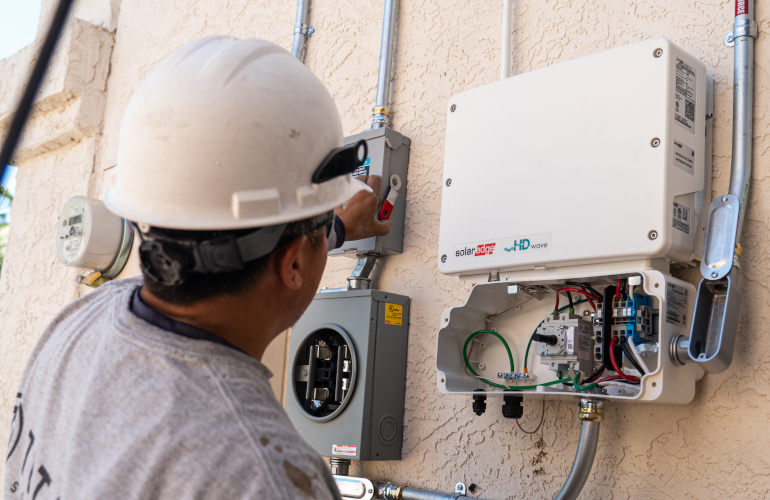
The Solar Energy Industries Association (SEIA) has released a new report outlining industry-wide priorities for strengthening cybersecurity across solar and energy storage systems, while also highlighting significant growth in domestic manufacturing.
The report, titled "Cybersecurity Priorities for America's Solar & Storage Industry," details a series of measures aimed at enhancing the security of solar inverter technologies. Key recommendations include improving supply chain traceability, establishing national-level guidance for inverter cybersecurity standards, and facilitating the broader sharing of cybersecurity resources and best practices across the solar industry.
SEIA noted that U.S. inverter manufacturing capacity has nearly tripled since 2024, positioning the United States as tied for the second-largest manufacturer of inverters globally. Solar inverters are devices that convert the direct current (DC) electricity generated by solar panels into alternating current (AC) electricity suitable for the electrical grid. As grid-connected devices that increasingly incorporate internet-connected software and communication capabilities, inverters have drawn attention from cybersecurity experts and policymakers concerned about the resilience of critical energy infrastructure.
The push for stronger inverter cybersecurity comes amid broader efforts across the U.S. energy sector to safeguard distributed energy resources from potential cyber threats. Grid-connected solar and storage systems represent a growing share of new electricity generation capacity in the United States, making their security a matter of national interest. Because these systems are deployed across many project sites and involve manufacturers, installers, software providers, utilities, and grid operators, common guidance and clearer supply chain visibility can help align security practices across a fragmented technology ecosystem.
"As solar and storage continue to lead the way in adding new power capacity to the grid, cybersecurity must remain front and center," said Tim Pawlenty, SEIA president and CEO. "From secure and resilient systems to expanding domestic manufacturing, this report lays out the actions our industry is taking to strengthen U.S. energy security, protect critical infrastructure, and stay ahead of emerging threats."
The full report is available through SEIA.

