SEC Sets September 17 Roundtable to Discuss 24-Hour Trading in U.S. Equity Markets
Key Takeaways
- •The SEC has scheduled a public roundtable for September 17, 2026, at its Washington headquarters to examine the feasibility of extending U.S. equity trading to a 24-hour cycle.
- •SEC Chairman Paul Atkins framed overnight trading as a natural evolution that would align domestic exchanges with international markets already operating on a continuous basis.
- •Key operational concerns include clearing and settlement continuity, overnight market-making liquidity, staffing and technology resilience, and protections for retail investors facing wider spreads and heightened volatility.
- •The SEC opened a formal public comment period under File Number 4-913, with all submissions published unedited on the agency's website as part of the public record.
- •The roundtable will be open to the public and streamed live on SEC.gov, though a detailed speaker list and agenda have not yet been released.
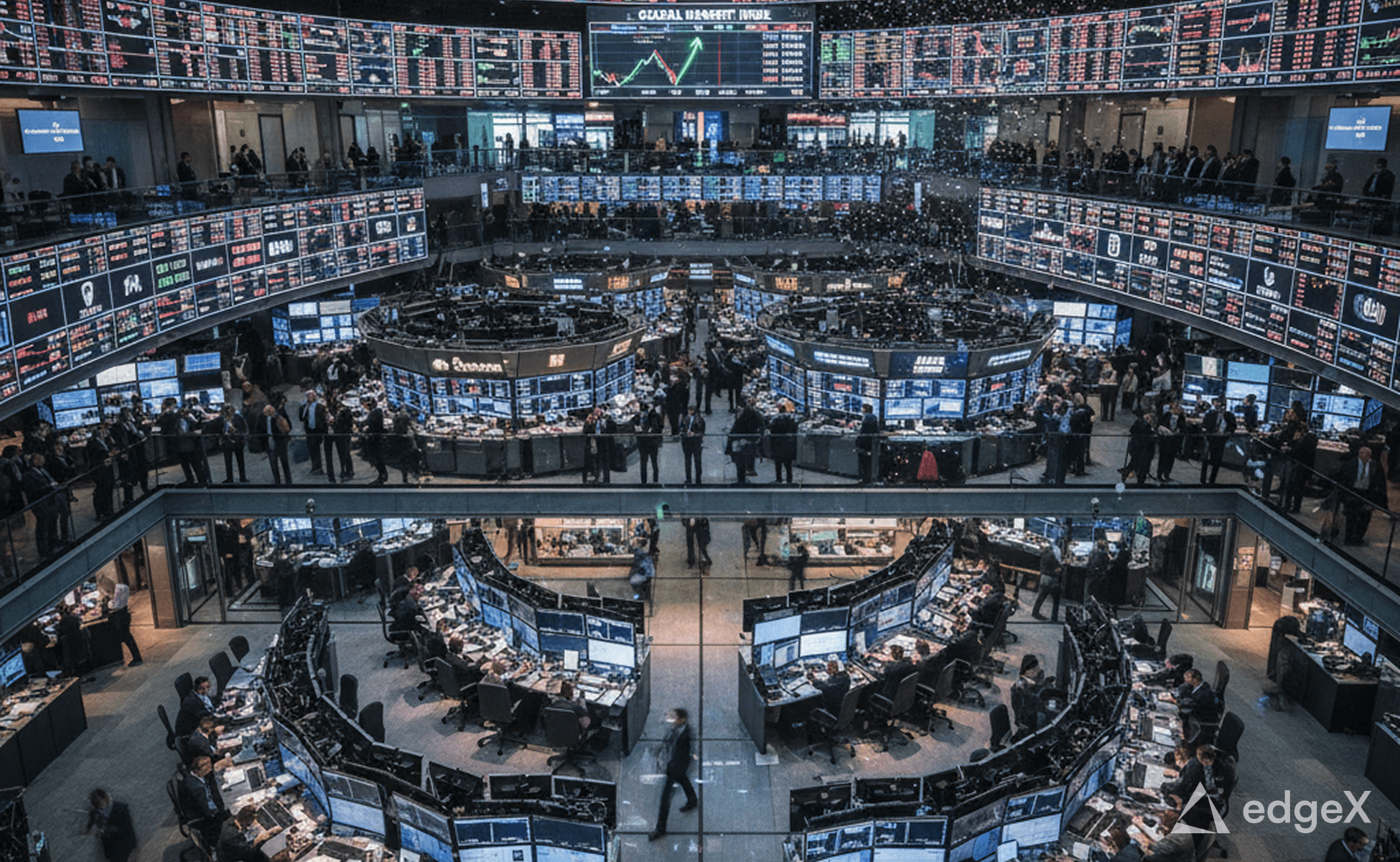
The U.S. Securities and Exchange Commission has scheduled a public roundtable for September 17, 2026, to examine the feasibility and logistics of extending equity trading to a 24-hour cycle. The event will take place at the SEC's headquarters at 100 F Street, N.E., Washington, D.C., convening regulators, industry participants, and members of the public to discuss the operational and policy questions raised by continuous overnight trading.
The roundtable will center on three core themes: the preparations required to support overnight trading sessions, the operational resiliency needed to sustain a continuous market, and the broader opportunities and challenges associated with expanding U.S. equity trading hours.
SEC to Host Roundtable on Preparations for 24-Hour Trading in U.S. Equities
U.S. Securities and Exchange Commission (SEC) announced it will host a public roundtable on September 17, 2026, at its Washington headquarters to discuss moving towards 24-hour trading in the U.S. equity… pic.twitter.com/6nUOe0RRwS
— Wu Blockchain (@WuBlockchain) July 23, 2026
SEC Chairman Paul S. Atkins described the agency as "moving towards a new day—and night" in U.S. equity markets. He stated that expanding into overnight hours would allow domestic exchanges to align with international venues that already operate on a continuous basis, framing the development as a natural evolution rather than an abrupt shift for market participants.
U.S. equity markets currently operate during limited regular session hours—9:30 a.m. to 4:00 p.m. Eastern Time—with thinner extended-hours windows before and after the main session. By contrast, major exchanges in Asia and Europe provide overlapping liquidity across global time zones, and some retail brokerage platforms have already introduced overnight or near-24/5 trading access for individual stocks.
Atkins emphasized that regulators must balance the potential benefits of round-the-clock market access against the imperative of maintaining robust investor and customer protections. Key operational considerations likely to receive attention include clearing and settlement continuity outside normal business hours, the availability of market-making liquidity during low-volume overnight periods, staffing and technology resilience at exchanges and broker-dealers, and how retail investors would be protected in sessions that may carry wider spreads and heightened volatility. That balance is expected to anchor much of the roundtable's agenda.
The SEC has not yet released a full speaker list or detailed discussion schedule. Officials confirmed that the roundtable will be open to the public and streamed live on SEC.gov, with a recording posted afterward for those unable to attend. Attendees planning to participate in person should anticipate standard security screening, and the agency noted that on-site capacity constraints may apply.
Public Comment Period Now Open
In conjunction with the roundtable announcement, the SEC opened a formal public comment period on 24-hour trading. Individuals and organizations may submit feedback electronically or in paper form, though the agency requested that each commenter select only one submission method to prevent duplication.
All comments related to the 24-hour trading discussion will be entered into the public record. The SEC stated that submissions will be published on its website exactly as received, without edits or redactions by staff. Because personally identifying information will not be removed, the agency advised commenters to include only information they are comfortable disclosing publicly.
Submissions must reference File Number 4-913. Commenters submitting via email are asked to include the file number in the subject line.
The comment period provides exchanges, market participants, and retail investors with a formal mechanism to weigh in before regulators finalize their approach to extended hours. The feedback gathered through this process, along with roundtable discussions, typically informs whether the SEC proceeds to formal rulemaking or guidance. Additional details regarding the agenda and confirmed speakers are expected as the September 17 date approaches.
