South Carolina Judge Rules Solar Manufacturing Requires Heavy Industrial Zoning
Key Takeaways
- •A South Carolina circuit court judge ruled that solar panel manufacturing should be classified under heavy industrial zoning rather than light industrial use.
- •Silfab Solar's existing Fort Mill facility is permitted to continue operations because the zoning determination applies only to future projects.
- •Judge McKinnon found that York County had incorrectly categorized solar panel production as computer and electronic products manufacturing.
- •State and federal environmental agencies investigated two chemical spill incidents at the Silfab site in March 2026 and confirmed there was no risk to the public.
- •Silfab Solar plans to appeal the ruling, while the Fort Mill site is designed to annually produce 1 GW of solar cells and 1 GW of solar panels.
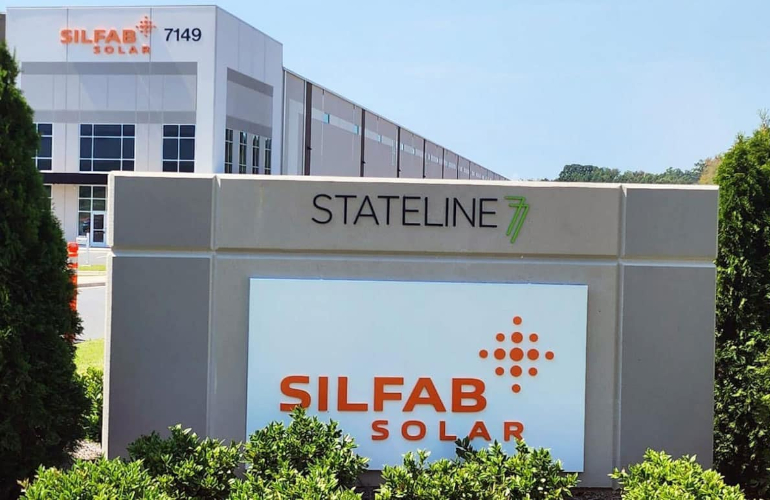
A South Carolina circuit court judge has ruled that solar panel manufacturing should be classified under heavy industrial zoning, overturning York County's prior designation that had allowed such operations in light industrial districts. The ruling arrives as a wave of domestic solar factory announcements—spurred by federal incentives including the Inflation Reduction Act's Section 45X advanced manufacturing production tax credit—has heightened scrutiny over where such facilities can be sited and how local governments classify them. Despite the ruling, Silfab Solar's silicon cell and panel manufacturing facility in Fort Mill will be permitted to continue operations under a grandfathered approval.
Judge William McKinnon determined that York County had incorrectly categorized solar panel production as "computer and electronic products manufacturing," a classification permitted within light industrial districts. The distinction matters because solar cell production, unlike final panel assembly, involves chemical-intensive processes that typically fall under heavier industrial use categories. The York County Board of Zoning Appeals (BZA) had previously stated that "solar panel manufacturing is prohibited in the light industrial district," a position with which Judge McKinnon concurred. The court's order is available here.
York County originally approved construction of the Silfab Solar plant in 2022 within a light industrial district in Fort Mill. However, following an appeal filed by a Fort Mill resident in 2024, the zoning board reversed its earlier decision, concluding that solar manufacturing should be restricted exclusively to heavy industrial zones. The county clarified that the revised zoning determination "applies only to future projects," allowing the Silfab facility to proceed with both construction and ongoing operations.
Even though Silfab is lawfully grandfathered under the previous zoning classification, opposition from Fort Mill residents has intensified. Community members have raised safety concerns regarding the Silfab facility, particularly its proximity to a newly constructed elementary school. Residents have cited worries over the chemicals utilized in solar cell manufacturing. Public concern escalated in March 2026 following two separate chemical spill incidents at the site. Both the South Carolina Department of Environmental Services and the U.S. Environmental Protection Agency investigated the incidents and confirmed there was no risk to the public. Details of the March chemical incident were previously reported.
Silfab Solar issued a press statement in response to the court's decision: "The court's recent decision has no impact on our current operations or permits. All employees are reporting to work as scheduled. … York County has previously confirmed; the BZA's ruling only applies prospectively and does not affect Silfab because our project was well underway prior to the BZA's decision. Silfab Solar will be appealing to ensure that future opportunities to expand production and hiring remain open and to protect the zoning process from being manipulated in the future as our opponents did in this case."
Silfab Solar is headquartered in Canada and operates an existing solar panel assembly facility in Burlington, Washington. The company aimed to become one of the first brands to establish domestic solar cell manufacturing in the United States, a segment of the supply chain that has historically been dominated by manufacturers in China and Southeast Asia. The Fort Mill, South Carolina, site is designed to produce 1 GW of solar cells and 1 GW of solar panels annually. Panel production is currently underway at the South Carolina facility, while a timeline for full cell production has not yet been announced.

