Rupert Lowe Proposes Scrapping Triple Lock Pension and £155bn in Tax Cuts in Restore Britain Economic Plan
Key Takeaways
- •Lowe's plan would replace the triple lock pension with inflation-only annual increases, diverging from all mainstream parties that have committed to retaining the existing guarantee.
- •The economic agenda proposes approximately £155bn in tax cuts, including raising the personal allowance to £16,000, eliminating stamp duty and inheritance tax, and introducing zero corporation tax on the first £50,000 of company profit.
- •The proposal would require the Bank of England to obtain Chancellor approval before launching any new quantitative easing programme.
- •The Office for Budget Responsibility has warned that the triple lock is unsustainable and could push pensioner spending to nine per cent of GDP over the next 50 years, up from the current five per cent.
- •Lowe recently offered Nigel Farage an electoral truce, suggesting a potential pact to unite what he termed the patriotic right, though Farage has not confirmed any agreement.
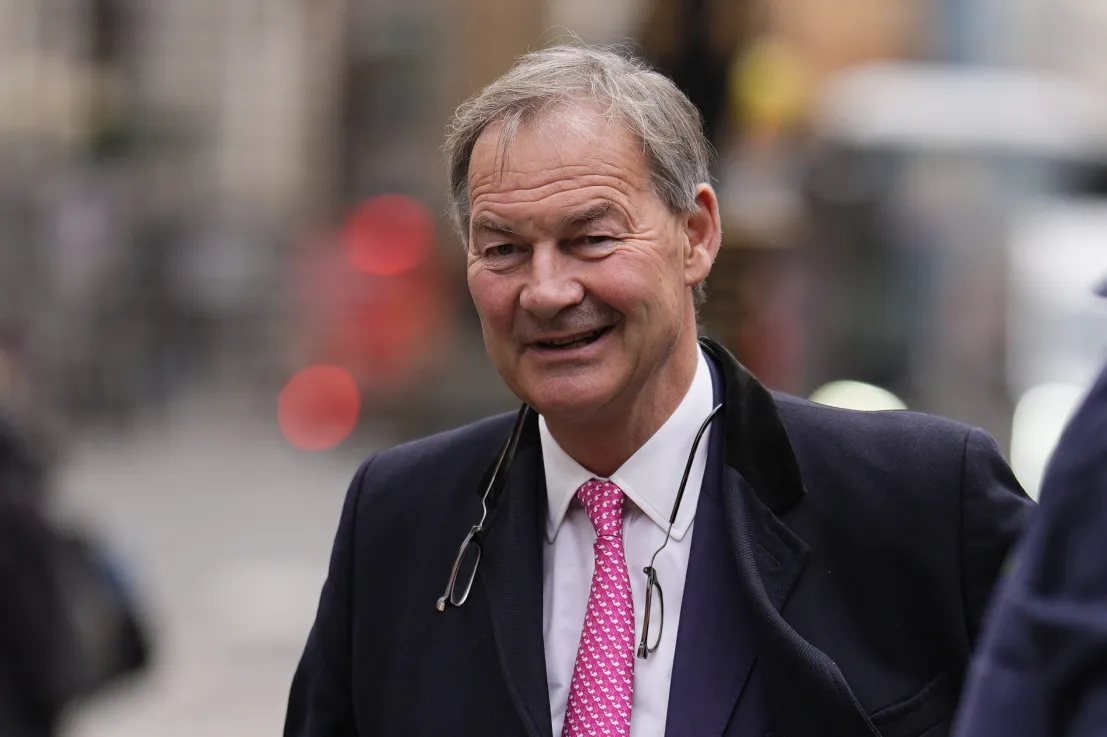
Rupert Lowe, leader of the Restore Britain party, has unveiled a 62-page economic plan that would abolish the triple lock pension, impose three-year freezes on departmental budgets, and deliver approximately £155bn in tax cuts for workers and businesses.
Lowe, who has primarily focused on immigration policy since breaking away from Reform UK over a year ago, published the pamphlet outlining his new party's comprehensive economic agenda — his most detailed attempt yet to broaden Restore Britain's appeal beyond its signature immigration platform.
Under the proposals, Lowe said he would scrap the triple lock pension — the guarantee introduced in 2010 that increases the state pension each year by whichever is highest: CPI inflation, wage growth, or 2.5 per cent. Instead, the pension would rise only by inflation annually. Since its introduction, the triple lock has frequently driven pension increases that have outpaced growth in average earnings, adding billions of pounds annually to welfare spending compared with a simpler earnings-linked system.
Lowe also proposed requiring the Bank of England to seek authorisation from the Treasury before introducing any new quantitative easing programme, the bond-buying initiative previously used to stimulate the UK economy. The Bank's asset purchases, begun in 2009 during the global financial crisis and expanded substantially during the COVID-19 pandemic, reached a peak of approximately £895bn. Any new effort to buy bonds and stimulate economic activity through "monetary financing" would require the Chancellor's approval.
Political Context
The MP for Great Yarmouth was ousted from Reform UK in early 2025 following a dispute with Nigel Farage over a report concerning workplace harassment and bullying allegations involving female employees in his constituency office. Lowe denied all allegations, describing them as politically motivated.
Since his departure, Lowe has secured the backing of US billionaire Elon Musk, earned revenue from posting on X, and established a party that captured approximately seven per cent of the vote in the Makerfield by-election, eroding Reform's polling position.
In recent days, Lowe has offered Farage a truce, suggesting that an electoral deal could unite what he called the "patriotic" right. Farage has not ruled out reaching a pact with Lowe.
Lowe remains a controversial figure, having made remarks about "cultures that treat women like dirt" and claiming Indians are "taking" jobs from Britons.
Pension Reform and Spending Proposals
Abolishing the triple lock pension is supported by leading economists across the political spectrum, who view it as a significant strain on precarious public finances. All mainstream parties, including Andy Burnham's Labour and Farage's Reform, have committed to retaining the triple lock, citing its political importance in maintaining support among elderly voters, who consistently record the highest electoral turnout of any age group.
The Office for Budget Responsibility, the independent fiscal watchdog established in 2010 to provide official economic forecasts and scrutiny of government budgets, stated last year that the triple lock pension has become unsustainable and would push pensioner spending to nine per cent of GDP over the next 50 years, up from its current level of five per cent.
Lowe also endorsed three-year freezes to departmental budgets, a policy previously promoted by economist Roger Bootle, founder of Capital Economics. Additional contentious proposals include freezing working-age benefits until 2030 and ending net zero spending.
Tax Cuts Totalling £155bn
The pamphlet outlines radical tax reductions for workers and businesses, arriving at a moment when the UK's overall tax burden stands at its highest share of GDP since the late 1940s. Lowe proposed raising the personal allowance from £12,571 to £16,000 — a threshold that has nearly doubled since 2010 but has been frozen since 2021, pulling more workers into the tax system and pushing others into higher rate bands through fiscal drag. He also proposed introducing a zero corporation tax rate on the first £50,000 of company profit, and eliminating stamp duty and inheritance tax.
The document claims the tax cuts would total approximately £155bn, while combined cuts and savings measures would amount to £178bn.
Lowe described his plan as centred on "fiscal fairness, fiscal pragmatism, fiscal responsibility, and fiscal accountability."
Pressure on the Bank of England
Lowe has also added to political pressure on the Bank of England's monetary policy decisions, joining figures such as Reform's Richard Tice and the Chancellor of the Duchy of Lancaster, Louise Haigh, in criticising quantitative easing. Their calls for tighter political oversight of monetary policy come as the Bank continues the reverse process — quantitative tightening — by gradually reducing its accumulated stock of bond holdings.
The party indicated it would present its own nominations for the Monetary Policy Committee, committed to maintaining price stability.

