Wall Street Analysts Cut Robinhood (HOOD) Price Targets as Crypto Revenue Declines
Key Takeaways
- •Multiple Wall Street firms reduced their price targets for Robinhood, bringing the revised consensus target to $120 following a recent stock decline.
- •The company's first-quarter cryptocurrency transaction revenue fell 38% year-over-year to $100 million due to lower trading volumes.
- •Robinhood's prediction markets business grew significantly, with contract volume rising to 6.4 billion from 3.9 billion in the prior quarter.
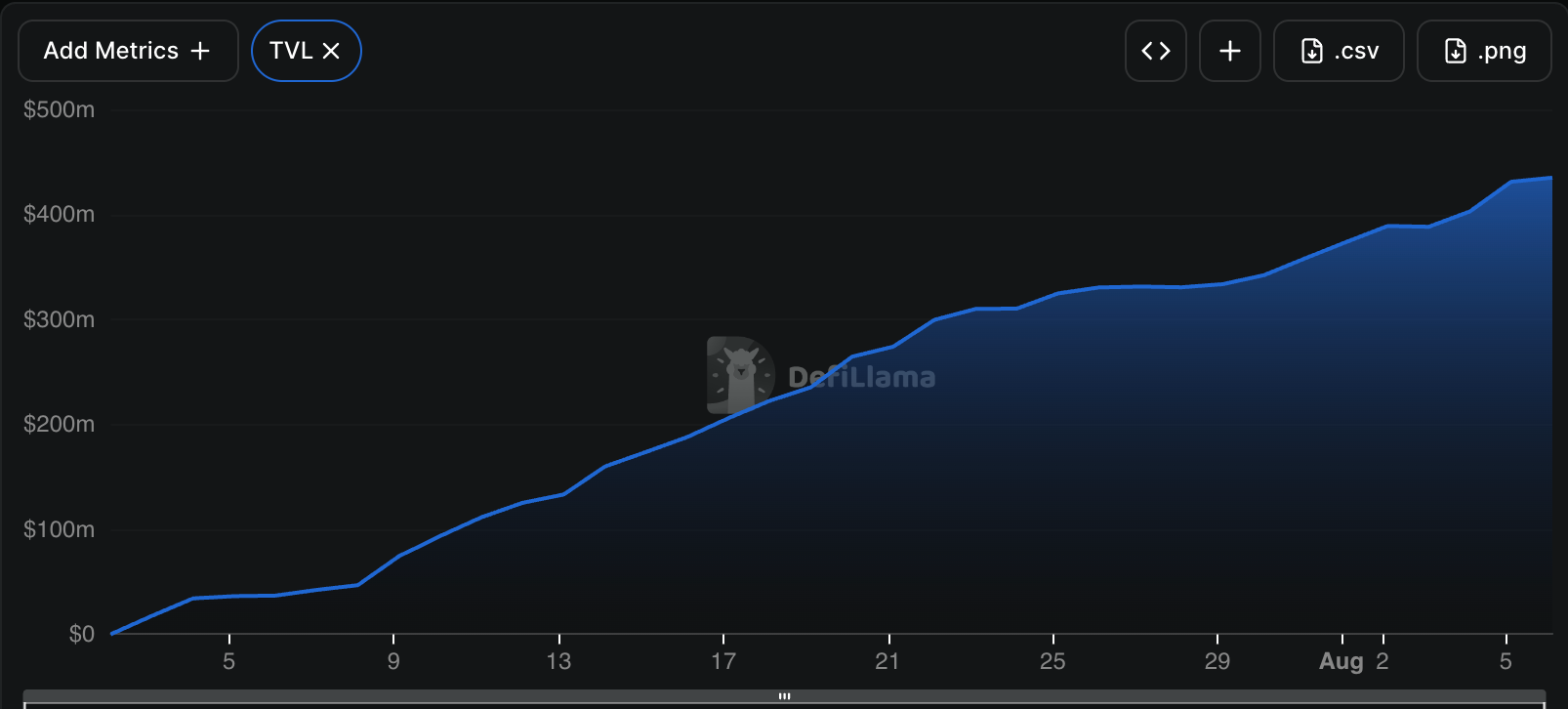
- •The newly launched Robinhood Chain reached a record total value locked of $435 million and processed transactions exceeding $11 billion.
- •Analysts project Robinhood's revenue will grow approximately 15% to $5.15 billion this year, followed by 25% growth next year.
Robinhood (NASDAQ: HOOD) shares have retreated sharply in recent weeks, falling from last month's high of $119.80 to $92.80, a decline of more than 22% from the stock's year-to-date peak. The pullback comes despite the company releasing encouraging financial results for the quarter. Since its 2021 IPO, Robinhood has grappled with the inherent volatility of crypto-driven revenue, which can amplify both upside and downside for the stock depending on digital asset market conditions.
Analysts Reduce Price Targets Following Earnings
Several prominent Wall Street analysts lowered their price targets for Robinhood after the company's latest earnings report revealed continued weakness in its cryptocurrency business.
Cantor Fitzgerald's Ramsey El-Assal cut his target from $130 to $115. Loop Capital also reduced its target to $115. Barclays analyst Benjamin Budish lowered his forecast from $122 to $105, while Goldman Sachs analyst James Yaro trimmed his target from $137 to $118. The revised consensus target among covering analysts now stands at $120, roughly 30% above the current trading price.
A primary concern cited by analysts is the deterioration of Robinhood's crypto segment. Transaction revenue for the first quarter came in at $100 million, representing a 38% year-over-year decline. The drop coincided with Bitcoin and most altcoins entering bear market territory in recent months, as trading volumes typically contract during periods of downward price pressure across digital assets. This dynamic has been a recurring challenge for fintech platforms with crypto exposure, as retail trading activity tends to correlate closely with asset price momentum.
Bitcoin was trading near $63,000, while Ethereum and XRP remained range-bound. Analysts noted that without a renewed crypto market rally, industry trading volumes are likely to remain subdued in the coming quarters.
Growth in Other Business Lines
Despite headwinds in crypto, Robinhood reported growth across several other segments. Robinhood Chain, launched recently, continued to expand. The platform's total value locked (TVL) reached a record $435 million, and its decentralized exchange (DEX) volume surged. Protocols on the network have processed transactions exceeding $11 billion. Robinhood has positioned the chain as a significant player in real-world asset (RWA) tokenization and stablecoins — an area that has attracted growing institutional interest as traditional financial firms explore blockchain-based representations of bonds, equities, and other assets.
The company also reported substantial growth in its prediction markets business, with contract volume rising to 6.4 billion in the quarter, up from 3.9 billion in the prior quarter. Prediction markets have gained broader mainstream traction over the past year, driven by heightened interest in event-based contracts tied to politics, sports, and economics. Traded options volume increased to 318 million from 231 million over the same period.
Looking ahead, analysts project revenue growth of approximately 15% this year to $5.15 billion, followed by 25% growth next year to $6.47 billion. Robinhood's competitive advantages include a strong market share among younger investors and a track record of expanding its product offerings. The divergence between near-term crypto headwinds and longer-term diversification into areas like tokenization and prediction markets is likely to remain a central focus for investors evaluating the stock's trajectory.
Technical Analysis
On the daily chart, HOOD declined from a high of $119.87 to a low of $83.75. The stock has formed a broadening wedge pattern, also referred to as a megaphone. It is currently situated on the lower boundary of this pattern, with the Relative Strength Index (RSI) trending upward. The year-to-date high of $119.87 aligns closely with the consensus analyst target of $120.
