Republicans Face Potential Electoral Disaster as Trump's Approval Plummets and Iran War Drags On
Key Takeaways
- •YouGov polling data shows Trump's net approval among independent voters dropped from negative 4 in October 2018 to negative 53 by July 2026.
- •Trump's net approval among white Americans without college degrees fell from zero to negative 6 between July 11 and July 25, 2026, indicating erosion within a key demographic once considered his base.
- •The Associated Press characterized Trump's Iran strategy as a recurring cycle of threats followed by last-minute retreats, often at the behest of Gulf allies, yielding no tangible concessions.
- •The New York Times reported that Elon Musk has committed tens of millions of dollars toward efforts to suppress Democratic turnout in the midterms.
- •House Democrats are actively campaigning to regain a majority, according to Punchbowl News, adding further pressure on Republicans in a landscape of declining approval ratings and an unresolved military conflict.
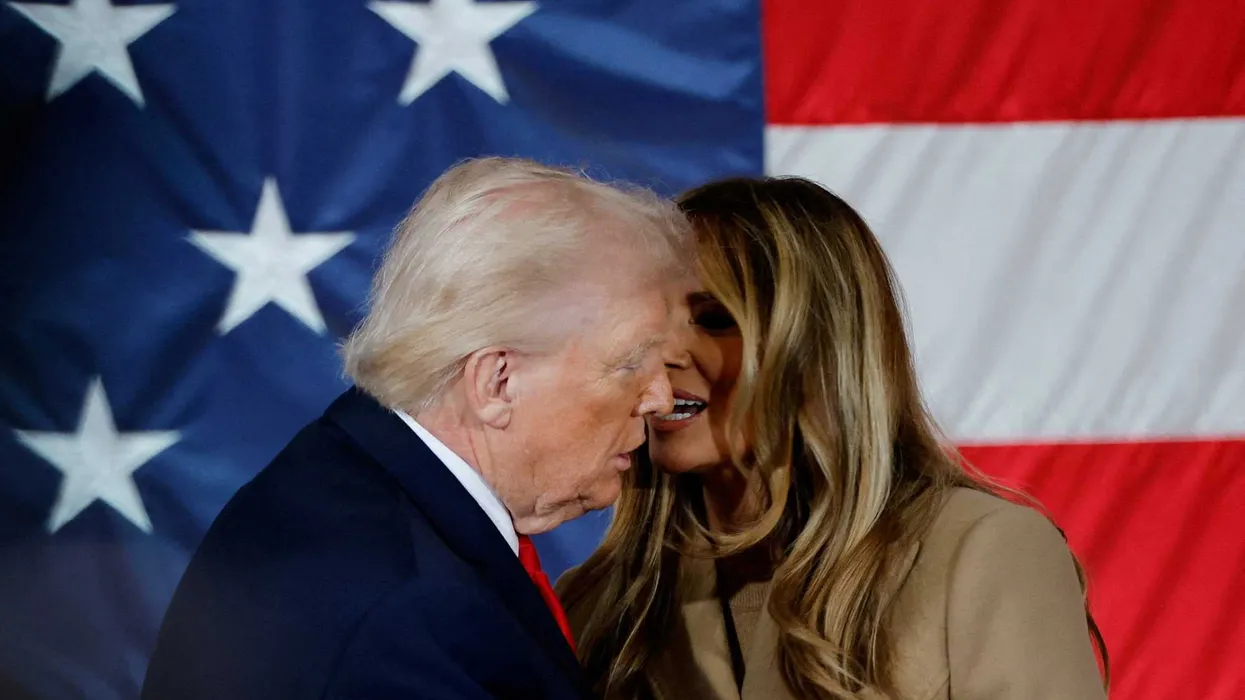
Republican strategists are bracing for what some observers describe as an electoral crisis as voter dissatisfaction hardens ahead of the midterm elections, driven largely by the ongoing Iran War and its economic fallout. Midterm elections have historically served as referendums on the sitting president, and the party holding the White House has lost House seats in most modern midterms—a pattern that amplifies Republican concern given the depth of current disapproval.
According to a report in The Washington Post, voter sentiment—what the article terms "vibes"—is unlikely to shift significantly between now and Election Day, regardless of changing circumstances on the ground. That sentiment, the Post reports, is overwhelmingly negative toward the incumbent party.
A YouGov poll cited in the Post story provides the quantitative backdrop. In October 2018, Donald Trump's net approval among independent voters stood at negative 4. By July 2026, it had fallen to negative 53. During the 2018 midterms, Democrats captured more than 40 House seats. At current trajectories, Republicans are confronting what some have characterized as an "extinction-level event".
The erosion extends beyond independents. The same YouGov data shows that on July 11, Trump's net approval among white Americans without college degrees was zero; by July 25, it had dropped to negative 6. Among those aged 45 to 64, net approval fell from negative 12 on July 11 to negative 29 by July 27. White working-class Gen X voters—once regarded as Trump's most reliable base—have become a significant liability.
Some Republican campaign operatives believe the situation could stabilize if the war ends and gas prices decline. A spokesman for the National Republican Campaign Committee told the Post: "Democrats are strapped for cash, nominating unelectable candidates in key districts, and Republicans are squarely on offense."
However, the president has not moved to end the conflict. The Associated Press reported on what it described as a recurring pattern in Trump's approach to Iran:
It starts with a grim warning to Tehran that [Trump] is on the cusp of ordering US forces to "obliterate" its power plants or seize key parts of its oil industry if its leaders don't quickly agree to US terms. ... It ends with him edging away with a last-minute declaration, sometimes at the behest of Gulf allies, that he's going to give diplomacy more time.
The AP characterized this as a "hardball strategy" that Trump developed during his career in New York real estate, one that aims to create negotiating leverage through pressure and chaos. The tactic, however, faces a significant obstacle in the Iranian government, which the AP noted "believes it holds a higher threshold for strategic pain than Washington."
Nicholas Grossman, a political scientist at the University of Illinois Urbana-Champaign, questioned whether the United States has ever been as weakened by threats as it was during Trump's confrontation with Iran.
"Not only did he make big threats, get nothing, then drop the threats anyway," Grossman wrote. "Iran made big threats and the US backed down in the face of them. No matter how much Trump lies about it, the whole world sees what happened."
In a separate post, Grossman added: "Other than brinksmanship with the USSR, I can't think of any instance of the US backing down in the face of threats to anywhere near the degree Trump just did with Iran. And the Soviet Union was a nuclear-armed superpower! Am I missing any? Or is this the biggest US climb down ever?"
Trump himself has dismissed the polling data. In a post on Truth Social, he wrote: "My REAL Polling Numbers, not those made up by the Fake News Media, are the best they have ever been, and why wouldn't they be...? Don't believe the Radical Left' Fake Poll numbers. They are Crooked and Corrupt, just like the Country Destroying Dumocrats are Crooked and Corrupt."
According to journalist Jeremy Scahill, cited in a Raw Story report, sources indicated that Iranian officials had engaged "senior psychologists" to develop a psychological profile of Trump. The sources reportedly said the Iranians "recognize that we are dealing with a mentally incapacitated individual and we've had senior psychologists work up a psychological profile of what they think is going on with Trump's brain."
House Democrats are also eyeing a majority, according to Punchbowl News, further intensifying pressure on Republican leadership. Control of the House can hinge on a relatively small number of competitive districts, meaning even modest shifts in turnout or preference can determine the balance of power.
For Republicans, the remaining pathways to maintaining control may lie in gerrymandering strategies and outside spending. The New York Times reported on July 30 that Elon Musk has committed tens of millions of dollars toward efforts to suppress Democratic turnout.
Whether these measures will be sufficient to offset the combination of declining approval ratings, an unresolved military conflict, and broad voter discontent remains the central question facing the Republican Party heading into November.

