Peter Schiff Says Strategy Share Sale Cut MicroStrategy Bitcoin Yield by 66%
Key Takeaways
- •Strategy sold 5,429,160 MSTR shares for $544.5 million last week and did not purchase additional Bitcoin.
- •Schiff said Strategy’s Bitcoin Yield has dropped to 4.5%, down from 13.3% on May 25.
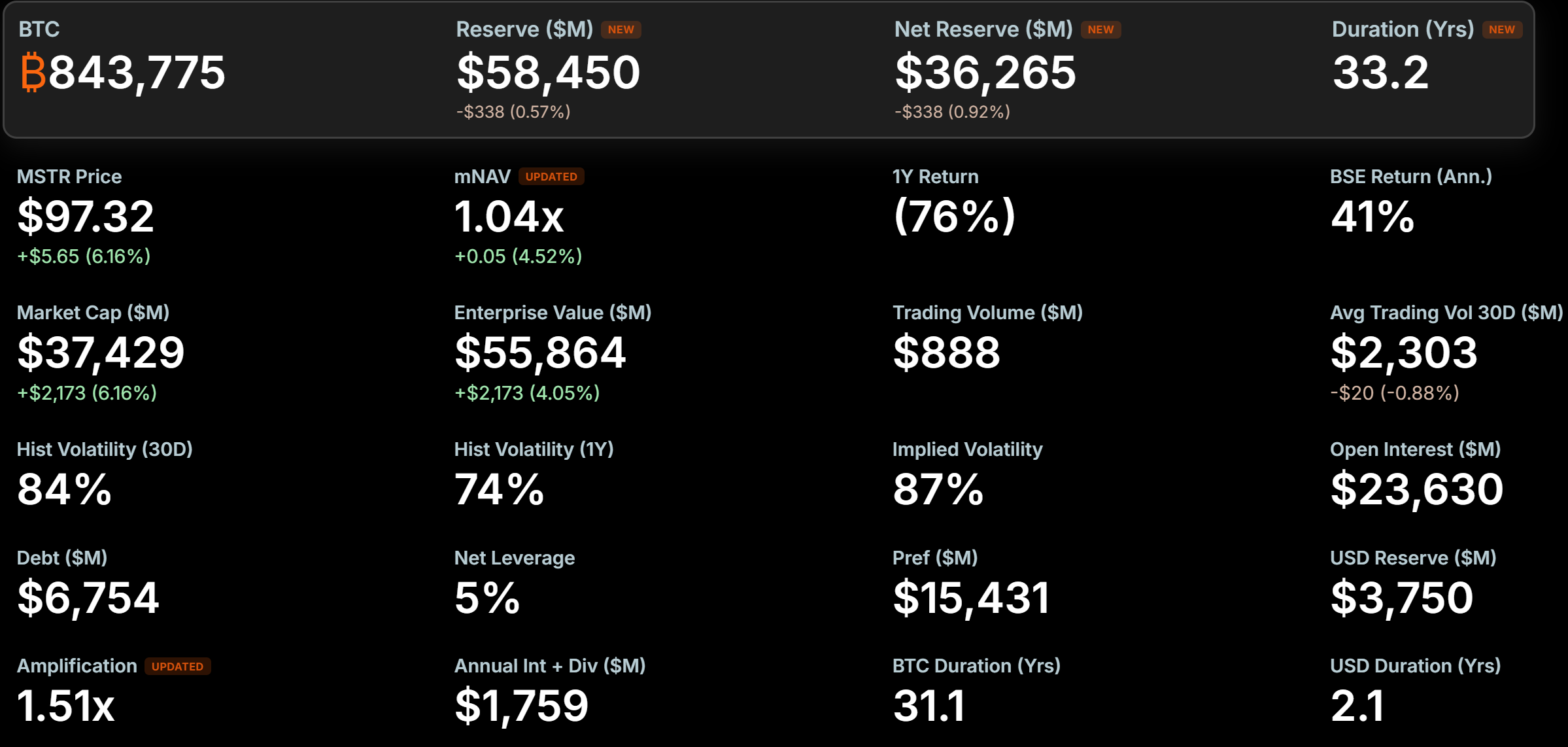
- •Strategy’s Bitcoin holdings remain unchanged at 843,775 BTC, while per-share Bitcoin exposure can decline when new shares are issued without BTC purchases.
- •The company spent $25 million buying back 288,930 STRC shares, reducing annual dividend costs by about $3.5 million.
- •Strategy’s cash reserves rose to $3.75 billion by July 26, covering roughly 25 months of dividend payments.
Peter Schiff is again urging Bitcoin bulls to buy BTC directly rather than Michael Saylor’s Strategy stock, after the company sold $544.5 million of MSTR shares last week and did not purchase additional Bitcoin.
Schiff focused on MicroStrategy’s Bitcoin Yield, which he said has fallen to 4.5% this year from 13.3% in late May. The decline has renewed scrutiny of how Strategy’s share issuance affects the amount of Bitcoin backing each MSTR share. The issue matters because MSTR is widely followed as an equity-market route to Bitcoin exposure, but its per-share Bitcoin exposure can change even when the company’s total BTC holdings do not.
Why MicroStrategy’s Bitcoin Yield Is Falling
Bitcoin Yield measures how much Bitcoin is effectively represented by each MSTR share. When Strategy issues new shares without using the proceeds to buy more Bitcoin, that figure declines.
That is what happened last week. According to Strategy’s 8-K filing, the company sold 5,429,160 MSTR shares, raising $544.5 million, while buying zero bitcoin.
Strategy’s Bitcoin holdings remain at 843,775 BTC. Its Bitcoin Yield was 9.4% on May 3 and rose to 13.3% by May 25. Schiff now puts the figure at 4.5%.
“Why is $MSTR up 7% this morning? Saylor’s latest move reduced the YTD Bitcoin yield to 4.5%. That yield stood at 13.3% on May 25. That’s a 66% reduction in two months! At this rate the 2026 Bitcoin yield will be negative. If you’re bullish, you’re better off just owning Bitcoin,” Schiff said in an X post.
Strategy itself warned about the mechanics of this outcome in its first-quarter 2026 results.
“...if the Company increases Assumed Diluted Shares Outstanding at a faster rate than its bitcoin holdings, then the Company would experience decreased BPS and negative BTC Yield...” Strategy said in its Q1 2026 results.
In simple terms, issuing more shares without adding more Bitcoin can push Bitcoin Yield lower and, under the company’s own disclosure, could lead to negative BTC Yield. BeInCrypto previously covered the trade-off facing MSTR investors earlier on Monday.
STRC Buyback Has Limited Impact on Dividend Costs
Strategy also repurchased some of its preferred shares, known as STRC. STRC is a special class of share that pays holders a fixed 12% annual cash dividend and is designed to trade at $100.
The company paid an average of $86.52 per share, spending $25 million to retire 288,930 shares. That reduces annual dividend obligations by roughly $3.5 million.
However, the reduction is small compared with Strategy’s broader obligations. The company disclosed on June 29 that it owes about $1.76 billion a year in dividends and loan interest under its digital credit capital framework. The STRC buyback trims less than 0.2% from that annual total.
Another $975 million remains available for repurchases. Strategy has said it will not sell new STRC below $100 and cannot use its cash reserve to fund buybacks. The company may sell bitcoin instead. That makes the source of future repurchase funding relevant for common shareholders, because buybacks, share issuance, cash reserves, and Bitcoin sales each affect the capital structure differently.
Cash Reserves Rise Ahead of Second-Quarter Results
Strategy’s cash position has increased quickly. Its cash pile rose from $2.55 billion on June 28 to $3.75 billion on July 26. That amount covers roughly 25 months of dividends, up from 17.4 months.
The Bitcoin position presents a more difficult comparison. Strategy paid an average of $75,476 per coin, while Bitcoin’s current price is near $64,762. The gap is about $8.9 billion.
Losses have already appeared in the company’s financial statements. Strategy reported a first-quarter net loss of $12.54 billion, or $38.25 per share. The company is scheduled to report second-quarter results after the market close on Thursday, July 30. That report is expected to include the official Bitcoin Yield figure, giving investors a company-reported update on the dilution metric at the center of Schiff’s criticism.
Not everyone agrees with Schiff’s assessment. Investor Andrew Webley said Strategy’s preferred shares now cover 2.1 years of payments without new fundraising and described the structure as a major step in Bitcoin corporate finance.
Strategy holds 843,775 Bitcoin – more than 4% of the 21 million BTC that will ever exist. Following today's announcement, they can cover their preferred equity obligations for 2.1 years without raising a single new dollar. What they've built with preferred equity is, in my… — Andrew Webley (@asjwebley) July 27, 2026
Others have questioned STRC’s pricing. A former Goldman Sachs credit specialist argued that STRC may be mispriced by 13%. A June survey found that most holders bought STRC below par.
Schiff remains a long-time Bitcoin critic and advocate of gold. His latest comments are directed at Saylor and Strategy’s capital structure rather than signaling any change in his view of Bitcoin. The central question around Thursday’s report is whether Strategy can move STRC back toward $100 while common shareholders absorb the cost.

