Panama Canal Announces Fourth and Fifth Draft Reductions for 2026 Amid Deepening El Niño
Key Takeaways
- •The Panama Canal Authority will lower the neopanamax maximum draft to 48 feet on August 26 and to 47.5 feet on September 3, marking the fourth and fifth such reductions this year.
- •Daily transit numbers are being maintained despite the tighter draft limits, thanks to water-saving measures implemented in December that the authority says have improved preparedness.
- •The 2023 drought crisis saw drafts cut from 50 feet to 44 feet, daily transits reduced from around 40 to the mid-20s, peak queues exceeding 160 vessels, and one operator paying a record $4 million for a single priority transit slot.
- •The US Climate Prediction Center reports that El Niño is strengthening and has a 97% probability of persisting into early spring 2027, increasing the risk of further restrictions since the pattern typically brings drier conditions to Panama.
- •Any additional draft reductions could force neopanamax containerships and gas carriers to lighten cargo loads or divert to longer routes, with the canal handling roughly 5% of global maritime trade.
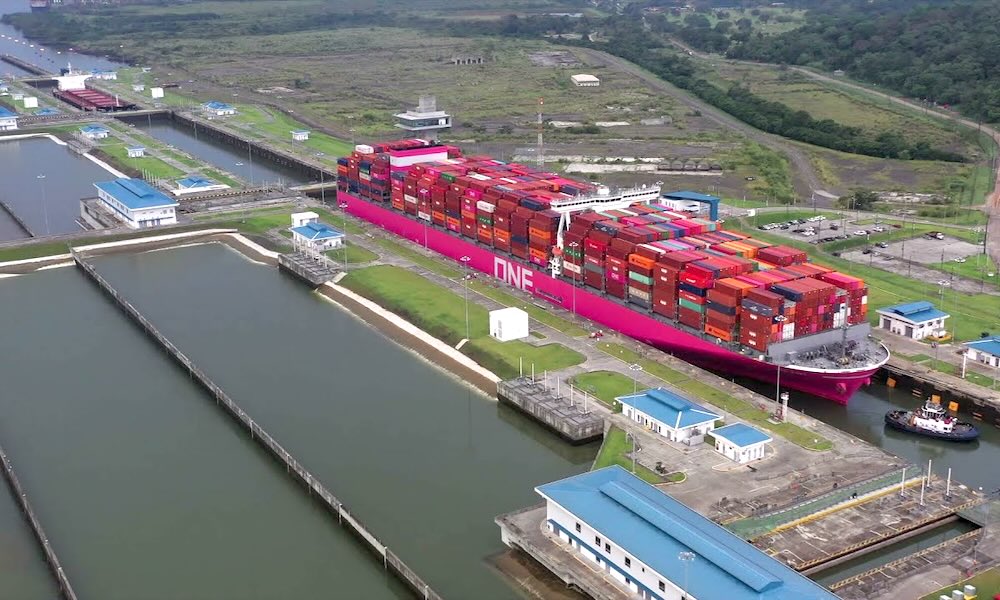
The Panama Canal Authority has announced two additional draft reductions at its neopanamax locks, responding to declining water levels in Gatun Lake and a strengthening El Niño pattern that has raised concerns reminiscent of the severe disruption experienced across 2023 and 2024.
Starting August 26, the maximum authorised draft for vessels transiting the neopanamax locks will be lowered to 48 feet (14.63 metres). A further reduction to 47.5 feet (14.48 metres) will take effect from September 3 and remain in place until further notice. The authority stated that the adjustments are based on current lake levels and projected hydrological conditions. Gatun Lake serves as the canal's primary freshwater reservoir, and each lock operation consumes millions of gallons of water that cannot be readily replenished during dry periods.
These represent the fourth and fifth draft modifications implemented this year, following earlier limits of 49 feet effective July 24 and 48.5 feet effective August 15.
Despite the tighter draft restrictions, the Panama Canal Authority confirmed that daily transit numbers will be maintained. Officials attribute this to water-saving measures introduced in December, which they say have left the canal better prepared than during the previous drought period. The authority continues to monitor lake levels and weather forecasts for any indication that additional restrictions may be necessary.
The shipping industry retains difficult memories of the last El Niño event. During the 2023 drought, the canal was forced to reduce the neopanamax draft from its standard 50 feet down to 44 feet and cut daily transits from approximately 40 to the mid-20s. At the peak of the crisis, queues surpassed 160 vessels, with delays extending beyond two weeks. One operator paid a record $4 million at auction for a single priority transit slot, while many owners diverted ships onto longer routes as transit costs and scheduling uncertainty surged.
That disruption persisted well into 2024. It was only after sustained rainfall that the canal was able to restore a 48-foot draft and gradually bring daily capacity back toward normal levels.
The current climate outlook offers little reassurance. The US Climate Prediction Center reports that El Niño is strengthening and carries a 97% probability of persisting into early spring 2027. Since El Niño typically brings drier conditions to Panama, the risk of further restrictions remains.
While the canal authority characterises the latest measures as precautionary and reaffirms that transit volumes will not be affected, any additional draft reductions could compel neopanamax containerships and gas carriers to reduce cargo loads or seek alternative routing options. The canal handles roughly 5% of global maritime trade, and the neopanamax locks accommodate the largest vessels transiting the waterway, meaning even modest draft reductions can translate into meaningful per-vessel cargo losses.
Source: Splash247
