Africa’s energy crisis could hit digital infrastructure hardest, MTN leaders say
Key Takeaways
- •Africa’s digital transformation depends on reliable electricity for data centres, telecom towers, cloud services, and AI infrastructure.
- •Only 1.2% to 3.8% of Africa’s 1 billion connections currently have active 5G access, despite launches in roughly 29 countries and by more than 50 operators.
- •Mcebisi Jonas and Ishmael Yamson said fragmented regulations across about 5 to 15 legal frameworks hinder African companies operating across borders.
- •The chairmen urged governments to support regional multinationals, unify policies on telecoms, power, and data sovereignty, and improve free movement of labour and talent.
- •Yamson said Africa contributes less than 3% to global innovation and warned that this will not improve if bottlenecks continue.
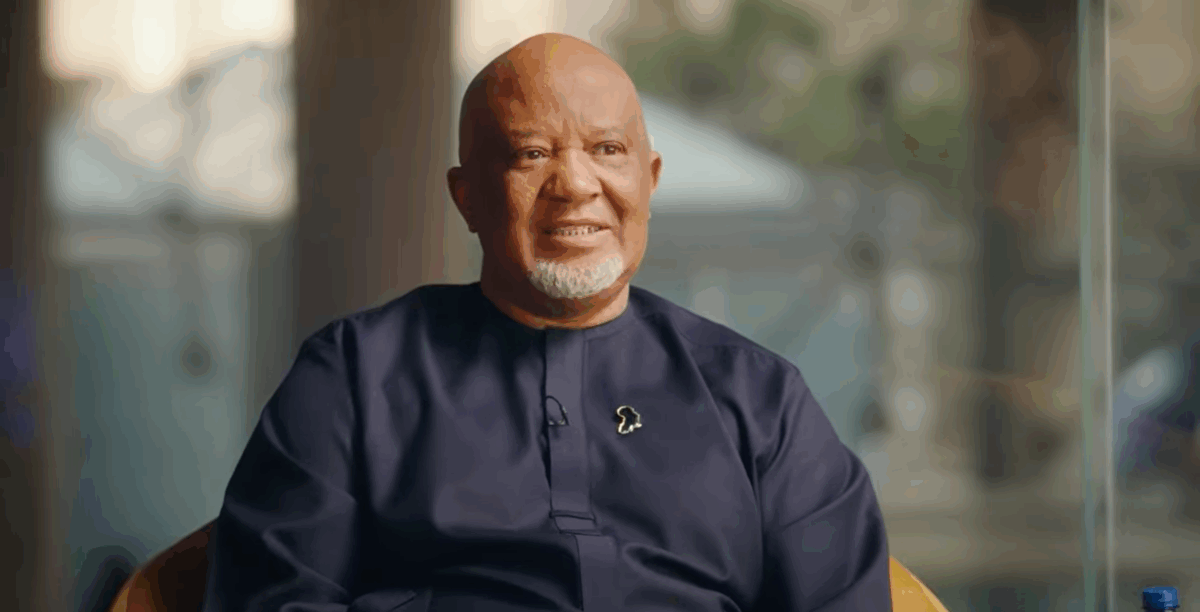
In the latest MTN Chair episode, Africa’s energy crisis, economic dependence, and fragmented regulatory environment dominated the discussion. A central theme was how the continent’s future is being constrained by persistent digital deficits, even as demand for connectivity and data services continues to rise.
Africa’s digital transformation, which spans data centres, telecom towers, submarine cable connections, cloud computing, high-speed internet, and artificial intelligence, depends on reliable electricity generation and grid distribution. Alternative power sources such as solar panels and diesel generators are available, but their limited capacity and high operating costs make them unreliable as long-term solutions.
With more than 600 million unique mobile subscribers and over 1.1 billion total mobile phone subscriptions across the continent, Africa’s mobile connectivity continues to expand, driven by a young population and rising demand for data. Even so, the continent still faces structural gaps.
Those challenges were highlighted by Mr. Mcebisi Jonas, MTN Group Chairman, and Dr. Ishmael Yamson, MTN Ghana Chairman. Both said Africa’s persistent power deficit poses a major threat to its technological ambitions, alongside fragmented regulatory regimes and a lack of unity.
Data centres and telecom towers require stable electricity to operate at full capacity. According to the two chairmen, the continent cannot build a digital and AI-driven economy, or host sovereign data centres, on diesel generators and unstable grids. That matters because the cost and reliability of core infrastructure shapes whether digital services can scale beyond major urban centres and support broader economic activity.
“Digitalisation thrives and depends on energy,” Jonas said, calling for energy independence. He added that “the continent is in a crucial and crossroad position. Africa needs to look at how we achieve energy independence because energy seriously drives growth.”
Although mobile 5G services now operate in roughly 29 African countries and have been launched by more than 50 mobile operators as of January 2026, only 1.2% to 3.8% of Africa’s 1 billion connections have access to active 5G. The network has existed since 2019. Infrastructure deficits, power supply gaps, and weak fibre-optic cable networks continue to slow broadband expansion across the continent.
Jonas said that if Africa wants to build an internet economy capable of driving Pan-African prosperity, it must treat energy independence and regulatory harmonisation as foundational parts of its digital future, not as separate policy goals. He also pointed to long-standing dependence on a single submarine cable repair firm, which has left millions of Africans disconnected or without quality service when multiple cuts occur.
While large companies such as Dangote Refinery, Exxon, and others in development are working to help close the gap, Africa still needs abundant energy and infrastructure supply to thrive digitally.
At the recent African Telecommunications Union (ATU) Conference of Plenipotentiaries (CPL-26) in Abuja, regulators from across the continent were urged to adopt evidence-based and unified regulation to address shared challenges. During the roundtable discussion, participants said the continent’s digital infrastructure problems are common and that proven solutions should be applied consistently.
To achieve true independence, both MTN chairmen said, Africa must move toward “one Africa.” They argued that differences in regulatory environments create strict technical requirements and difficult market conditions for companies operating in more than one or two African countries.
Companies such as Stanbic IBTC, MTN, Airtel, and Dangote operate across multiple African borders, but they do not experience “one Africa.” Instead, they must navigate about 5 to 15 very different and conflicting regulatory frameworks. According to the two chairmen, working through those mismatches and bureaucratic delays often weakens multinational scalability.
“Africa cannot compete globally when its largest corporations operate in 15 distinct legal silos within the same continent,” Yamson said.
He added that while European or U.S. technology firms can scale more easily across large unified markets, African multinationals often spend millions aligning with different national policies.
Yamson also warned that innovation is at risk. He said Africa contributes less than 3% to global innovations and added that this will not change if local capital and homegrown multinationals continue to face these bottlenecks.
He called for policy unification across telecoms, power grids, and data sovereignty laws, saying that such alignment is necessary to create a robust digital market.
In building a “one Africa,” both MTN chairmen said governments should provide greater support to their own multinationals rather than to foreign companies. They said governments should view regional champions as strategic engines for continental development, not as threats.
They also said Africa needs leadership similar to the world’s G5 and G7, with strong voices from major economies such as Nigeria, South Africa, Egypt, and Kenya to align macroeconomic and trade policies.
The chairmen further said free movement of labour and talent, similar to the European Union, must also become a reality across Africa. They noted that Seychelles, Benin, The Gambia, Rwanda, and others have already adopted frameworks, but said Africa cannot build a global tech ecosystem if its talents, engineers, and experts face severe visa hurdles when working across borders.
