Kakao Opts for Consumer AI Services Over Infrastructure, Eyeing 2027 Monetization
Key Takeaways
- •Kakao has decided not to invest in AI infrastructure such as data centers or GPU cloud services, concluding it would not yield a meaningful competitive advantage.
- •The company will focus on integrating AI-driven consumer services into KakaoTalk, including agentic commerce features for shopping, reservations, and payments without leaving the app.
- •Kakao reported record-breaking Q2 results with operating profit of 277 billion won ($196 million), up 36 percent year-on-year, and revenue of 2.1 trillion won, up 9 percent.
- •A new partnership with Coupang Eats enables in-app food ordering within KakaoTalk and will serve as a template for expanding AI services across additional daily-use categories.
- •Kakao aims to complete groundwork for its AI service rollout by the end of 2024 and begin meaningful monetization in 2027 through transaction commissions and potential subscription tiers.
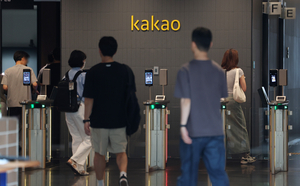
Kakao has decided against entering the capital-intensive AI infrastructure sector, choosing instead to focus on consumer-facing AI services integrated into KakaoTalk, its flagship mobile messaging platform used by the vast majority of South Korea's population.
During its second-quarter earnings call on Thursday, the South Korean platform operator revealed it had evaluated AI data centers and GPU cloud services but determined they would not provide a meaningful competitive edge. The decision sets Kakao apart from both global peers such as Microsoft, Google, and Amazon — which are pouring tens of billions into AI infrastructure — and domestic rival Naver, which has been building out its own AI cloud capabilities.
"We determined that the infrastructure layer is not where Kakao can become most competitive in the AI era," said CEO Chung Shin-a. "Kakao has built its success on creating business-to-consumer services that become deeply embedded in users' daily lives."
Chung cited the heavy capital demands and uncertain return on investment as additional factors. "AI infrastructure requires significant upfront investment as well as continued capital expenditure," she noted.
Rather than building infrastructure, Kakao plans to develop AI capabilities that can interpret users' intentions and assist them with shopping, reservations, and payments without leaving the KakaoTalk app. The strategy effectively aims to deepen KakaoTalk's role as a super app — a model pioneered by China's WeChat — by embedding AI-driven transactional features directly into the messaging experience.
"We believe concentrating our capabilities on the B2C (business-to-consumer) segment offers the greatest potential to deliver the rapid growth our shareholders expect," Chung said.
The company aims to lay the groundwork for widespread service adoption by the end of this year and begin meaningful monetization in 2027.
A central pillar of the revenue strategy is agentic commerce. KakaoTalk's AI will recommend products and services based on user conversations and preferences, then facilitate direct purchases or bookings. Kakao intends to earn commissions on these transactions and is also exploring subscription tiers for personalized AI features.
The approach leverages KakaoTalk's established presence in advertising, commerce, and payments — sectors that contributed to Kakao's record-breaking quarterly performance.
Second-quarter operating profit climbed 36 percent year-on-year to 277 billion won ($196 million), while revenue rose 9 percent to 2.1 trillion won. Both figures represented all-time quarterly highs. Platform revenue increased 17 percent to 1.23 trillion won.
Revenue from Talk Biz, Kakao's core messenger-based business segment, grew 12 percent to 643.2 billion won. Advertising and subscription revenue advanced 14 percent to 399.9 billion won, driven by a 20 percent increase in business messaging and a 28 percent surge in KakaoTalk display advertising.
Commerce revenue, which includes Kakao's gifting service, rose 10 percent to 243.2 billion won, with self-purchases by users jumping 39 percent.
Other platform businesses, encompassing mobility and payments, reported a 22 percent revenue increase to 587 billion won. Kakao noted that its payments unit delivered robust growth in financial services, with payment and platform services sustaining double-digit gains.
Kakao also announced a partnership with food delivery platform Coupang Eats, enabling users to order and pay for meals directly within KakaoTalk without switching applications. The company intends to use this collaboration as a template for broadening KakaoTalk's AI ecosystem into additional everyday services, including commerce, reservations, travel, and payments.
Source: Korea Herald Business

