Iran Imposes Hormuz Transit Tolls With Crypto Payment Options, Grants Russia Full Exemption
Key Takeaways
- •Iran began enforcing transit tolls on commercial ships in the Strait of Hormuz in mid-March 2026, with reported rates between roughly $1 per barrel and $2 million per vessel.
- •Russian vessels are fully exempt from the charges, while China and other nations deemed friendly receive special considerations under the toll framework.
- •Toll payments can be settled using Chinese yuan, Bitcoin, or stablecoins such as USDT, processed through intermediaries connected to the IRGC.
- •The Strait of Hormuz facilitates approximately 20% of all global oil shipments, and China routes an estimated 45 to 50% of its crude oil imports through it.
- •Western intelligence agencies are expected to increase blockchain monitoring of IRGC-linked wallets, and OFAC has previously sanctioned cryptocurrency addresses tied to Iranian actors.
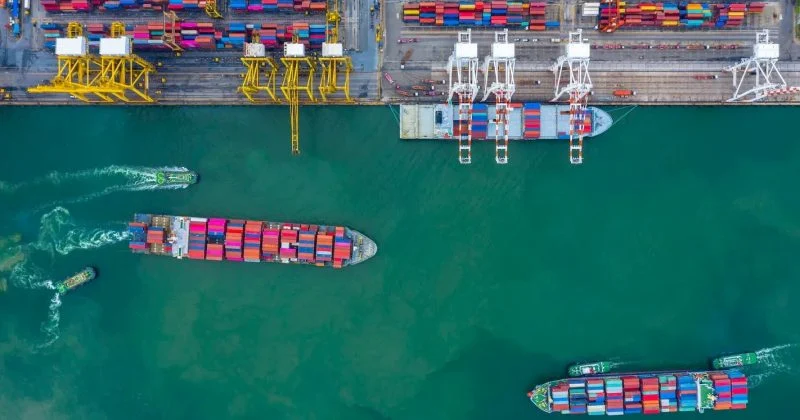
Iran has introduced a new toll system for commercial vessels transiting the Strait of Hormuz, one of the world's most strategically significant maritime chokepoints, while granting full exemptions to Russia and preferential terms to China. The framework accepts Bitcoin and stablecoins such as USDT as payment, processed through intermediaries connected to the Islamic Revolutionary Guard Corps (IRGC).
The move leverages Iran's geographic control over a waterway that has no practical alternative route for Gulf oil exports. Iran has periodically threatened to close the strait during past conflicts, but imposing a formalized toll regime represents a different approach — monetizing transit rather than blocking it.
Toll Implementation and Allied Preferences
Beginning in mid-March 2026, Iran started enforcing transit tolls on commercial ships navigating the Strait of Hormuz, through which approximately 20% of all global oil shipments pass. Reported toll rates range from about $1 per barrel to as much as $2 million per vessel.
Under the United Nations Convention on the Law of the Sea (UNCLOS), ships normally enjoy transit passage rights through international straits. However, Iran is not a party to UNCLOS and has long asserted its own interpretation of maritime jurisdiction in the strait, a position most countries do not recognize.
On April 24, 2026, Iranian Ambassador to Russia Kazem Jalali announced that Russian vessels would be fully exempt from the new charges. On July 5, 2026, Iran's Ambassador to China confirmed that nations deemed friendly would receive special considerations under the toll regime.
China routes an estimated 45–50% of its crude oil imports through the Strait of Hormuz, underscoring the waterway's importance to Beijing's energy security.
Cryptocurrency Payment Mechanism
Toll payments can reportedly be settled in Chinese yuan, Bitcoin, or stablecoins including USDT. These transactions are facilitated by intermediaries with ties to the IRGC. The cryptocurrency payment channel has been operational since mid-March 2026, launched concurrently with the broader toll enforcement.
The use of cryptocurrency is consistent with patterns observed by blockchain analytics firms: both Iran and Russia have increasingly turned to digital assets as a means of conducting trade under Western sanctions, which restrict their access to the SWIFT international banking system and dollar-based settlement.
Broader Implications
For global energy markets, the toll regime adds a new cost layer for vessels from non-allied countries. Even at the lower end of the reported range — approximately $1 per barrel — the cumulative financial impact across the millions of barrels transiting daily is significant for tanker operators. Whether non-exempt nations will pay, reroute, or challenge the tolls through diplomatic and naval channels remains an open question; the United States has historically maintained a naval presence in the region to ensure freedom of navigation.
Bitcoin transfers into wallets linked to the IRGC are expected to draw heightened blockchain monitoring from Western intelligence agencies, potentially resulting in additional address blacklisting across major cryptocurrency exchanges. The U.S. Treasury's Office of Foreign Assets Control (OFAC) has previously sanctioned cryptocurrency addresses associated with Iranian actors.
The development also complicates the risk assessment for institutional cryptocurrency investors, as the same digital assets underlying regulated exchange-traded funds are simultaneously being used to facilitate transactions involving sanctioned entities.

