India's Steel Industry Risks Losing Global Edge by Turning Inward
Key Takeaways
- •Indian steelmakers are redirecting more output toward the domestic market as export channels face tighter controls in Europe and Britain.
- •Chinese steel is currently $52-$63 per ton cheaper than comparable Indian grades, according to industry executives and analysts cited in the article.
- •India extended anti-dumping duties on certain Chinese tubes and pipes through January 27, 2027, to protect domestic manufacturers.
- •The article says overreliance on a protected domestic market could reduce incentives for Indian steelmakers to improve efficiency and compete globally.
- •Higher domestic steel prices could increase input costs for downstream sectors such as machinery and electronics components.
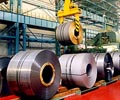
India's steel sector finds itself at a critical juncture. According to a Reuters report published Tuesday, Indian steelmakers are shifting their focus toward the domestic market to compensate for declining exports, as major destinations such as Europe and Britain tighten import controls. However, the domestic market may provide limited respite. Industry executives and analysts note that Chinese steel is currently priced $52–$63 per ton below comparable Indian grades, making it increasingly difficult for domestic mills to absorb the output redirected from export channels.
This strategic pivot toward the domestic market seems less like a deliberate effort to fortify India's steel industry and more like a reactive measure driven by intensifying export pressures. Retreating in this manner is unlikely to enhance the sector's global standing. On the contrary, heightened dependence on domestic demand could leave the industry more exposed as worldwide competition escalates.
The broader global industrial landscape is undergoing a significant structural shift. The established model of recent decades—in which developing economies functioned as manufacturing hubs while advanced economies served as the primary consumer markets—is being disrupted by a series of trade restrictions introduced in certain developed economies. Simultaneously, developing economies are commanding a growing share of global trade and investment. Deepening commercial ties among developing nations have emerged as a prominent trend, potentially opening new avenues amid persistent uncertainty in international trade. For industrial producers, these evolving supply chains may present opportunities to diversify into markets beyond traditional destinations.
India ranks as the world's second-largest crude steel producer, behind only China—a position built on years of sustained industrial development and sector investment. Steel is also a foundational input for infrastructure, construction, machinery and manufactured goods, so the sector's competitiveness can influence a much broader industrial base. Should the pressure that Indian steelmakers encounter in traditional European markets prompt a wider pursuit of export opportunities and stronger engagement with emerging markets, where trade linkages continue to deepen, the industry could ultimately emerge more resilient on the global stage.
Diversifying trade partnerships and penetrating new markets is inherently challenging. These difficulties tend to be most acute during the initial phases of such transitions, especially given that competition across emerging markets remains fierce. Retreating to the domestic market may grant Indian steelmakers temporary relief by limiting their exposure to international competition. Yet opting for the path of least resistance may deliver only an illusory sense of security, achieved at the cost of long-term competitiveness.
On July 10, Indian news agency PTI reported that India had extended its anti-dumping duty on certain Chinese tubes and pipes through January 27, 2027, aimed at shielding domestic manufacturers from what it described as "cheap" imports. This decision offers a notable signal as India weighs how much protection its steel industry truly requires. While such policy measures can deliver short-term relief, excessive protectionism carries the risk of diminishing steelmakers' incentives to enhance operational efficiency and compete effectively in international markets, including against Chinese suppliers.
If domestic producers grow excessively dependent on a protected market and sustain elevated prices, the repercussions could extend far beyond the steel sector. Higher steel costs may eventually ripple through supply chains, raising input expenses for a wide range of downstream manufacturers—from machinery producers to electronics component makers. That makes the balance between trade remedies and competitive discipline an important issue not only for steel mills, but also for industries that depend on steel as a core material.
This is not to suggest that Indian steelmakers should abandon the domestic market; rather, they should not be insulated from competition altogether. A genuinely competitive domestic environment—one that includes fair competition with international players such as Chinese firms—could incentivize companies to improve efficiency, adopt advanced technologies, and bolster their overall competitiveness.
India's steel market holds considerable potential, yet it may lack the capacity to absorb the output of the world's second-largest crude steel producer indefinitely. For Indian steelmakers, international expansion and trade-partner diversification will remain essential components of sustainable growth. The key issue to watch is whether the industry uses the current pressure from tighter import controls abroad to accelerate market diversification, or instead becomes more reliant on domestic protection.
If Indian steelmakers are unable to withstand competition from Chinese companies within their own domestic market, competing in third-country markets will prove even more daunting. Establishing a robust international presence will demand that they compete on merit rather than rely on protective barriers. By cultivating stronger supply chain linkages and gaining access to a broader array of markets, India's steel industry can translate its scale into a lasting competitive advantage.
Source: Global Times

