Olympian David Hearn Seeks Permanent Dismissal of Reflecting Pool Case, Citing Political Motivation and Retaliation Risk
Key Takeaways
- •David Hearn's attorneys filed a motion to dismiss vandalism charges with prejudice, citing political motivation and the risk of re-prosecution by the Trump administration.
- •U.S. Attorney Jeanine Pirro determined the case lacked merit after evidence pointed to installation failures rather than vandalism as the cause of Reflecting Pool damage.
- •A National Parks Service assessment completed before the indictment documented preexisting peeling and damage at numerous locations throughout the pool.
- •Government witnesses conceded in mid-July that photographs of the damage were taken before Hearn touched the water, undermining the case against him.
- •Hearn's legal team is considering civil suits, bar referrals, sanctions, and congressional investigations as potential remedies for his prosecution.
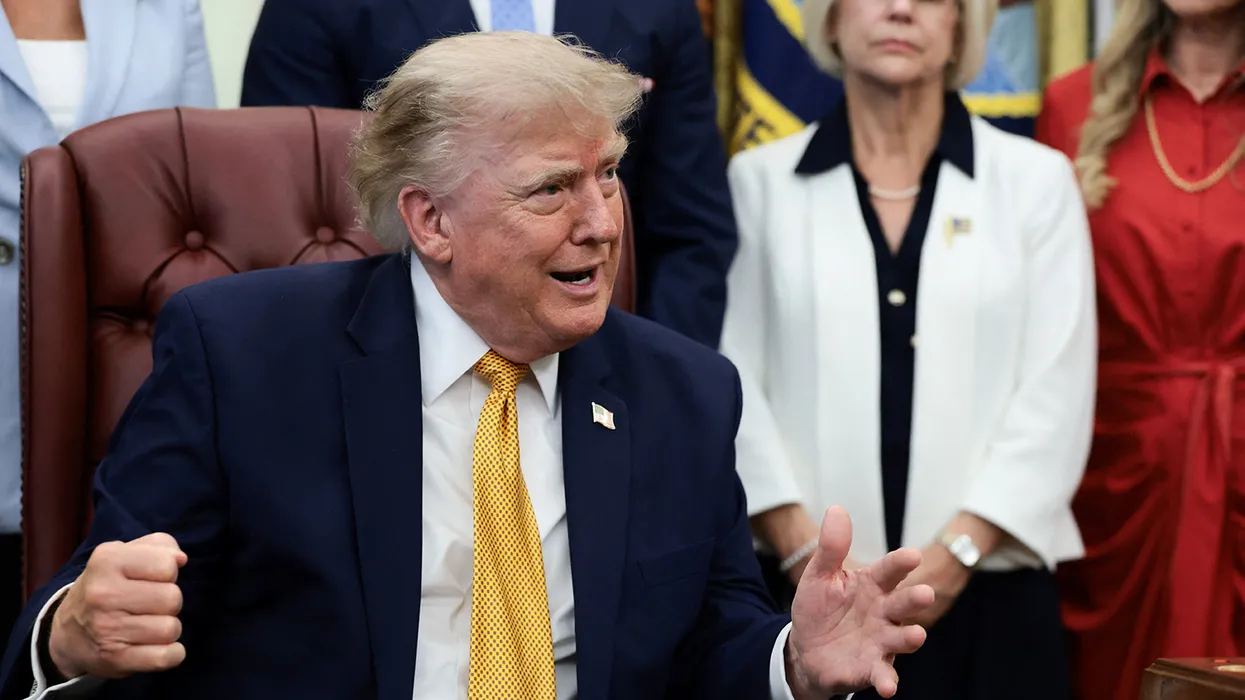
Attorneys for Olympian David Hearn, who has been facing vandalism charges connected to the Lincoln Memorial Reflecting Pool, filed a motion on Wednesday morning to dismiss the case "with prejudice," asserting that President Donald Trump may attempt to pursue charges against him again.
Lawfare editor Roger Parloff reported the filing via X (Twitter), sharing a screenshot of the motion. "Reflecting Pool defendant David Hearn, responding to Judge Jeanine [Pirro's] conduct after filing a motion to dismiss, seeks dismissal with prejudice. Trump's [and Secretary of the Interior Doug] Burgum's conduct after dismissal show case's political motivation and danger of harassment and re-prosecution," Parloff wrote. Link
In the motion, Hearn's legal team contends the prosecution was "motivated by political considerations." They note that both Trump and Interior Secretary Doug Burgum "publicly attacked" U.S. Attorney Jeanine Pirro's decision to seek dismissal after she determined the case lacked merit. Hearn's attorneys argue that the Department of Justice has "repeatedly demonstrated its willingness to seek or reinstate criminal charges to satisfy the president, irrespective of the law or facts." Citing "this risk of harassment and bad faith," they requested a "dismissal with prejudice," which would permanently close the case and bar prosecutors from refiling the same charges—a remedy courts typically reserve for instances of prosecutorial misconduct, bad faith, or constitutional violations.
The prosecution unraveled in dramatic fashion in recent days after Pirro acknowledged that the evidence pointed to installation failures—not vandalism—as the cause of the Reflecting Pool damage. Trump expressed outrage at the outcome, telling reporters that Pirro "choked" and "folded like an umbrella," and asserting he was "100 percent" certain the damage resulted from vandalism. His public comments underscored the unusual dynamic of a president directly pressuring DOJ prosecutors over a specific criminal case.
Hearn's attorneys cite a National Parks Service assessment completed prior to the indictment that undercuts Trump's claims. The assessment documented preexisting peeling and damage at "numerous locations throughout the pool" and suggested that any vandalism was "possible" but occurred "after initial peeling." This discrepancy has been a central issue for weeks. In mid-July, the government's own witnesses conceded that photographs of the damage were taken before Hearn touched the water, raising questions about how he could have been responsible. Hearn has acknowledged touching the water and the torn pool liner but stated he did so only to inspect preexisting damage.
Hearn's attorneys now say "all options are on the table" regarding recourse for his arrest. According to the Guardian, attorney Steven Levin stated that Hearn "has a number of potential remedies" following a prosecution tied to damage now attributed to a contractor's faulty work. Those remedies could include "civil suits, bar referrals for the prosecutors involved, request for sanctions and reimbursement of attorneys' fees and expenses," as well as requests for investigations by government entities including Congress.
