Republican Pushback Against Trump Grows as Post-Trump Party Questions Intensify
Key Takeaways
- •Senators John Cornyn and Thom Tillis opposed a Justice Department anti-weaponization fund and a tax audit immunity deal connected to an IRS settlement with the Trump family, marking notable Republican dissent.
- •Senate Majority Leader John Thune has stated repeatedly that there are not enough votes in the Senate to pass Trump's SAVE America Act, which would impose new voter ID requirements.
- •Much of the Republican opposition to Todd Blanche's attorney general nomination came from lawmakers who are already leaving Congress due to disagreements with the president.
- •Trump has functionally lost working majorities in both chambers of Congress as a result of his endorsement decisions and broader changes in congressional makeup.
- •Despite growing pushback from GOP lawmakers, Trump continues to hold strong support among the Republican base and his endorsement remains highly influential across the ballot.
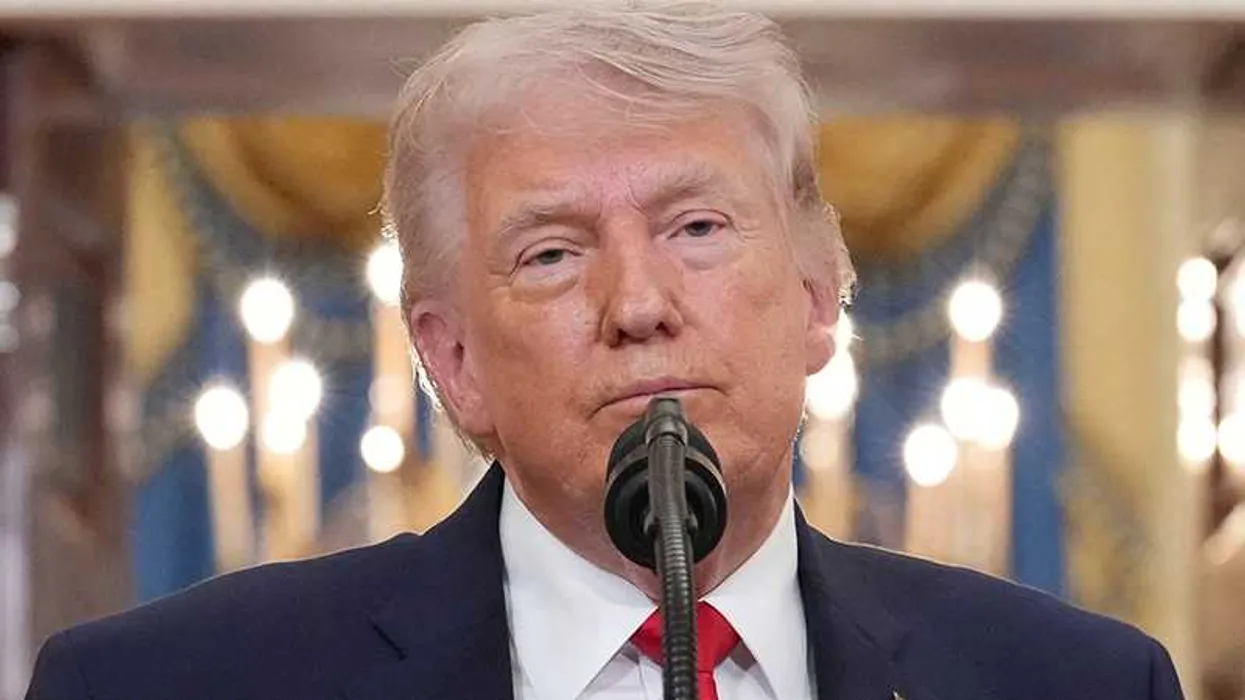
Questions about what the Republican Party will look like after Donald Trump are becoming increasingly urgent, according to a USA Today congressional correspondent who says some GOP lawmakers are "absolutely" distancing themselves from the president.
Zach Schermele, who covers Congress for USA Today, appeared on the Tuesday edition of the outlet's podcast, "The Excerpt," where host Dana Taylor pressed him on the multiple ways Republicans in Washington appear to be breaking with President Trump to a greater extent than at any previous point in his second term.
Schermele pointed to the resistance against Todd Blanche's nomination as attorney general as "one of the most notable signs of Republican pushback" on an issue Trump regarded as a "big priority." Blanche previously served as Trump's personal defense attorney in his criminal hush-money case before being tapped for the Justice Department role. Schermele noted, however, that much of that opposition came from lawmakers who are already departing Congress due to conflicts with the president.
"John Cornyn, a Republican senator from Texas, and Tom Tillis, a Republican senator from North Carolina, both really dug their heels in on two things, the so-called anti-weaponization fund that was set up by the Justice Department as part of an IRS settlement with the Trumps and a tax audit immunity deal that was the source of a lot of consternation within the Senate Republican Conference," Schermele explained. Cornyn, a former Senate majority whip with deep institutional ties within the conference, and Tillis, who sits on the Judiciary Committee, represent a tier of senior Republicans whose dissent carries particular weight given the party's narrow Senate margin. "And it was really a bridge too far for a lot of Senate Republicans that I spoke to both on the day that it was announced, the weaponization fund and continuing onward... And it was a testament to just how much a little bit of pushback, especially from a Senate Republican, can go."
Taylor also asked whether the "hesitant" response from certain Republicans to Trump's SAVE America Act — which would impose new voter ID requirements — signaled a "growing disconnect between the President and Congressional Republicans."
"It absolutely does," Schermele responded. "And Senate Majority Leader John Thune, who is sort of on the outs with the President right now, although they both maintain that they have a good working relationship and Thune enjoys a lot of support within the Senate Republican Conference, he has said repeatedly that the votes just are not there in the Senate in order to pass the Save America Act."
While such disagreements are multiplying, Schermele emphasized that the long-term implications remain uncertain when asked about "early signs of a post-Trump Republican Party beginning to emerge," noting that the picture would not become clear until after the midterm elections.
"I think that is the question that's going to be explored increasingly over the course of the next two years, especially after the midterm elections and whether or not the President is able to retain control of both chambers of Congress," he said. "I mean, functionally, because of the decisions that this President has made with respect to endorsing or not endorsing certain candidates and other broader changes that have happened in the makeup of Congress, he's already sort of lost truly functioning majorities in both chambers. If he still had functioning majorities, he would've been able to pass these other priorities that he's had for months now..."
He continued: "And so the question over the course of the midterm elections and in the aftermath is going to be, what does the Republican Party look like post-Donald Trump? And is it something that Republicans are going to be running on the priorities that Donald Trump championed over the course of his first two years? Running on the Big, Beautiful Bill and other legislative wins in Congress, or are they going to be looking for areas in which they disagree with the President? But something that we have to keep in mind while having this conversation is that he still retains a broad amount of support among the base of the party and his endorsement is exceedingly powerful among Republicans up and down the ballot. And so the degree to which this party changes over the course of the next year or two is something that remains to be seen."

