Fed's Musalem Signals US Labor Market Strong, Near Full Employment
Key Takeaways
- •St. Louis Fed President Alberto Musalem characterized the U.S. labor market as strong and near full employment in his latest assessment.
- •Unemployment rates have stabilized between 4.2% and 4.4%, with payroll growth described as solid but modest.
- •Inflation remains above the Federal Reserve's 2% target, continuing to factor into the central bank's monetary policy deliberations.
- •The Federal Reserve began its current rate-cutting cycle in September 2024 with a half-percentage-point reduction.
- •Following Musalem's remarks, market pricing indicated a modest increase in the likelihood of a rate hike by the Fed's September 2026 meeting.
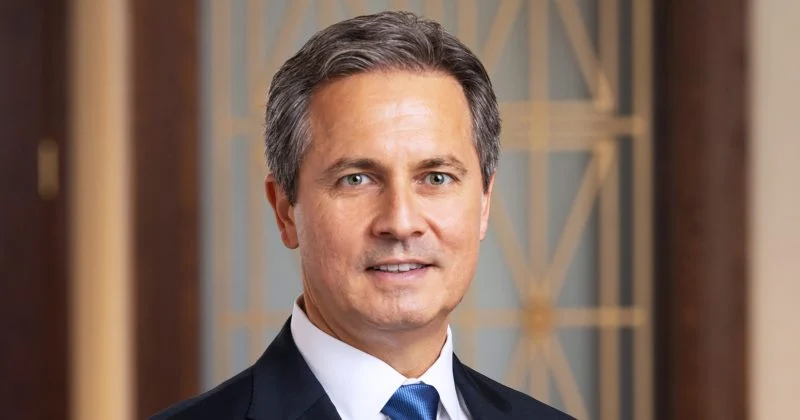
Alberto Musalem, President and CEO of the Federal Reserve Bank of St. Louis and a 2025 voting member of the Federal Open Market Committee, has stated that the U.S. labor market is in strong condition and operating near full employment, suggesting the central bank is maintaining focus on its dual mandate of price stability and maximum employment.
Musalem's remarks come amid a labor market that has stabilized in recent months following a period of gradual cooling from the post-pandemic hiring surge. Unemployment rates have been hovering between 4.2% and 4.4%, while payroll growth has been described as solid but modest. His characterization of the job market as near full employment aligns with the Fed's own assessment that there is less immediate weakness on the employment side, which reduces the urgency surrounding the labor component of the central bank's mandate.
This perspective is being weighed alongside persistent inflation concerns. Inflation remains above the Federal Reserve's 2% target, which continues to factor into the central bank's monetary policy deliberations. The Fed began its current rate-cutting cycle in September 2024 with a half-percentage-point reduction, and the interplay between sticky inflation and a sturdy labor market has shaped the pace of subsequent moves.
Musalem's comments appear to support the notion of a resilient labor market, a signal that could carry implications for future interest rate decisions. The stability of the unemployment rate is consistent with the Fed's near-full-employment assessment, lessening immediate concerns about labor market deterioration.
Following Musalem's remarks, market pricing indicated a modest increase in the likelihood of a rate hike by the Federal Reserve's September 2026 meeting.
What to Watch
The Federal Reserve's upcoming meetings in September and October will be closely watched for any shifts in monetary policy. Observers are expected to monitor changes in the Fed's language and incoming data releases that could influence expectations around future rate moves.
Key indicators to track include inflation trends, unemployment figures, and any substantial shifts in labor market dynamics. Statements from Fed Chair Jerome Powell and other voting members of the Federal Open Market Committee may provide further clarity on the central bank's approach to balancing its inflation and employment objectives.
