White House Declassifies FBI Probe Examining Whether Trump Acted as Russian Asset When Firing Comey
Key Takeaways
- •The White House declassified information revealing that the FBI investigated whether President Trump was acting as a Russian asset after he dismissed FBI Director James Comey in 2017.
- •The counterintelligence probe, code-named "Oxferd Comma," was a sensitive subcomponent of Crossfire Hurricane and was triggered by Trump's decision to fire Comey.
- •The investigation was eventually incorporated into Special Counsel Robert Mueller's broader probe and was determined to have no merit upon its conclusion.
- •A 2019 DOJ Inspector General report found significant errors in the FBI's FISA applications related to Crossfire Hurricane while confirming the investigation was opened with an adequate factual predicate.
- •The recent declassification has disrupted separate charges against Comey related to a social media post, following revelations that Trump directed the Secret Service to track the former FBI director in a legally questionable manner.
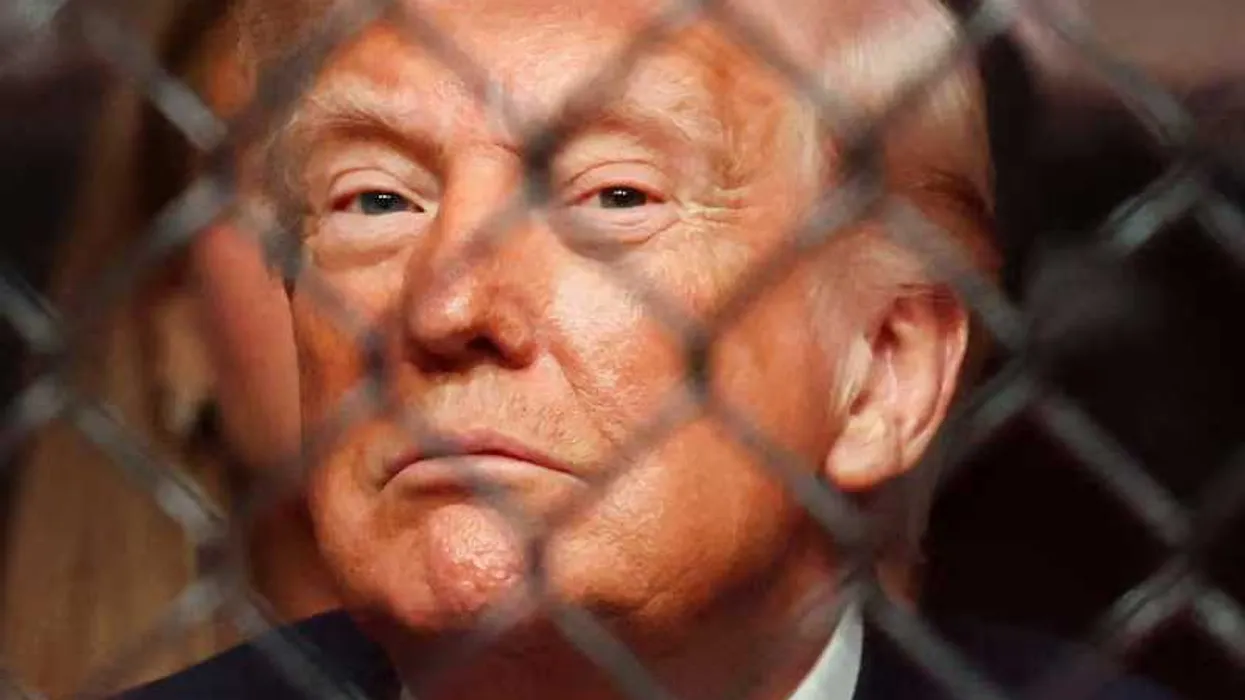
The White House on Wednesday declassified information revealing that the FBI had investigated whether President Donald Trump was functioning as a Russian asset at the time he dismissed former FBI Director James Comey. An administration official who spoke with CBS News characterized the allegation as baseless. A counterintelligence inquiry targeting a sitting president is virtually unprecedented in modern FBI history, underscoring the gravity of what agents believed they were examining.
According to CBS News, the investigation—code-named "Oxferd Comma"—was a subcomponent of Crossfire Hurricane, the broader FBI inquiry into possible coordination between the 2016 Trump campaign and the Russian government, an investigation that has long been a target of Trump's criticism. The official stated that the predicate for opening Oxferd Comma was the newly elected president's 2017 decision to fire Comey. The case was designated as sensitive, a classification typically used to restrict access from other bureau agents. The agents who initiated the case reportedly believed it represented the least intrusive approach to addressing what they considered a serious national security concern.
Oxferd Comma was ultimately folded into Special Counsel Robert Mueller's wider investigation, the official said, and was determined to "not have merit" by the time that probe concluded. The FBI's handling of Crossfire Hurricane has itself been the subject of intense scrutiny: a December 2019 report by the Department of Justice's Office of the Inspector General identified significant errors and omissions in the bureau's Foreign Intelligence Surveillance Act applications targeting former campaign adviser Carter Page, while also concluding that the investigation was opened with an adequate factual predicate. The declassification of Oxferd Comma adds another layer to the public record surrounding that period.
"I was unaware that the predicate for the obstruction included a claim that Donald Trump was somehow acting on behalf of Vladimir Putin," the official told CBS News. "The short of it is, almost everything in the FBI's possession at that point had debunked or ruled out that Trump or his campaign was colluding with Russia at that time."
Trump terminated Comey early in his first term. The White House initially cited the mishandling of the investigation into Hillary Clinton's emails as the rationale. CBS News noted, however, that "Mueller's report claimed Mr. Trump was frustrated with Comey for refusing to publicly state that the president was not personally under investigation for potential ties to Russia."
The dismissal of Comey proved to be a pivotal moment. As CBS News explained, "Comey's firing ended up as the catalyst that set a larger investigation into Mr. Trump in motion." Following the termination, then-Deputy Attorney General Rod Rosenstein appointed Mueller as special counsel to examine allegations of Russian interference in the 2016 presidential election and any connections to the Trump campaign. Mueller ultimately found no evidence that campaign members "conspired or coordinated" with Russia, though his report did document contacts between campaign personnel and individuals linked to the Russian government.
Comey has separately faced charges in recent months over allegations that a social media post showing seashells arranged to spell "86-47" constituted a threat against the president. However, the recent disclosure that Trump directed the Secret Service to track the former FBI director in a manner described as "legally questionable" has disrupted that case.
