EU Adds HTX to Latest Russia Sanctions Package as Crypto Compliance Scrutiny Grows
Key Takeaways
- •The EU included HTX in its latest package of sanctions related to Russia.
- •The decision reflects growing regulatory attention on cryptocurrency exchanges as part of sanctions enforcement.
- •Binding sanctions details are determined by official EU legal acts and listings, not social media references.
- •Crypto exchanges are increasingly expected to maintain customer verification, transaction monitoring, anti-money laundering controls and sanctions screening.
- •The action may lead other digital asset firms and institutional partners to review compliance procedures and due diligence standards.
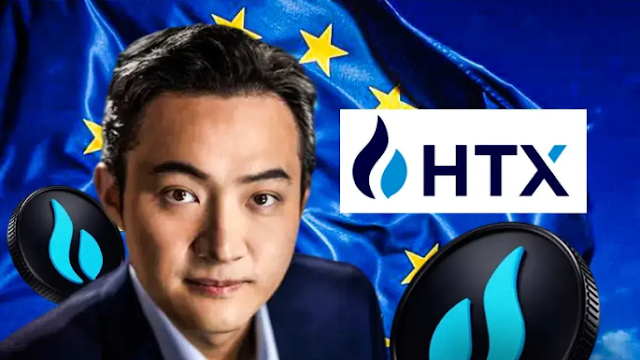
The European Union has expanded its sanctions framework against Russia by adding cryptocurrency exchange HTX to its latest package of restrictive measures, marking another development at the intersection of digital assets, international sanctions and global financial regulation.
The decision reflects the EU’s continued effort to strengthen enforcement mechanisms intended to prevent sanctions evasion while increasing oversight of cryptocurrency platforms operating within the global financial system. Sanctions have traditionally focused on banks, state-owned enterprises, shipping companies and individuals, but digital asset platforms have increasingly become part of broader geopolitical enforcement strategies.
The announcement drew attention across cryptocurrency markets, compliance circles and international financial institutions. The development was also referenced by Cointelegraph’s X account, adding visibility among digital asset market participants. Market participants, however, continue to rely primarily on official government announcements and regulatory documentation when assessing the legal implications of sanctions.
Source: https://x.com/Cointelegraph/status/2081114966778651131
For readers tracking legal exposure, the binding details of EU sanctions are set out in official EU legal acts and listings rather than social media posts. Depending on the specific measure, sanctions can affect dealings by EU persons and entities, access to EU-based services, and the ability of counterparties to make funds or economic resources available to listed parties.
Industry observers say the decision shows that cryptocurrency exchanges are becoming a more important focus for policymakers seeking to reinforce international financial controls.
Sanctions Extend Beyond Traditional Finance
Economic sanctions have long been one of the principal tools used by governments to influence international behavior without direct military action. Historically, sanctions have primarily targeted commercial banks, energy companies, defense contractors, transportation networks and government officials.
As cryptocurrency adoption has expanded globally, regulators have increasingly recognized that digital assets also require effective compliance oversight. Blockchain technology enables rapid cross-border transactions, creating opportunities for financial innovation while also introducing additional compliance challenges.
As a result, policymakers have placed greater emphasis on ensuring that cryptocurrency platforms operate within existing international sanctions frameworks. The inclusion of HTX reflects this broader evolution in financial regulation.
Why Cryptocurrency Exchanges Matter
Cryptocurrency exchanges serve as key gateways between digital assets and the traditional financial system. Millions of users rely on exchanges to buy, sell, store and transfer cryptocurrencies.
Because these platforms facilitate large transaction volumes, regulators increasingly expect exchanges to maintain robust compliance programs. Those programs commonly include customer verification, anti-money laundering controls, transaction monitoring and sanctions screening.
International regulators generally emphasize that cryptocurrency should not become an alternative channel for bypassing financial restrictions. In response, exchanges have invested heavily in compliance technology, blockchain analytics and risk management systems.
The EU’s Expanding Focus on Crypto Compliance
The European Union has steadily broadened its digital asset regulatory framework over the past several years. Authorities have introduced comprehensive legislation governing cryptocurrency service providers while strengthening anti-money laundering requirements across the digital asset sector.
A central part of that framework is the Markets in Crypto-Assets regulation, commonly known as MiCA, which establishes EU-wide rules for crypto-asset service providers. Separately, anti-money laundering and counter-terrorist financing requirements continue to shape how digital asset firms screen customers, monitor transactions and report suspicious activity.
The latest sanctions decision illustrates that compliance expectations now extend beyond routine licensing and operational standards. Authorities increasingly examine how cryptocurrency platforms interact with global financial systems and whether adequate safeguards are in place to prevent prohibited transactions.
The development reinforces the message that digital asset businesses are expected to maintain compliance standards comparable to those applied in traditional banking.
Geopolitical Tensions and Crypto Markets
The cryptocurrency industry no longer operates separately from global politics. Macroeconomic developments, international conflicts, monetary policy, trade restrictions and geopolitical tensions increasingly influence regulatory priorities and investor sentiment.
Digital assets have become sufficiently integrated into the global financial system that major geopolitical developments can affect cryptocurrency markets alongside equities, commodities and foreign exchange. As governments continue modernizing financial oversight, blockchain technology has become an important subject in international policy discussions.
That growing integration helps explain why sanctions-related developments now receive significant attention from digital asset investors and compliance professionals.
Compliance as a Competitive Factor
In the early years of cryptocurrency adoption, exchanges primarily competed through trading features, token listings and transaction fees. Today, regulatory compliance has become similarly important.
Institutional investors increasingly evaluate exchanges based on operational transparency, licensing status, cybersecurity practices, custody standards and regulatory relationships. Platforms that demonstrate strong compliance frameworks may receive greater institutional confidence.
As global regulation becomes more sophisticated, exchanges capable of meeting evolving legal requirements may gain long-term competitive advantages. The latest sanctions action underscores the importance of effective governance structures across the cryptocurrency industry.
Blockchain Transparency and Enforcement
Contrary to common misconceptions, many blockchain networks provide transparent public transaction records. Advanced blockchain analytics allow investigators to monitor transaction flows, identify wallet activity and trace digital assets across multiple networks.
Law enforcement agencies, financial regulators and compliance firms increasingly use these analytical tools to investigate illicit financial activity. This transparency has improved the ability of authorities to enforce sanctions while strengthening broader anti-money laundering efforts.
The continued development of blockchain intelligence platforms has significantly enhanced regulatory oversight compared with the industry’s early years.
Broader Impact on the Cryptocurrency Industry
Although the sanctions specifically concern HTX, the broader implications extend across the global cryptocurrency sector. Other exchanges may review internal compliance procedures, customer screening systems, transaction monitoring capabilities and sanctions policies to ensure alignment with evolving regulatory expectations.
Institutional partners may also increase due diligence requirements when evaluating cryptocurrency service providers. Banks, payment companies, custodians and other financial institutions increasingly expect digital asset businesses to demonstrate comprehensive compliance programs before establishing commercial relationships.
These trends contribute to the gradual maturation of the cryptocurrency ecosystem.
Global Regulatory Coordination
International cooperation among financial regulators has expanded significantly in recent years. Authorities increasingly share information related to money laundering, sanctions enforcement, cybercrime, terrorist financing and illicit financial networks.
Cryptocurrency regulation has become an important component of these cooperative efforts. Financial intelligence units, central banks, securities regulators and law enforcement agencies continue strengthening cross-border coordination.
Because digital assets operate globally, effective regulation increasingly depends on international collaboration rather than isolated national policies.
Challenges for Global Crypto Platforms
Operating an international cryptocurrency exchange has become increasingly complex. Platforms must navigate different licensing regimes, consumer protection laws, tax reporting requirements, cybersecurity regulations, privacy standards and sanctions obligations across numerous jurisdictions.
Legal expectations often vary substantially between countries. Maintaining compliance therefore requires continuous investment in legal expertise, technology infrastructure and operational controls.
The rapidly evolving regulatory environment remains one of the industry’s most significant long-term challenges.
Investor Confidence and Market Stability
Although regulatory developments can create short-term uncertainty, many analysts argue that stronger compliance ultimately benefits the cryptocurrency industry. Clear regulatory expectations may encourage greater institutional participation while improving investor confidence.
Large financial institutions generally prefer operating within predictable legal frameworks supported by transparent enforcement standards. As digital assets become increasingly integrated into mainstream finance, robust compliance may strengthen the industry’s long-term credibility.
This evolution could facilitate broader adoption across banking, investment management, payments and corporate finance.
Outlook
The European Union’s decision to include HTX in its latest Russia sanctions package represents another milestone in the ongoing convergence between cryptocurrency regulation and international financial policy.
The action highlights how digital asset platforms have become important participants in the broader global financial system and are subject to increasingly sophisticated compliance expectations.
For cryptocurrency exchanges, the latest development reinforces the importance of comprehensive sanctions screening, anti-money laundering controls and regulatory cooperation. For institutional investors, it demonstrates that compliance standards will remain a central consideration when evaluating digital asset service providers.
For the cryptocurrency industry as a whole, the decision reflects the continued maturation of digital finance as blockchain technology becomes more deeply integrated into international economic systems.
As governments continue refining digital asset regulation and strengthening cross-border enforcement mechanisms, cryptocurrency platforms are likely to face greater expectations regarding transparency, governance and legal compliance. While regulatory scrutiny may increase operational complexity, many market participants believe it also supports the long-term legitimacy, resilience and sustainable growth of the global cryptocurrency ecosystem.

