Citadel’s Wellington fund rises 5.9% after buying Situational Awareness AI portfolio
Key Takeaways
- •Wellington was up 5.9% in July and had gained 12% for 2026 by the end of the month.
- •Citadel bought most of Situational Awareness’s roughly $16 billion public equity portfolio in less than 24 hours.
- •Situational Awareness had risen 439% through June before dropping about 67% in July as AI and semiconductor positions fell.
- •Citadel acquired some of the positions at a discount of more than 10% after competing with Jane Street and Millennium Management.
- •Citadel’s tactical trading fund gained about 11% in July and its equities fund rose 14.2%, with both funds up about 27% for the year.
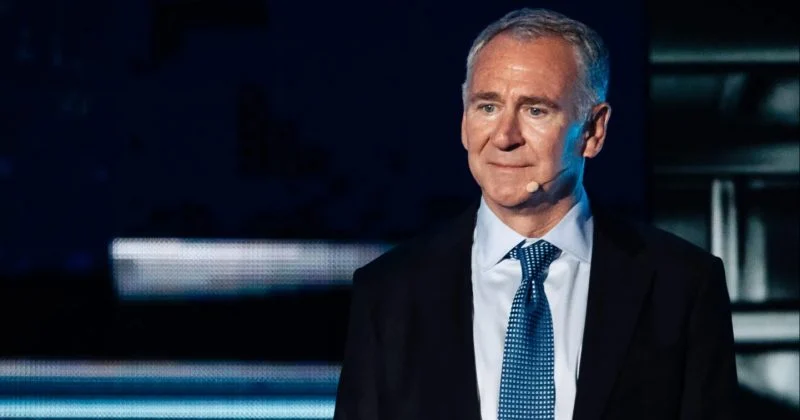
Citadel’s flagship Wellington fund gained 5.9% in July after the hedge fund purchased billions of dollars of AI-related stocks from Leopold Aschenbrenner’s troubled Situational Awareness fund.
The monthly increase lifted Wellington’s return for 2026 to 12%, according to people familiar with the results. Citadel manages about $71 billion in client assets.
Wellington had been roughly flat through July 24, as a sharp drop in semiconductor and AI-related stocks weighed on hedge fund portfolios. Its performance improved in the final days of the month after the acquisition of Situational Awareness’s positions.
Situational Awareness had posted a 439% return from the start of the year through June by using leveraged bets on AI companies. That strategy then reversed sharply in July, when the fund fell about 67% as several of its largest positions declined and lender pressure increased.
The fund later sold most of its roughly $16 billion public equity portfolio to Citadel in a process completed in less than 24 hours. Citadel acquired some of the positions at a discount of more than 10%.
Citadel beat out Jane Street and Millennium Management for the portfolio. Ken Griffin and other senior Citadel executives worked through the night to structure the deal, according to people familiar with the matter.
Several banks, including Goldman Sachs, JPMorgan, Bank of America, and Citigroup, helped facilitate the sale. Citadel bought the portion of the portfolio financed through broker leverage, while Situational Awareness retained a smaller set of public and private holdings, including its investment in Anthropic.
Some of Situational Awareness’s previously disclosed holdings recovered after the transaction. SanDisk rose nearly 30% from the Wednesday before the results were reported, while other AI-related names also rebounded as forced selling pressure eased.
Citadel also recorded gains across its other major strategies in July. Its tactical trading fund rose about 11%, while its stock-focused equities fund advanced 14.2%. Both funds were up roughly 27% for the year.
The results contrasted with losses at several hedge funds exposed to the decline in AI stocks, underscoring how crowded, leveraged positions in a fast-moving sector can quickly affect returns when prices turn. Funds holding leveraged positions in chipmakers and other technology companies recorded double-digit losses as falling prices triggered portfolio reductions and margin pressure.
Citadel has previously acquired portfolios from distressed investment firms. The company bought positions from Amaranth Advisors after its collapse in 2006 and acquired assets from Sowood Capital Management the following year.

