BP Chief Meg O'Neill Signals Sharp Pivot Away From Green Energy, Exits North Sea and Archaea
Key Takeaways
- •BP has abandoned its 2020 commitment to become a net-zero company by 2050 and now describes itself as a global integrated oil and gas company.
- •CEO Meg O'Neill is divesting green-energy assets acquired under former CEO Bernard Looney, including Archaea, a US biogas business purchased for $4 billion just four years ago.
- •BP announced its withdrawal from the North Sea, attributing the decision to unpredictable fiscal regime changes, high taxes, and excessive regulation that have undermined the region's competitiveness.
- •O'Neill acknowledged that BP's performance in recent years fell short of both internal expectations and shareholder expectations, prompting the aggressive portfolio reshaping.
- •O'Neill directly urged the Prime Minister to support domestic North Sea production, noting that the UK derives 75 percent of its energy from fossil fuels and that local production generates jobs and tax revenue.
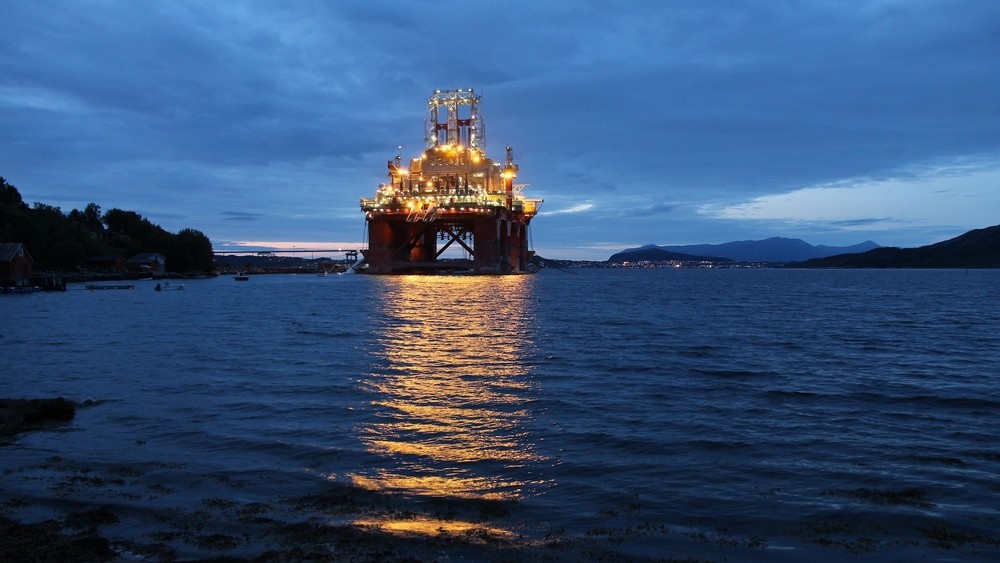
BP has undergone a dramatic strategic reversal since its landmark 2020 pledge to become a net-zero company, with CEO Meg O'Neill now steering the energy major back toward its core oil and gas operations while divesting billions in green-energy assets acquired under her predecessor.
In 2020, BP unveiled what it called a "major, necessary step in support of our purpose to reimagine energy for people and our planet." The strategy — branded "performing while transforming" — committed the company to "significantly scale-up our low carbon energy business" and to "become a net zero company by 2050 or sooner and help the world get to net zero." That year's annual report even featured hand-drawn doodles of wind farms and a scribbled "#bpnetzero" on its front page.
Six years and two chief executives later, the tone has shifted markedly. BP's corporate communications now describe the firm simply as "a global integrated oil and gas company" that "produce[s] oil and gas, trade[s] energy, and make[s], ship[s] and sell[s] energy products." Its stated purpose has been revised to "deliver energy to the world, today and tomorrow," underscoring how the company is repositioning itself around businesses that remain central to its cash generation and existing infrastructure.
O'Neill, who has acknowledged that "our performance over the past few years has not met our own expectations, let alone those of our shareholders," is moving aggressively to reshape the company's portfolio. Last week, BP announced it is pulling out of the North Sea, citing unpredictable "fiscal regime changes" that undermine confidence and stability. The company attributed the decision to high taxes and regulation, saying the region is no longer competitive, a reminder that long-cycle energy investment is highly sensitive to policy, tax, and permitting conditions.
BP is also divesting Archaea, the US biogas business it purchased for $4 billion just four years ago under former CEO Bernard Looney, who had been the principal architect of the clean-energy pivot. O'Neill told the media that certain green-energy investments had not "delivered the returns that we expect."
"Some assets may have been important to BP in the past…that does not necessarily mean they are the right assets for BP's future," she said.
O'Neill also revealed that she had delivered a direct message to the Prime Minister, telling him that the UK currently derives 75 per cent of its energy from fossil fuels and that, therefore, "the first barrel of oil we consume and molecule of natural gas we need should be coming from the UK North Sea, where we generate jobs, we generate tax revenue, we generate all those additional positive impacts."
The article was originally published by City AM.

