Russia-Ukraine Strikes Disrupt Black Sea Commercial Shipping from Both Sides
Key Takeaways
- •Russian forces struck port infrastructure, fuel storage, and at least three cargo vessels in Odesa and Chornomorsk, bringing Ukraine's Black Sea maritime corridor traffic to a complete halt on Wednesday.
- •Ukraine requested an urgent UN Security Council meeting for July 27, warning that continued attacks on its seaborne export routes could drive up food prices across Africa, Asia, the Middle East, and Latin America.
- •Russia temporarily banned vessels from entering or leaving Novorossiysk, its largest port by cargo turnover, between midnight and 5 a.m. due to Ukrainian drone attacks.
- •Maersk suspended feeder operations through Chornomorsk Fishing Port indefinitely and began diverting import cargo to Constanta, Romania for onward delivery into Ukraine.
- •EU governments authorized Operation Atalanta in the Indian Ocean to board vessels suspected of belonging to Russia's shadow fleet, expanding sanctions enforcement beyond the Black Sea region.
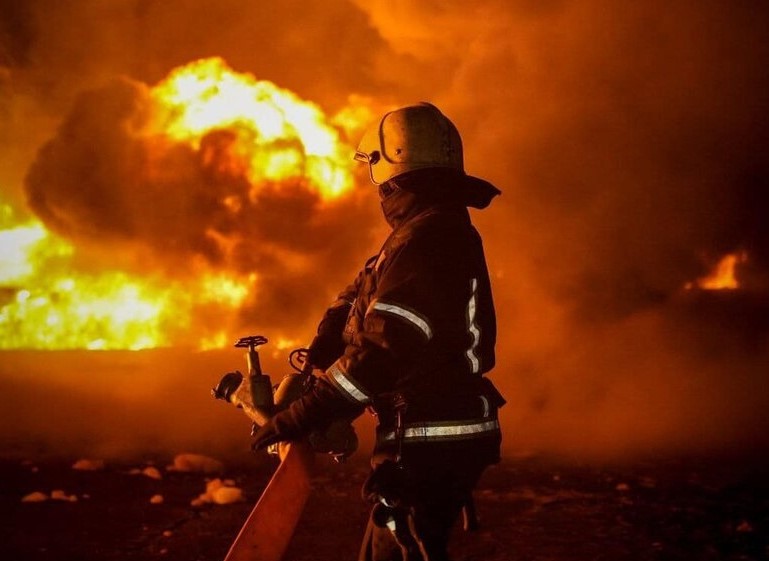
Commercial shipping in the Black Sea faces mounting pressure from both directions, as Russia intensifies attacks on Ukrainian ports and vessels while Ukraine's drone campaign forces fresh restrictions at Russia's largest maritime hubs.
Russia's defence ministry announced on Wednesday that its forces had struck port infrastructure and ships in Odesa and Chornomorsk. According to the statement, a dry cargo vessel unloading at Chornomorsk was hit along with a military cargo depot and fuel storage tanks. In Odesa, loading facilities, warehouses, and two additional bulkers were targeted.
Nearly four and a half years into the war, both sides increasingly regard merchant shipping, export terminals, and port infrastructure as extensions of the battlefield. Tankers, bulkers, and general cargo vessels have been struck across the Black Sea and the Sea of Azov, leaving shipowners and crews to navigate a conflict in which civilian and military logistics have grown increasingly difficult to distinguish. War-risk insurance premiums for vessels calling at Black Sea ports have risen sharply since the invasion, and underwriters continue to adjust coverage terms as attacks persist.
Ukraine has requested an urgent United Nations Security Council meeting after the attacks brought traffic through its Black Sea maritime corridor to a standstill during the peak agricultural harvest season. The corridor was established after Russia withdrew from the UN-brokered Black Sea Grain Initiative in July 2023, and has since served as Ukraine's primary deep-water export route, carrying tens of millions of tonnes of grain, oilseeds, and other cargo to global markets.
Acting foreign minister Andrii Sybiha stated that no vessels transited the corridor on Wednesday and accused Moscow of striking at least three civilian cargo ships in recent days, resulting in dozens of crew members killed or injured.
"Russia is holding global food security hostage," Sybiha wrote. He requested a Security Council meeting for July 27 and warned that continued attacks could drive up food prices across Africa, Asia, the Middle East, and Latin America. Ukraine ranks among the world's top exporters of wheat, corn, and sunflower oil, and disruptions to its seaborne shipments have previously contributed to price volatility in global commodities markets.
Meanwhile, Ukrainian strikes are imposing restrictions on Russian trade. Three grain industry sources told Reuters that Russia has temporarily banned vessels from entering or leaving Novorossiysk between midnight and 5 a.m. due to drone attacks. The verbal order has not been formally circulated to shippers, though the port continues to operate normally outside the restricted hours. Novorossiysk is Russia's largest port by cargo turnover and handles up to one-third of the country's grain exports, in addition to oil, metals, and containers.
On July 21, Moscow also prohibited ships from anchoring in areas without air-defence coverage near the ports of Azov and Kavkaz, citing the need to protect vessels and crew members. The measures followed a drone attack on the Caspian Pipeline Consortium's offshore terminal near Novorossiysk. The tankers Asia and Nissos were struck during loading operations, with a fire breaking out aboard Asia. No casualties or pollution were reported, but crude loading was temporarily suspended.
The deteriorating security environment is now reshaping liner networks. Maersk has suspended feeder operations through Chornomorsk Fishing Port until further notice. Import cargo, including containers aboard the Medkon Mira, will instead be discharged at Constanta, Romania's largest Black Sea port and a key gateway for overland transit into Ukraine. Customers are being offered onward delivery options into Ukraine, while export bookings can be cancelled or shifted to the Romanian port.
Europe is simultaneously broadening enforcement against Russia-linked shipping well beyond the Black Sea. EU governments have authorised Operation Atalanta in the Indian Ocean to board vessels suspected of belonging to Russia's shadow fleet—the network of aging, often uninsured tankers Moscow has used to continue crude oil exports despite Western sanctions. The decision followed Operation Irini's fourth successful shadow-fleet boarding in the Mediterranean on July 20.
"Every illicit voyage helps sustain Russia's war machine," said EU foreign policy chief Kaja Kallas. "We are matching our sanctions with actions at sea."

