Three iPhone Users Sue Apple Over Alleged $1.8M Bitcoin Loss in Fake Sparrow Wallet Case
Key Takeaways
- •Three iPhone users allege they lost $1.8 million in Bitcoin after downloading a counterfeit version of Sparrow Wallet.
- •The lawsuit names Apple as the defendant and focuses on its role in app distribution and user protection.
- •The complaint’s allegations have not been proven in court, and Apple’s liability has not been established.
- •Sparrow Wallet is a legitimate Bitcoin wallet project, while the case concerns an allegedly fake app impersonating it.
- •Counterfeit wallet apps can pose risks if users enter recovery information or otherwise expose access to cryptocurrency funds.
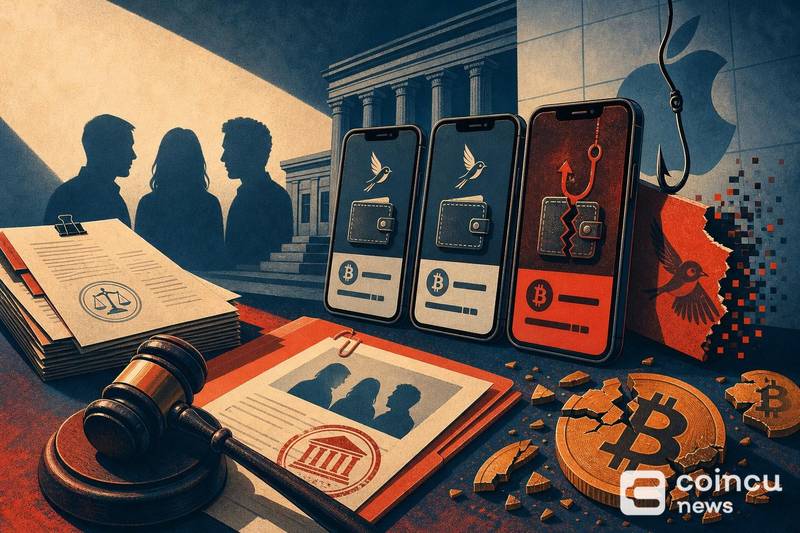
Three iOS users have sued Apple Inc., alleging they collectively lost $1.8 million in Bitcoin after downloading what they describe as a fake version of Sparrow Wallet on their iPhones. The case places renewed attention on the App Store’s role in screening cryptocurrency-related apps and addressing alleged scams distributed through mobile platforms.
The claims appear in a lawsuit captioned Ramirez et al v. Apple Inc., filed against the iPhone maker and available as a court filing document. The plaintiffs allege that their losses resulted from a counterfeit Sparrow Wallet download.
The claims remain allegations. The complaint has not been tested in court, and no ruling has established how the funds were lost or whether Apple is liable for the alleged harm.
What the plaintiffs allege
According to the filing, three iPhone users downloaded an app they believed was Sparrow Wallet and later lost Bitcoin worth a combined $1.8 million. The lawsuit identifies the allegedly counterfeit download as the mechanism behind the theft.
The complaint names Apple Inc. as the defendant, connecting the alleged loss to the platform through which the app was obtained. Beyond the named parties and the claimed loss figure, the available materials do not independently verify the specific technical details of the alleged scheme.
Sparrow Wallet and the alleged impersonation
Sparrow Wallet is a legitimate Bitcoin wallet project with an official website at sparrowwallet.com. The lawsuit concerns an allegedly fake version that impersonated the real brand, not the genuine Sparrow Wallet software.
Counterfeit wallet apps commonly attempt to mimic the name, icon, branding and interface of trusted crypto tools closely enough that users believe they are installing an official product. If a user creates a wallet or enters a recovery phrase into an impersonating app, an attacker may obtain the access needed to move funds.
The available filing materials do not set out the precise sequence of events in this case. As a result, the path from download to alleged Bitcoin loss remains a claim in litigation rather than a court-established account.
Why the lawsuit targets Apple
The suit focuses on Apple’s role in distributing apps and protecting users, rather than accusing Apple of directly taking any funds. By naming the company, the plaintiffs place App Store review procedures and anti-fraud safeguards at the center of the dispute.
That distinction matters because the dispute is not only about an alleged theft, but also about what responsibilities a mobile app marketplace may have when financial software is listed under a trusted brand name. The litigation could turn on factual questions about the app’s submission, review, listing, user reports and any steps taken after the alleged impersonation was identified.
Apple publishes guidance on App Store safety and reporting fraudulent apps and scams through its official support resources. That guidance describes the company’s stated approach to user protection, but it does not represent a position on this specific lawsuit.
The available evidence does not support any conclusion about the outcome of the case or any potential damages beyond the allegations stated in the complaint.
Mobile fake-wallet risk
The case highlights the risk that counterfeit apps can exploit trust in established cryptocurrency brands. On mobile download platforms, an app name and icon that appear credible may be enough to prompt an installation, especially among less experienced users.
The issue is distinct from market-driven Bitcoin losses. In wallet-impersonation cases, the central risk is that control of private keys or recovery information may be compromised. Because Bitcoin transactions are generally irreversible once confirmed, users often have limited recourse after funds leave a wallet.
For readers following the case, later filings may clarify whether the plaintiffs provide additional technical details about the alleged fake app, how it appeared in the App Store, and what specific conduct they say supports Apple’s liability. Until then, Sparrow Wallet remains a real Bitcoin wallet project, while the $1.8 million figure comes from allegations in a lawsuit that has not been decided in court.

