Upbit Ends BONK Trading Support on September 7 as Bithumb Keeps the Token Listed
Key Takeaways
- •Upbit will remove BONK/KRW and BONK/USDT pairs at 15:00 KST on September 7, 2026, cancelling open orders, while withdrawals stay open until October 7.
- •Bithumb lifted its trading caution status on August 7 after judging the issues resolved, whereas Upbit concluded the grounds remained unresolved and moved to delist.
- •Halborn estimated the BonkDAO hack caused $20 million in losses, with the attacker spending about $4.4 million to win roughly 99.878% of votes and transfer 4.43 trillion BONK without a timelock.
- •BONK traded around $0.00000345, up about 6.1% in 24 hours, with roughly $134 million in volume and a market capitalization near $303 million.
- •BONK will remain available on Binance, Coinbase, Bybit, Kraken, other exchanges, and Solana-based DEXs, though losing Upbit could pressure liquidity and prompt other venues to reassess the token.
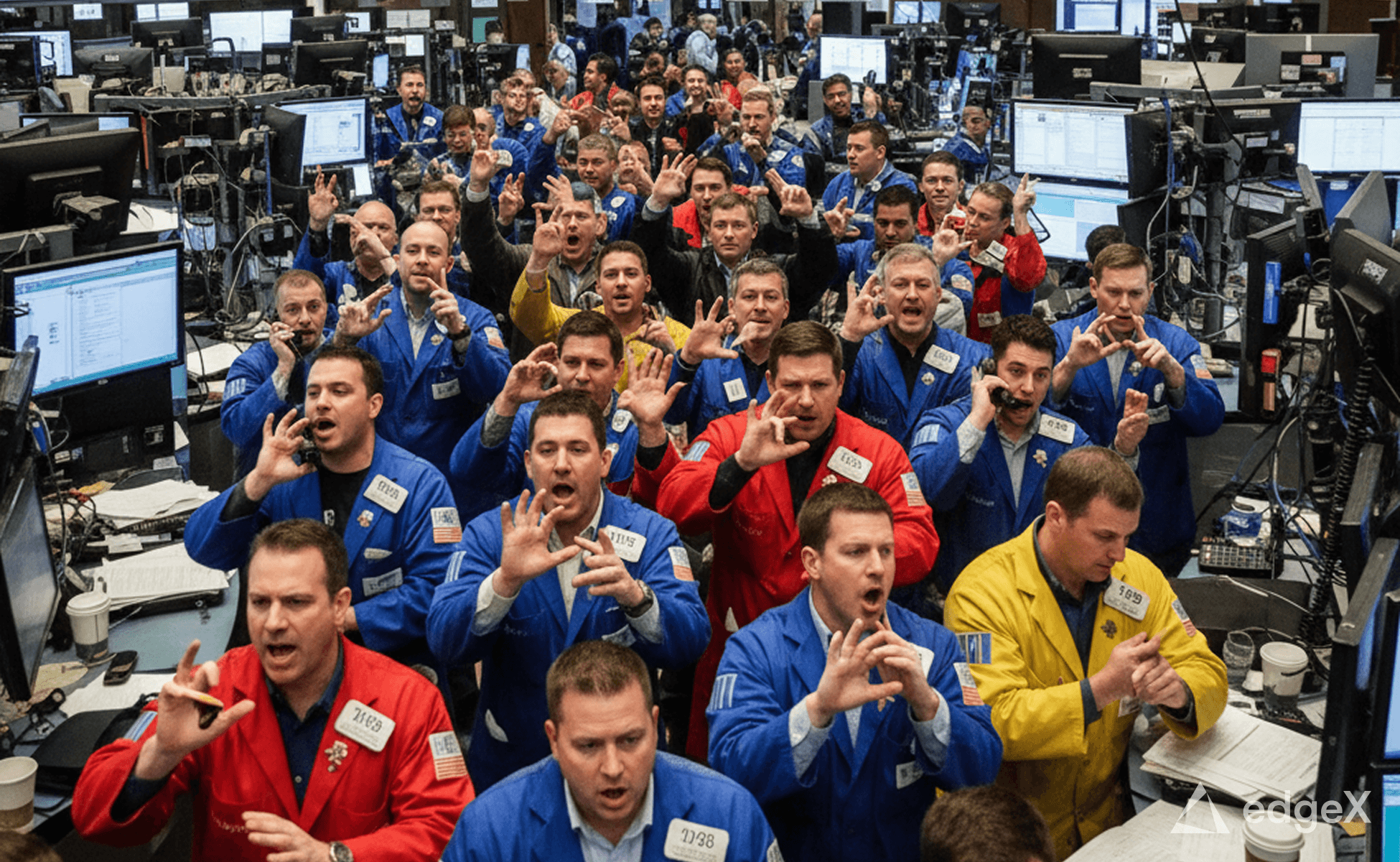
Upbit will end its support for BONK trading on Monday, removing one of the two major South Korean venues for the Solana meme coin, while rival Bithumb has moved in the opposite direction and continues to support it.
The change is urgent for Korean traders: Upbit is removing the BONK/KRW and BONK/USDT pairs at 15:00 KST on September 7, 2026, which means open orders will be cancelled. BONK withdrawals will remain available until October 7.
Korean markets matter beyond this single exchange. According to the OECD's Asia Capital Markets Report 2026, Korea and India recorded the highest absolute inflow of crypto-assets in Asia during the 12 months leading to June 2025.
Two exchanges, one incident, opposite calls
On July 7, both Upbit and Bithumb placed BONK under a "trading caution" designation. A Bithumb notification dated July 7 explained the reason: a security incident whose cause was either unknown or unresolved, along with questions about whether significant information had been disclosed in a timely manner.
A month later, the two exchanges went separate ways.
On August 7, Bithumb lifted its caution status, stating that the issues behind the designation had been resolved, and resumed accepting deposits later that day. Upbit, in contrast, argued that the grounds for its caution status "have not been resolved" and moved to halt trading.
Both options are permitted under Upbit's market-alert framework: when an issue is resolved, a caution status can be lifted; otherwise, trading support can be terminated. Bithumb chose the first path, Upbit the second.
The hack behind the flag
The incident involved BonkDAO, a community-managed treasury responsible for the BONK ecosystem. In an announcement on X, BONK stated that "$BONK and BonkDAO are two distinct entities", adding that the attack hit the DAO treasury and did not affect any other BONK operations.
Blockchain security firm Halborn estimated BonkDAO's losses at $20 million. According to its research, the attacker used a malicious governance proposal to transfer 4.43 trillion BONK out of the treasury. The hacker spent roughly $4.4 million to acquire majority voting rights, winning approximately 99.878% of the votes, and the proposal was executed without any time lock.
The mechanism matters as much as the dollar figure. Governance takeover attacks — where an attacker amasses enough voting power to pass a self-serving proposal — are a recognized vulnerability class in DeFi, and timelocks exist precisely to create a delay window during which suspicious proposals can be reviewed or reversed before funds move. The BonkDAO treasury had no such buffer, allowing the transfer to execute immediately once the vote closed.
Although the DAO is considerably distinct from the broader token ecosystem, that does not place it beyond exchange review. Remediation, disclosure, and investor protection can matter as much in this case as the security of the underlying contract.
What the listing rules actually screen for
DAXA's Best Practices for Listing Virtual Assets applies to both exchanges, providing common minimum standards while leaving room for discretionary judgment. DAXA, the joint association of Korean crypto exchanges, was formed in mid-2022 in the wake of the Terra-Luna collapse, when Korean retail investors suffered heavy losses and exchanges came under criticism for inconsistent delisting decisions. The framework assesses the reliability of issuers, investor protection, safeguards, and regulatory compliance. It focuses in particular on unresolved hacking incidents and any failure to disclose problems material to prospective investors and the asset's overall value.
The concerns around BONK mirror those contemplated by the framework. While the rules are identical, judging whether a project took adequate steps to address such issues remains at each exchange's discretion — which explains why Bithumb gave BONK a green light while Upbit chose to delist it.
Price and volume climb into the delisting
BONK's trading price has been rising as the Upbit delisting approaches. According to CoinMarketCap, BONK traded around $0.00000345, up about 6.1% over 24 hours, with roughly $134 million in trading volume and a market capitalization of about $303 million.
Cryptopolitan's BONK price-tracking service observed a similar rise on September 6, when the price climbed about 4.3% on around $104.6 million in trading.
Whether this strength reflects positioning ahead of Upbit's cut-off time, trades migrating to other exchanges, or general meme coin momentum is unclear — but the timing is not in doubt: BONK's price and trading activity are rising as one of South Korea's largest exchanges prepares to halt trading in the coin.
An Upbit delisting is unlikely to decide BONK's global fate. The token will remain available on Binance, Coinbase, Bybit, Kraken, and other exchanges, as well as on Solana-based decentralized exchanges. However, losing a major retail market could weigh on liquidity and sentiment, and could prompt other exchanges to reassess the token's risk profile — particularly those that, like Upbit, weigh unresolved incident disclosures heavily in their listing reviews. What bears watching in the coming weeks is whether BONK deposits resume on Bithumb without further caution flags, and whether any other major venue follows Upbit's read of the incident rather than Bithumb's.
