Senate Republicans Release Updated CLARITY Act, Potentially Benefiting XRP and the XRPL Ecosystem
Key Takeaways
- •The revised CLARITY Act preserves the framework for differentiating digital assets from securities, which is central to resolving the regulatory uncertainty surrounding XRP since the SEC filed its enforcement action against Ripple in December 2020.
- •The legislation upholds self-custody protections and prevents blockchain developers, validators, and infrastructure providers from being classified as financial intermediaries solely for supporting decentralized networks.
- •The bill reinforces customer asset protections during crypto exchange bankruptcies by requiring that customer funds remain separate from company assets.
- •The updated legislation leaves the bipartisan stablecoin framework largely unchanged, providing regulatory consistency for Ripple's expanding RLUSD stablecoin operations.
- •Contested ethics provisions would prohibit senior government officials and their spouses from issuing or sponsoring digital assets for compensation while in office, and these rules are expected to face intense negotiations before the bill can secure the 60 Senate votes needed to advance.
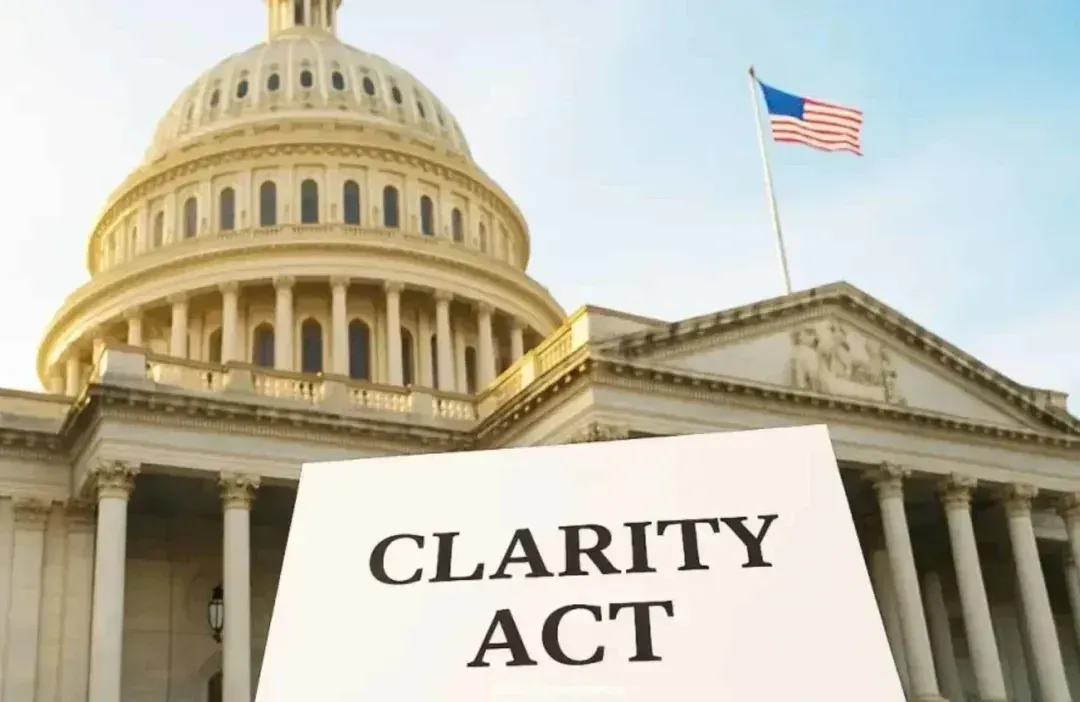
Updated CLARITY Act Strengthens Regulatory Outlook for XRP
Senate Republicans have introduced a revised version of the CLARITY Act, bringing changes that could reshape U.S. digital asset regulation while retaining the core market structure provisions the cryptocurrency industry has consistently advocated for. The bill is part of a broader legislative push that has gained momentum in 2025, alongside the GENIUS Act for stablecoins and the House-passed FIT21 market structure bill, as Congress attempts to establish the first comprehensive crypto regulatory framework in the United States.
While the updated bill has sparked debate over new ethics requirements and expanded enforcement authority, many industry participants view its primary value in providing greater regulatory certainty—a development that could prove especially beneficial for XRP and the broader XRP Ledger (XRPL) ecosystem, which has operated under regulatory uncertainty since the SEC filed its enforcement action against Ripple in December 2020.
According to former Fox Business journalist Eleanor Terrett, the revised legislation preserves the framework for differentiating digital assets from securities, while introducing stronger consumer protections and enhanced measures against crypto-related crime. For XRP, this represents an important step toward clearer regulation. The security-versus-commodity distinction has been a central issue in the SEC's case against Ripple, where a federal judge ruled in 2023 that programmatic sales of XRP on exchanges did not constitute securities transactions.
Clear Rules and Institutional Adoption
A key advantage of the bill lies in its continued push to establish definitive rules for digital assets. Regulatory ambiguity has long deterred banks, exchanges, payment providers, and institutional investors from broadening their exposure to cryptocurrencies.
By delivering a more defined legal framework, the CLARITY Act could eliminate a significant barrier to institutional adoption, fostering a more favorable landscape for XRP and other compliant digital assets.
The legislation also upholds self-custody protections, ensuring that individuals maintain control over their digital assets. Importantly, it prevents blockchain developers, validators, and infrastructure providers from being classified as financial intermediaries solely for supporting decentralized networks.
These safeguards are particularly relevant for the XRP Ledger, as they allow developers and ecosystem participants to continue building without facing unnecessary regulatory burdens.
Customer Asset Protections and Stablecoin Framework
Another significant provision reinforces protections for customer assets during crypto exchange bankruptcies, helping ensure that customer funds remain separate from company assets. Following several high-profile exchange collapses, this measure could help restore investor confidence and encourage broader participation in regulated crypto markets.
The updated bill also leaves the bipartisan stablecoin framework largely unchanged. This continuity carries particular significance for Ripple, as its RLUSD stablecoin expands across cross-border payments, tokenization, and institutional finance. Regulatory consistency provides financial institutions with greater confidence to invest in blockchain infrastructure without concern over sudden policy reversals.
Enhanced Enforcement and Contested Ethics Provisions
The legislation additionally increases funding for crypto-related investigations, law enforcement training, and cybercrime initiatives aimed at illicit activity and hostile nation-state actors. While some participants may find the tougher enforcement provisions concerning, many see them as a constructive step toward distinguishing legitimate blockchain businesses from bad actors and bolstering industry trust.
The bill's most contested changes center on ethics rules. Senior government officials—including the President, Vice President, members of Congress, federal judges, and their spouses—would be prohibited from issuing or sponsoring digital assets for compensation while in office. They would also be required to either divest their crypto holdings or place them in blind trusts.
These provisions are expected to undergo intense negotiations before the bill can secure the 60 Senate votes required to advance.
Outlook for XRP and Ripple
For XRP, the broader picture remains positive. By reinforcing regulatory clarity, protecting self-custody, preserving stablecoin framework continuity, strengthening consumer safeguards, and supporting institutional participation, the updated CLARITY Act moves the United States closer to a comprehensive digital asset regulatory framework.
If enacted, the legislation could remove key regulatory hurdles that have weighed on Ripple and position the XRP Ledger for wider adoption in an increasingly regulated cryptocurrency market.
Source: Coinpaper
