Lo scrittore detenuto definisce ipocriti i dazi di Trump sul lavoro forzato, citando le pratiche di lavoro carcerario negli Stati Uniti
Punti chiave
- •Jeremy Busby sostiene che l'affidamento degli Stati Uniti al lavoro carcerario obbligatorio indebolisca la giustificazione dell'amministrazione Trump per i dazi contro i paesi che tollerano il lavoro forzato.
- •La clausola di eccezione del 13° Emendamento, ratificata nel 1865, continua a fornire la base costituzionale per la servitù involontaria nelle carceri americane.
- •Le carceri del Texas hanno generato circa 109 milioni di dollari nel 2022 complessivamente da prodotti industriali e beni agricoli prodotti con lavoro forzato dei detenuti.
- •I detenuti che rifiutano di lavorare affrontano conseguenze severe, tra cui isolamento, perdita dei beni personali e revoca di privilegi come visite familiari e crediti per buona condotta.
- •Economisti come Dr. Robert Shapiro e Dr. Ed Gresser hanno criticato separatamente le politiche tariffarie di Trump per aver generato incertezza economica e per costituire un approccio da grande governo al commercio.
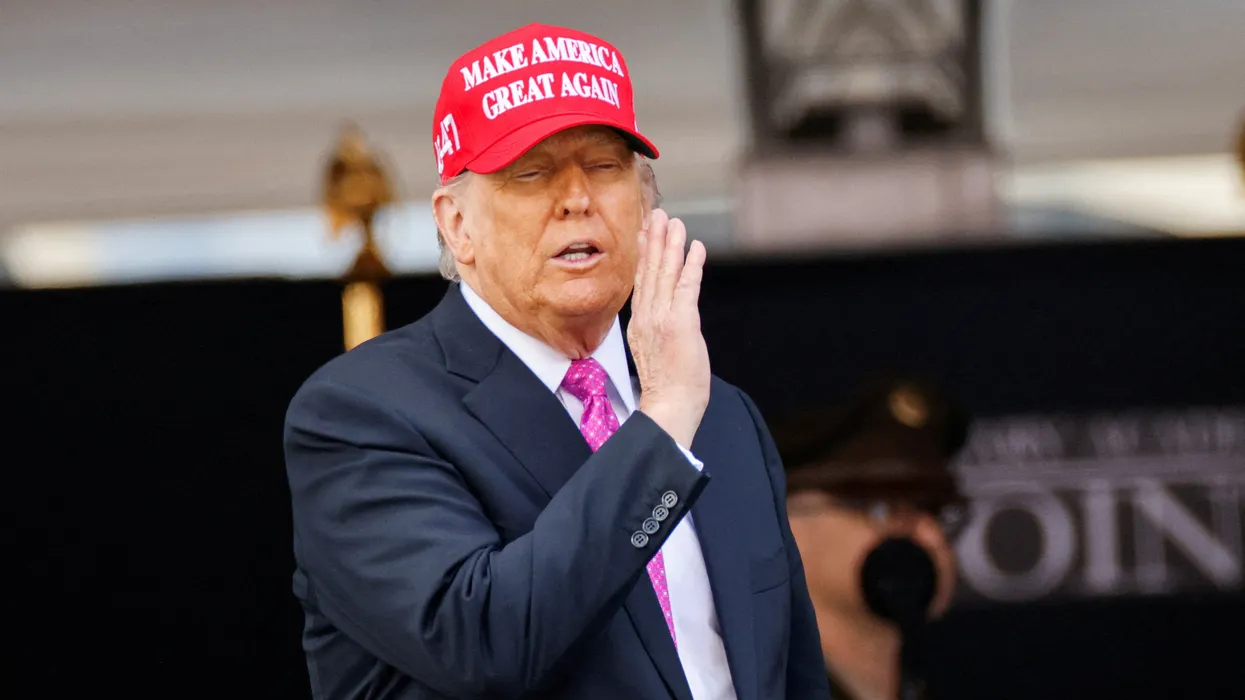
I dazi del presidente Donald Trump hanno già incontrato ampia impopolarità e sono stati dichiarati illegali dalla Corte Suprema. Ora, un uomo che sostiene di essere stato ingiustamente condannato per omicidio afferma che la motivazione dichiarata dall'amministrazione per colpire i paesi complici del lavoro forzato è profondamente ipocrita, dato che gli Stati Uniti fanno affidamento su quella che descrive come schiavitù letterale all'interno del proprio sistema carcerario.
Jeremy Busby, scrittore e attivista detenuto in Texas da quasi tre decenni per una condanna per omicidio che dice essere stata legittima difesa, ha avanzato questo argomento in un saggio pubblicato domenica su MS NOW. Busby è il fondatore della nonprofit JoinJeremy.
"The Trump administration's claim that tariffs are needed to punish those 59 countries and the European Union, which it says are too permissive of forced labor" is hypocritical, Busby wrote. "I write this from Texas, a state that has kept me incarcerated for nearly three decades and is one of the country's biggest beneficiaries of forced labor."
La legalità del lavoro carcerario obbligatorio negli Stati Uniti risale al 13° Emendamento, che abolì la schiavitù e la servitù involontaria "except as a punishment for crime whereof the party shall have been duly convicted." Questa clausola di eccezione, ratificata nel 1865, resta parte della Costituzione e costituisce il fondamento del sistema descritto da Busby. Diversi stati — tra cui Alabama, Oregon, Tennessee e Vermont — hanno votato nel 2022 per rimuovere un linguaggio simile dalle proprie costituzioni statali, segnalando un movimento di riforma in crescita ma ancora agli inizi.
Busby ha attinto alla propria esperienza diretta per descrivere le condizioni all'interno delle carceri statunitensi. "I have seen guards attack a man for his refusal to chop grass. I have seen countless others pepper sprayed for refusing to perform work details. Some of my college classmates were expelled from religious and educational programs for failing to show up for prison-mandated work," ha scritto. "On any given day, nearly 2 million people are behind bars in this country. More than half of them, approximately 1.2 million, are held in state or federal prisons, where work is compulsory."
Nel suo saggio, Busby ha sostenuto che il sistema carcerario di fatto riduce in schiavitù i detenuti per produrre beni e servizi a basso costo per grandi aziende.
"Those assigned to agribusiness operations harvest some of the same crops — like cotton — that enslaved people once did," Busby argued. "They work under an armed guard on horseback, following the ‘same marching orders as their predecessors,’ the Texas Observer reported. In 2022 alone, Texas prisons raked in $58 million from sales of industrial products — such as soap and stainless steel tables — produced through forced labor. That sum was completely separate from the reported $51 million in earnings that same year from agriculture."
Ha aggiunto: "Incarcerated workers have a long history of inhumane treatment for any type of work stoppage. In 1908, Frank Pinkard received 39 lashes after refusing to continue digging a ditch in Texas. Other incarcerated workers were killed for disobeying work orders, according to historian Robert Perkinson, author of ‘Texas Tough: The Rise of America’s Prison Empire.’"
Busby ha elencato le punizioni inflitte ai prigionieri che rifiutano di lavorare, tra cui "long-term placement in solitary confinement, which requires confiscation of all personal property" e la perdita di "privileges like family visitation, telephone calls or the good-time credits needed for release can be stripped away. Commissary, entertainment and recreational access can be suspended."
Ha concluso: "If tariffs are an appropriate response to countries looking away from forced labor, then other countries would be justified in placing tariffs on us."
Parlando con AlterNet a luglio, l'economista Dr. Ed Gresser, vicepresidente e direttore per Trade and Global Markets presso il think tank di orientamento progressista Progressive Policy Institute, ha definito i dazi di Trump una mossa da "big-government" nonostante la sua pretesa di essere un presidente del piccolo governo. L'economista Dr. Robert Shapiro, che è stato uno dei principali consiglieri economici del presidente Bill Clinton, ha sostenuto che essi danneggiano l'economia americana creando "uncertainty. Every investment is based on an assessment of the likely future demand for whatever you're investing in, and how much it's going to cost to produce it."
Ha aggiunto: "So there are assumptions about labor costs, material costs and other input costs — and again, about demand. If you have a set of arrangements that give you some confidence about the price of your inputs coming from Mexico or Canada, or about demand for goods in Canada — and don't forget, we have virtually no trade deficit with Canada; we have enormous trade, and it goes in both directions — so it's certainly right, and it's not just about investments based on these probabilities that the trade agreement can help reduce uncertainty about."

