CNN Host Says Trump Faces a Biden-Era Economic Problem Over Strait of Hormuz
Key Takeaways
- •President Trump asserted that the United States does not require the Strait of Hormuz to stay open because of its significant share of global oil production and access to Venezuela's reserves.
- •The Strait of Hormuz is one of the world's most critical energy chokepoints, and disruptions there can impact global crude prices and shipping costs even without direct US imports through the waterway.
- •Axios correspondent Alex Thompson emphasized that rapidly increasing oil supply is not feasible because building infrastructure takes years and Venezuela's oil infrastructure has been heavily degraded.
- •Cornish cautioned that a return to conflict could trigger the global recession scenario that Trump himself referenced when justifying a ceasefire.
- •Cornish drew a parallel to the Biden era, arguing that favorable macroeconomic indicators cannot protect an administration politically if voters feel financial pressure in their daily lives.
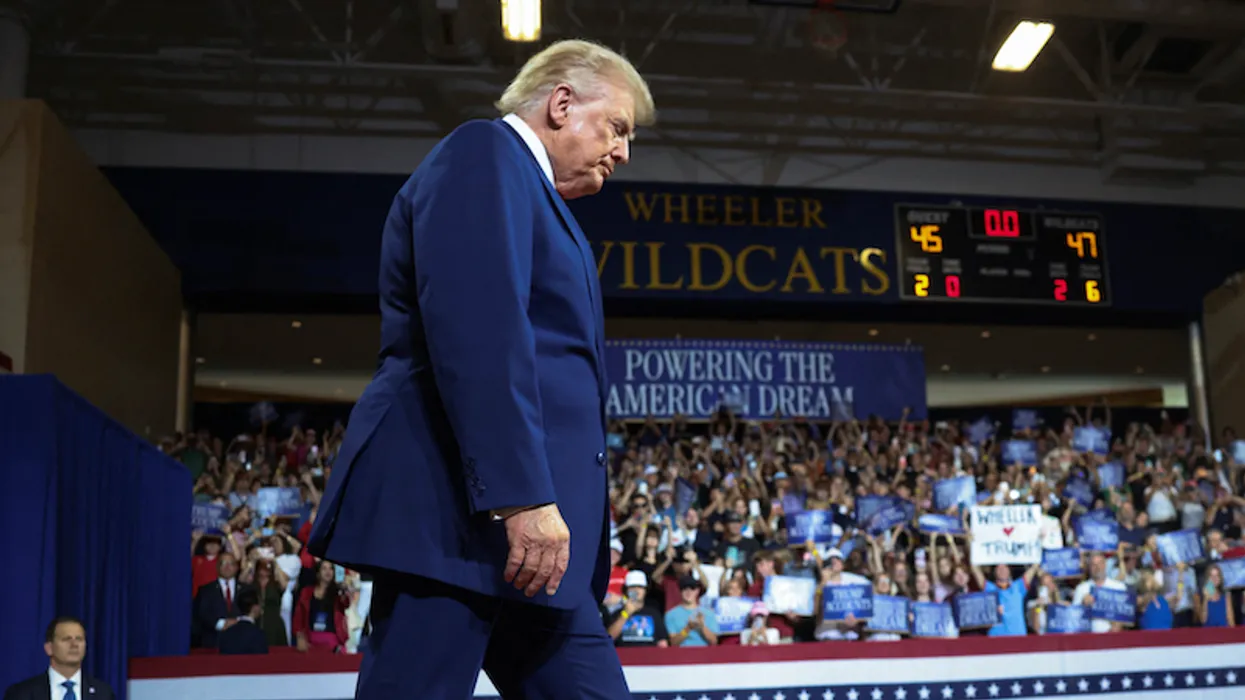
CNN host Audie Cornish said Thursday that President Donald Trump risked falling into the same economic trap that confronted his predecessor after he argued that the United States did not need the Strait of Hormuz to remain open.
Trump, 80, said the United States already controlled a large share of the global oil market and pointed specifically to Venezuela's oil reserves. He argued that commercial shipping through the Middle East waterway, which the article described as now effectively controlled by Iran, was not essential to U.S. interests. Panelists on "CNN This Morning" challenged that assessment.
The Strait of Hormuz is one of the world's most important energy chokepoints, linking the Persian Gulf with the Gulf of Oman and the Arabian Sea. Even when U.S. refiners are not directly receiving barrels through the strait, disruptions there can affect global crude benchmarks, shipping costs and expectations for fuel prices because oil is traded in an interconnected international market.
"Any oil executive will tell you you cannot – it's not it's not like a faucet," Axios correspondent Alex Thompson said. "You can't just suddenly have tons of oil flowing. It takes years of building up infrastructure. A lot of infrastructure had been degraded in Venezuela."
Mike Dubke, who briefly served as White House communications director early in Trump's first term, noted that the United States does not import oil through the Strait of Hormuz. Cornish said that point did not address the broader economic issue.
"When the president announced a cease fire, the thing he said is if we didn't stop, there might be a global recession," Cornish said. "Like, he said that when he explained to everyone why he wanted a pause in fighting, so it's hard not to picture a return to fighting leading to the scenario he introduced, which is a global recession."
Dubke agreed that global oil reserves were already running perilously low. He also said the United States remained a net exporter even as Europe and other regions faced shortages. Cornish said those facts had limits in shaping public opinion.
Her comparison to the Biden era centered on the political gap between macroeconomic talking points and household experience. During Biden's term, the administration often pointed to indicators such as job growth and falling inflation from its peak, while voters continued to focus on the higher prices they faced for essentials, including food, rent and gasoline.
"I'm fascinated because I think from the Biden era, we learned that the White House can say all it wants about how well things are going," Cornish said, "but if people don't think it's feel it's going well, nothing can save you."
A YouTube clip was cited: https://youtu.be/ivUU7TmKuks

