Commentatori conservatori spiegano perché Trump continua a perdere in tribunale — anche davanti ai giudici da lui nominati
Punti chiave
- •Il presidente Trump ha affrontato molteplici sconfitte legali su questioni tra cui dazi, restrizioni al voto per corrispondenza e il suo tentativo di annullare il verdetto civile che lo ha ritenuto responsabile di aver abusato sessualmente di E. Jean Carroll.
- •Diverse decisioni sfavorevoli sono state emesse da tribunali composti da giudici che Trump stesso ha nominato durante il suo primo mandato.
- •I commentatori conservatori di The Bulwark sostengono che le sconfitte dell’amministrazione derivino dalla gestione errata di procedure legali fondamentali, più che da una mancanza di autorità.
- •L’amministrazione è stata costretta a ritirare la richiesta all’University of Pennsylvania di fornire elenchi di docenti, studenti e organizzazioni ebraiche dopo una lunga battaglia legale.
- •Molti giudici nominati da Trump e selezionati attraverso il processo di valutazione della Federalist Society hanno seguito principi giuridici conservatori tradizionali anziché deferire alle posizioni dell’amministrazione.
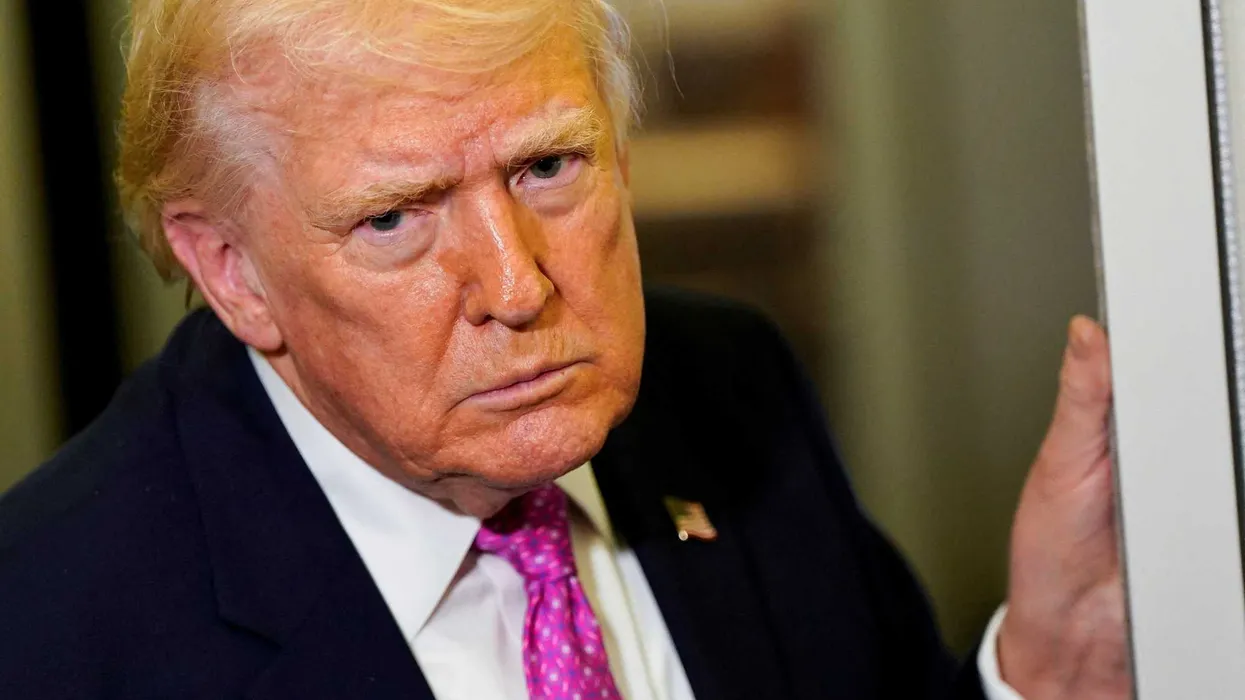
Il presidente Donald Trump ha subito una serie di sconfitte legali su questioni che vanno dai suoi dazi e dai tentativi di limitare il voto per corrispondenza fino al suo sforzo di annullare un verdetto civile che lo ha ritenuto responsabile di aver abusato sessualmente della giornalista E. Jean Carroll. In particolare, diverse di queste decisioni sono arrivate da tribunali dominati da giudici che lui stesso ha nominato.
Secondo commentatori conservatori di The Bulwark, la spiegazione è semplice: Trump e i suoi consiglieri continuano a gestire male principi fondamentali del diritto americano.
Parlando giovedì, Ben Parker di The Bulwark ha indicato l’approccio dell’amministrazione alle citazioni in giudizio rivolte alla stampa come un esempio significativo.
"The government has always had the legal authority to subpoena journalists when there's classified national security information that gets leaked," Parker said. "And traditionally, they don't. There are a few reasons for this. One of them is, it's got some First Amendment implications. The other one is the government would, honestly, most of the time, rather have a good relationship with the press than constantly be hounding them with subpoenas and maybe criminal investigations and stuff. And so usually it's the people who are leaking the information, rather than the journalists, who are at the end of the criminal investigation process."
Parker ha osservato che l’amministrazione Trump ha assunto una posizione insolitamente aggressiva. "The Trump administration decided, 'Nope, we're gonna subpoena not only these journalists, but also apparently their family members.' And so the court said, like, 'Hey, why don't you slow down, take a beat, and try saying please first?' It's not illegal for them to bring these subpoenas. They could try again after they go through some other process, but it is like, 'Hey, guys, slow your roll here a little bit.'"
Sam Stein di The Bulwark ha aggiunto che l’amministrazione avrebbe dovuto "supposed to exhaust other processes to try to investigate the leak of that information before going to the subpoena. They did not." Parker ha osservato che l’amministrazione avrebbe potuto ottenere di più dai propri obiettivi politici se fosse stata semplicemente più metodica.
I due commentatori hanno poi indicato il tentativo fallito dell’amministrazione di ottenere informazioni sugli studenti ebrei dell’University of Pennsylvania come un altro esempio.
"The other one was — again, another thing the administration was forced, after a long legal battle, to quietly retract," Parker told Stein. "You may remember this from the deluge of 2025 Trump administration craziness. They had asked the University of Pennsylvania for a list of all of its Jews, basically. They said — 'I'm not gonna do the voice. I'm not gonna do a German accent, I promise' — they said, 'We're investigating antisemitism. Would you please give us a list of all of your Jewish faculty in the Jewish studies program, all of your Jewish cultural, religious, whatever organizations, and all of the people who belong to those organizations? Please give the government a list of your Jews.' And the school, to its credit, said, 'No.'"
Parker ha continuato: "After a long fight, the administration has said, 'Okay, we are no longer requesting a list of your Jews. Thank you very much.'"
Stein ha osservato che il modello equivale a "a remarkable string of losses." Le sconfitte mettono in evidenza una dinamica che ha sorpreso alcuni sostenitori di Trump: i giudici nominati durante il suo primo mandato, molti dei quali selezionati con l’assistenza del processo di valutazione della Federalist Society, non si sono dimostrati stabilmente deferenti verso le posizioni della sua amministrazione. Parker ha aggiunto che l’amministrazione avrebbe potuto prevedere queste sconfitte se avesse compreso meglio il modo in cui i giuristi conservatori — compresi quelli nominati da Trump — affrontano il diritto.
"A lot of these Trump-appointed judges from his first term are the ones smacking down what he's doing now, because they're sort of pre-Trump ... Federalist Society types," Parker explained. "And they're saying, 'No, you can't just take a state's voter rolls. What the hell are you talking about?'"

