Cresce la protesta dopo il voto degli alleati di Trump per indebolire le norme sulla tutela storica
Punti chiave
- •I membri dell’Advisory Council on Historic Preservation nominati da Trump hanno votato venerdì per avanzare modifiche proposte alla Section 106 del National Historic Preservation Act.
- •L’attuale Section 106 richiede alle agenzie federali di valutare l’impatto dei progetti sui luoghi protetti e di consultare i gruppi interessati, comprese le Tribal Nations.
- •I critici sostengono che le revisioni renderebbero facoltativi i commenti pubblici, restringerebbero la definizione di proprietà storica e sposterebbero più potere decisionale alle agenzie federali.
- •L’American Institute of Architects ha affermato che i cambiamenti potrebbero mettere a maggior rischio circa 1.4 million siti storici, marginalizzando comunità e funzionari della tutela.
- •Difensori della tutela e gruppi per le partnership tribali hanno affermato che la proposta indebolirebbe la consultazione tribale e ridurrebbe le protezioni per i siti indigeni e altri luoghi storici.
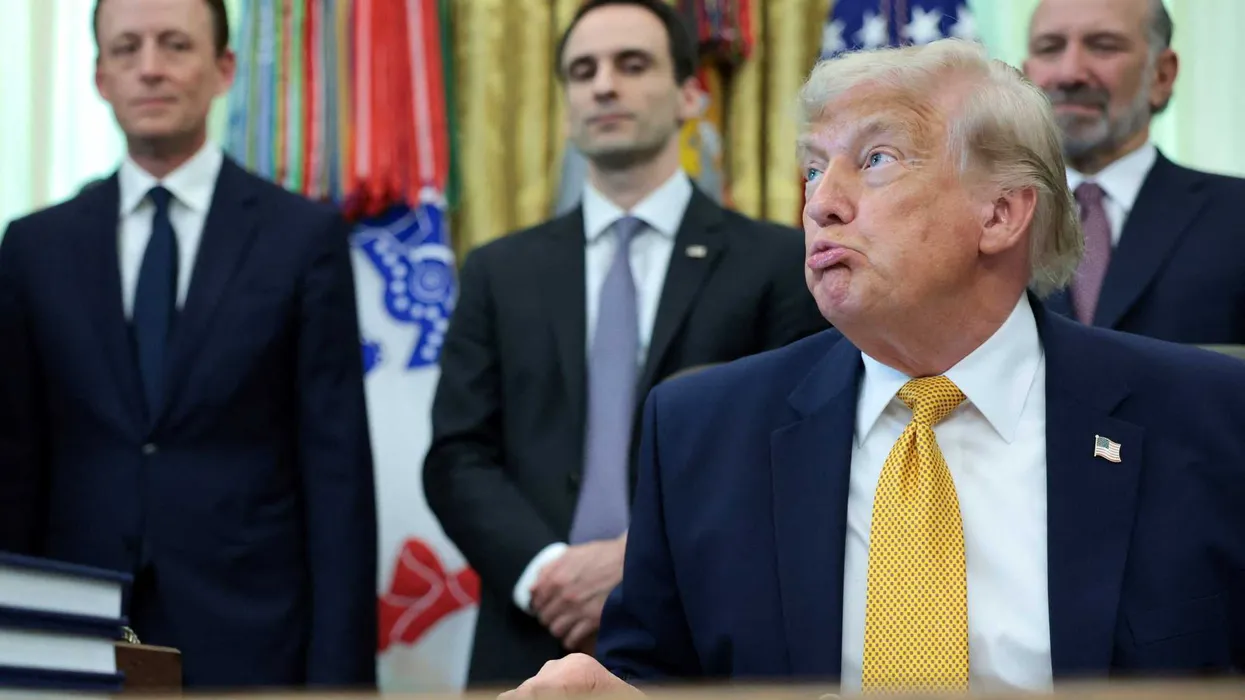
I sostenitori della tutela storica stanno reagendo con indignazione dopo che gli alleati del presidente Donald Trump si sono mossi per indebolire le restrizioni federali sui progetti edilizi realizzati su siti storici.
I membri dell’Advisory Council on Historic Preservation (ACHP) nominati da Trump hanno votato venerdì per andare avanti con norme che indebolirebbero la Section 106 del National Historic Preservation Act, che obbliga il governo federale sia a valutare in che modo i progetti di costruzione potrebbero incidere sui luoghi protetti sia a consultare le persone e i gruppi interessati da tali progetti, comprese le Tribal Nations.
La controversia si colloca al centro di un processo federale di lunga data che dovrebbe rallentare i progetti quel tanto che basta per individuare danni storici o culturali prima dell’inizio dei lavori. Se le revisioni andassero avanti, una parte maggiore di tale esame potrebbe essere gestita all’interno delle agenzie federali, riducendo il ruolo delle voci esterne che i gruppi per la tutela sostengono siano essenziali quando i progetti si intrecciano con luoghi legati all’identità locale, al patrimonio tribale o alla testimonianza materiale della storia americana.
Il deputato Jared Huffman (D-Calif.), membro di rango della House Natural Resources Committee, lunedì ha criticato Trump per aver riempito il consiglio di fedelissimi che sembrano determinati a “tear down the safeguards that protect America’s history so he and his billionaire friends can build whatever they want, wherever they want.”
“Right now, a developer has to stop and listen before paving over a tribal burial ground, a Revolutionary War battlefield, or the church where your grandparents were married,” ha aggiunto Huffman. “Trump’s council wants to end that and cut tribal nations, states, counties, towns, and communities out of that conversation entirely.”
Greg Werkheiser, founding partner dello studio legale Cultural Heritage Partners, ha detto in un’intervista alla NPR pubblicata venerdì che il voto equivaleva a un “attempt to gut historic preservation protections.”
“There are millions of these sites in this country,” ha sottolineato Werkheiser, “and all of them are made less protected by this effort by the Trump administration.”
L’American Institute of Architects (AIA) lunedì ha condannato il voto del consiglio, definendolo “a significant step back for historic preservation, community participation, and the inclusive design processes that serve the public good.”
“At its core, the revisions strip communities of their right to be heard,” ha dichiarato l’AIA. “These revisions place approximately 1.4 million historic sites at greater risk by shifting decisions away from the communities where they are rooted. The revisions make public comment optional rather than mandatory, narrow the definition of historic property, and shift decision-making authority almost entirely to federal agencies—sidelining state historic preservation officers, tribal historic preservation officers, tribes, and local governments.”
Michaela Pavlat, manager del National Parks Conservation Association Indigenous Partnerships Program, ha affermato che il voto di venerdì rappresentava un “calculated, yet unwarranted attack on tribal consultation, historic preservation, and the regulations that have protected the places that tell our country’s diverse stories.”
Gussie Lord, managing attorney per le tribal partnerships presso Earthjustice, ha osservato che il National Historic Preservation Act “has not slowed the pace of new roads and power plants in this country, but it has given Tribes a seat at the table and preserved irreplaceable Indigenous sites from destruction.”
“What happens when entire landscapes are bulldozed without a thought to their cultural and historic importance?” ha chiesto Lord. “No one should support cutting Tribes out of the decision-making process for projects that impact their rights and sacred places.”

