White House Accuses China's Moonshot AI of Covertly Distilling Anthropic's Fable Model to Build Kimi K3
Key Takeaways
- •The White House alleged that Moonshot AI built an internal platform to covertly distill American AI models at scale while actively evading detection.
- •Several AI researchers disputed the distillation claim, noting that only 15 days separated Fable 5's re-release on July 1 from Kimi K3's launch on July 16.
- •Kimi K3 has emerged as one of China's most powerful AI models, deepening Washington's concerns about American frontier models being leveraged to advance China's domestic capabilities.
- •US Treasury Secretary Scott Bessent warned that industrial-scale distillation operations could result in sanctions and Entity List designations for offending Chinese firms.
- •The allegations come amid intensifying US-China technology rivalry, with the United States having imposed multiple rounds of export controls on advanced semiconductors and AI chips.
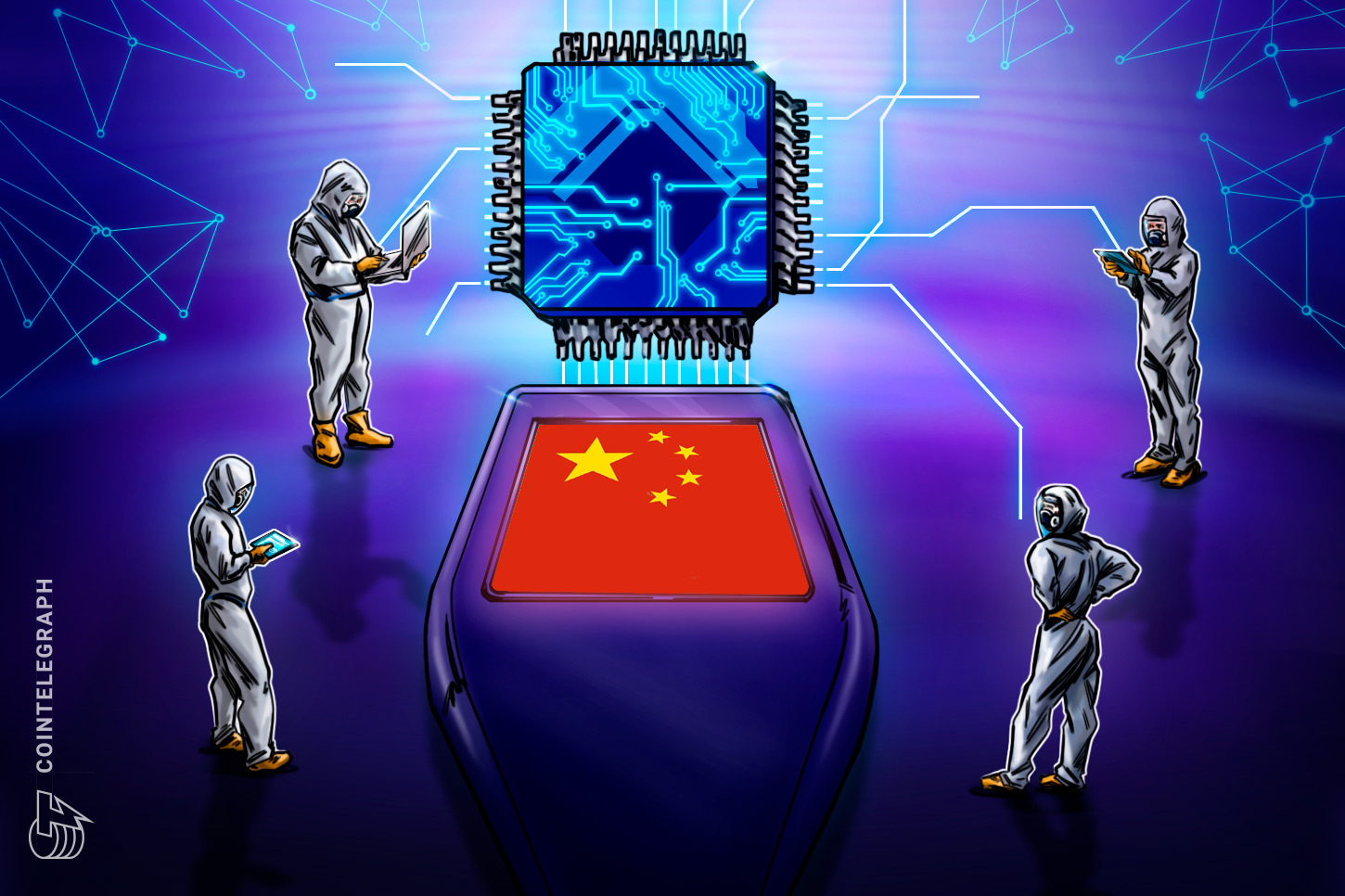
A White House official has accused Chinese artificial intelligence firm Moonshot AI of covertly distilling Anthropic's Fable model to develop Kimi K3, its latest AI model that launched on July 16.
Michael Kratsios, Director of the White House Office of Science and Technology Policy, made the allegations in a post on X on Wednesday. He claimed that Moonshot AI, a Beijing-based startup that has emerged as one of China's most prominent large language model developers, had built an internal platform designed to distill American AI models at scale while actively evading detection. Model distillation is a technique in which a new model is trained using the outputs of an existing, typically more powerful model — allowing the student model to replicate capabilities without direct access to the original model's weights or training data.
"Legitimate AI distillation used to create smaller, more efficient models plays a vital role in this open innovation ecosystem," Kratsios said. "However, large-scale, covert industrial distillation aimed at stealing proprietary U.S. technology and undermining American research is unacceptable."
Kimi K3 has quickly established itself as one of China's most powerful AI models, a development that has deepened Washington's alarm over the possibility that American frontier models are being secretly leveraged to accelerate China's domestic AI capabilities. The allegations come amid an intensifying U.S.-China technology rivalry in which the U.S. has imposed successive rounds of export controls on advanced semiconductors and AI chips aimed at slowing China's AI development.
However, several AI researchers have pushed back against the claim that Anthropic's most recent model served as the training source for Kimi K3. Anthropic's Fable 5 was briefly pulled offline due to U.S. export controls and was not re-released until July 1 — just 15 days before Kimi K3's public launch on July 16 — leaving what critics describe as an implausibly narrow window for a large-scale distillation operation.
"There are only 15 days between fable 5 ban removal and kimi K3 release," said Elie Bakouch, a researcher at AI startup Prime Intellect, in a post on X. "I don't think claiming that K3's performance comes from fable distillation (even if they did it) makes sense technically."
Dean Ball, OpenAI's head of strategic futures, echoed that skepticism on Friday, stating he did not believe the K3 model's performance could be "explained away by distillation or anything like that."
US Treasury Secretary Scott Bessent warned that industrial-scale distillation operations targeting American technology could trigger serious consequences, including sanctions and export restrictions.
"We support open-source AI and the innovation it unlocks. But open source is not open season on American IP," Bessent said. "When PRC firms conduct covert, industrial-scale distillation attacks that cross the line into IP theft, sanctions and Entity List designations will be on the table." The Entity List, maintained by the U.S. Commerce Department's Bureau of Industry and Security, restricts designated foreign entities from receiving U.S. technology and has been a primary tool in Washington's campaign to limit sensitive technology transfers to Chinese firms.

